Best Scanner for Negatives and Slides: Top Picks for Digitizing Old Photos
Digitizing old negatives and slides preserves precious memories while simplifying sharing with family and friends. The following picks are among the best scanners for converting 35mm, 126, 110, and other film formats to high-quality digital JPEGs. Each model offers a built-in LCD display, easy-load inserts, and reliable performance for preserving color and detail. The list focuses on versatility, ease of use, and image quality suitable for archiving or creating digital photo frames.
| Product | Brand | Highlights |
|---|---|---|
| KODAK Slide N SCAN | KODAK | 5″ LCD, 22MP JPEGs, 135/110/126 film, SD card save |
| HP FilmScan | HP | 5″ LCD, 22MP, quick-feed tray, 135/110/126 formats |
| Magnasonic All-in-One 24MP | Magnasonic | 5″ LCD, HDMI output, 24MP, built-in memory |
| Kodak Slide N Scan Max | KODAK | 7″ LCD, 22MP, wide format compatibility |
| DigitPro Film And Slide Scanner | DigitPro | 5″ LCD, 22MP, supports 35mm/110/126 and slides |
The following sections explore each option’s strengths, formats supported, and connectivity to help you pick the right scanner for your archival needs, home use, or gifting purposes.
KODAK Slide N SCAN Film & Slide Scanner

The KODAK Slide N SCAN offers 1422MP digital film scanning capabilities, designed to convert 135, 126, 110 film and 50mm slides into high-quality JPEG files. It supports saving directly to an SD card and features a 5” LCD display for gallery-style previews. Quick-load trays enable continuous scanning, and the package includes a 50mm slide holder plus adapters for multiple film formats. This model emphasizes straightforward operation and reliable digitization with a traditional slide-scanning workflow.
Key features include a large viewing screen for on-device edits, compatibility with both color and black-and-white negatives, and handy USB and HDMI connectivity for projection or external viewing. While SD cards are not included, the option to connect to a TV or computer makes sharing family memories convenient. It’s a solid choice for households with a mix of old negatives and mounted slides, seeking a user-friendly digitization solution.
HP FilmScan Touch Screen Film & Slide Scanner
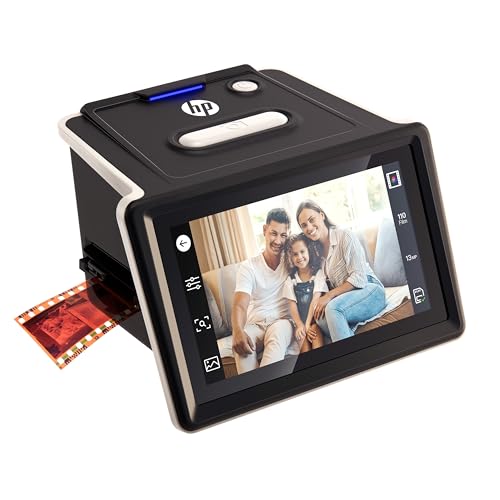
HP’s FilmScan combines a responsive 5” touch screen with fast scan workflows for negatives and slides across 135, 110, and 126 formats. The scanner emphasizes a gallery display and easy saving to SD cards or a computer, making it suitable for quick archiving sessions or family slideshows. The user interface is designed for intuitive operation, reducing learning curves for beginners while still offering solid image previews before saving.
This model’s strengths lie in its touch-friendly controls, reliable previews, and straightforward compatibility with both color and black-and-white film. It’s a practical pick for households prioritizing ease of use and regular scanning of a variety of film sizes without needing extra software or complex settings. Connectivity to a PC or external display completes a simple, plug-and-play experience.
Magnasonic All-in-One 24MP Film Scanner
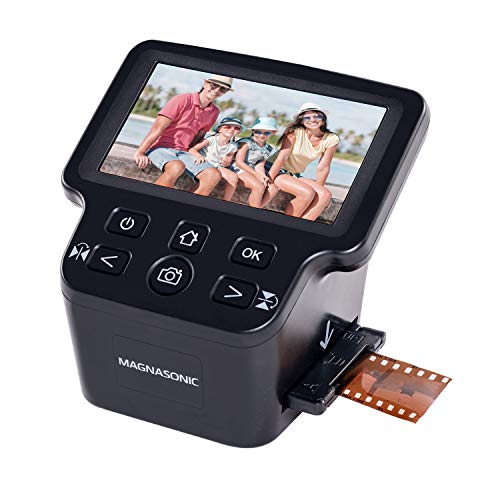
The Magnasonic FS71 all-in-one scanner offers 24MP resolution for 35mm, 126, 110, and Super 8 film, plus 135/126/110 slides. A built-in 5″ LCD lets users view and edit directly on the device, with HDMI output for display on a TV or monitor. The scanner includes built-in memory and an SD card slot for extended storage, enabling a convenient, self-contained digitization workflow without requiring a computer. It’s well-suited for users who want a robust, stand-alone solution for large photo collections.
With multiple viewing options and a compact form factor, this model balances image quality with practical handling. The HDMI option helps when presenting slides in a living room setting or during family gatherings. Its all-in-one design makes it a versatile option for hobbyists and light archivists who appreciate a straightforward scanning process with direct playback and display.
Kodak Slide N Scan Max Digital Film & Slide Scanner

Kodak’s Slide N Scan Max combines high-contrast 13/22MP scanning for color and black-and-white negatives and a wide array of slides. It provides a 7” LCD display with an expansive viewing area, ideal for reviewing and editing before saving to an SD card (not included). The unit includes 50mm slide holders and adapters for 135, 110, and 126 formats, with a complete set of cables for USB and HDMI connections. It emphasizes speed and convenience for households with diverse film formats.
As with other Kodak offerings, this model targets users who want a reliable, easy-scan workflow with strong color reproduction. Its larger display is a notable advantage for extended sessions and group previews, especially when sharing memories with friends or displaying them as digital art frames around the home or office.
DigitPro Film And Slide Scanner

The DigitPro model focuses on versatile support for 35mm, 126, 110 negatives, and 50mm slides, with 22MP digital output and a 5” LCD for real-time previews. A built-in 128MB memory plus external SD card support (up to 64GB) provides flexible storage options for scanned images. It markets itself as an all-in-one solution designed for easy digitization and sharing, with one-touch scanning and straightforward color adjustments during the save process.
DigitPro aims to offer a balanced feature set for users who want a compact scanner that handles a broad range of formats without requiring additional equipment. The inclusion of a modest internal memory makes it suitable for quick sessions, while SD expansion supports longer archival projects. The device’s scanning speed and simplicity suit family photo projects or educational demonstrations at home or in small classrooms.
Buying Guide: How To Choose The Right Film And Slide Scanner
When selecting a scanner for negatives and slides, consider format compatibility, resolution, and versatility. Key factors include:
- Supported formats: Ensure the scanner handles 35mm, 126, 110, and, if needed, Super 8 or 8mm film, plus various slide sizes. A universal insert system saves time when switching formats.
- Resolution: Higher megapixel counts yield sharper digital copies, especially for older film with fine grain. Look for scanners offering at least 14–22MP equivalents for noticeable clarity.
- Display and editing: A large LCD display facilitates previews and light edits before saving. Touchscreen controls can simplify operation, especially for beginners.
- Storage options: SD card support and built-in memory determine how many images you can scan without a computer. External storage flexibility is beneficial for large archives.
- Connectivity and sharing: USB, HDMI, and computer compatibility enable easy transfer to PCs, TVs, or home networks for sharing or creating digital frames.
- Ease of use: Quick-load trays and anti-jamming features help maintain workflow efficiency, especially when processing long reels or large slide collections.
- Color accuracy and handling: Look for scanners with good color fidelity and tone preservation, particularly if color restoration is part of your preservation plan.
From a value perspective, consider whether you prefer a built-in display for standalone operation or if you’re comfortable connecting to a computer or TV for viewing. If you primarily digitize memories for family sharing, models with simple one-touch scanning and straightforward editing tend to provide the fastest return on effort. For archival projects, prioritize higher resolution, wider format support, and reliable color management to ensure future usability of the digital files.