Best Camera Lens Options for Sports Photography in 2026
For fast-paced action, a versatile telephoto or super-telephoto lens is essential. This guide highlights five lenses that balance reach, speed, and image quality for sports photographers across Canon systems and beyond. Each option is described by who it’s best for, what makes it stand out, and a practical limitation to consider.
| Product | Best For | Key Benefit |
|---|---|---|
| Canon RF70-200mm F2.8 L IS USM | Pro and enthusiast sports shooters on Canon mirrorless | Bright f/2.8, fast AF, strong stabilization |
| Canon RF100-400mm F5.6-8 IS USM | Compact sports setup with long reach | Lightweight for a 400mm zoom, decent IS |
| Canon EF 75-300mm f/4-5.6 III | Budget-friendly starter telephoto | Affordable reach for APS-C or full-frame with EF mount |
| Canon EF 75-300mm f/4-5.6 III Renewed | Value-seeking shooters open to renewed gear | Similar reach at lower price point |
| JINTU 420-800mm MF Telephoto | Extreme reach for wildlife and stadiums | Very long reach in a compact body |
Canon RF70-200mm F2.8 L IS USM

Brand: Canon
Features: High image quality and bright f/2.8 aperture telephoto zoom RF L lens., Compact and lightweight., Optical image stabilization with up to 5 Stops of shake correction
Best for: Professional and advanced hobbyists who shoot indoor arenas or lower-light outdoor games. The fast f/2.8 aperture helps freeze action with a shorter shutter, enabling sharper subjects when lighting is mixed or suboptimal.
Caution: This lens is a premium option with a larger price tag and weight; its benefits are most evident with fast action and lower ISO settings.
Canon RF100-400mm F5.6-8 IS USM

Brand: Canon
Features: Compact, lightweight and high-image quality RF tele zoom lens, with a versatile zoom range of 100-400mm, Optical Image Stabilizer with up to 5.5 Stops of shake correction, Up to 6 stops with IBIS
Best for: Shooters who need long reach without carrying heavy gear. Ideal for outdoor games, field sports, and candid action from the sidelines.
Caution: The variable maximum aperture at the long end can require higher ISO in certain lighting or fast shutter scenarios.
Canon EF 75-300mm f/4-5.6 III Telephoto Zoom

Brand: Canon
Features: 75-300 millimeter telephoto zoom lens with f 4-5.6 maximum aperture, Improved mechanism for smoother zooming, 2.8-inch diameter by 4.8 inches long, 16.8 ounces, 1-year warranty
Best for: Beginners and budget-conscious shooters on Canon SLR systems who want an affordable telephoto option for sports on a basic setup.
Caution: Autofocus and wide-open performance are modest compared to higher-end telephotos; consider lighting and distance constraints.
Canon EF 75-300mm f/4-5.6 III (Black)

Brand: Canon
Features: Focal Length & Maximum Aperture 75-300mm 1:4-5.6, Lens Construction 13 elements in 9 groups, Diagonal Angle of View 32° 11′ – 8° 15′
Best for: Those seeking a classic entry-level telephoto on a traditional Canon EF mount. Useful for extending reach during outdoor sports when light is adequate.
Caution: Older design may be bulkier and slower to focus in very low light or at longer focal lengths.
JINTU 420-800mm MF Telephoto
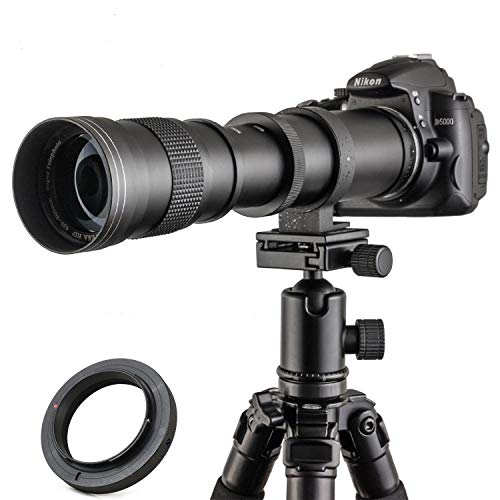
Brand: JINTU
Features: 420-800mm manual focus telephoto, solid metal construction, 1.8 lb weight, includes free Canon adapter, multi-coated glass for sharp images
Best for: Situations where extreme reach is needed to capture distant action on large fields or stadiums. Suitable for wildlife and sports at a distance when aut focus isn’t required.
Caution: Manual focus means slower setup for fast-moving action; consider focus planning and tripod stability.
Buying Guide for Sports Photography Lenses
- Focal length and reach: For field sports, 100–400mm is versatile on APS-C bodies; 200–600mm or longer is preferred for distant action. The RF70-200mm and 100-400mm options cover many common scenarios.
- Aperture and speed: A brighter lens (f/2.8–f/4) helps freeze action and maintain faster shutter speeds in variable light. Lighter zooms with slower apertures may require higher ISO.
- Weight and handling: Longer focal lengths add weight and fatigue. Consider a balanced setup with a monopod or monopod-capable head for football, baseball, or soccer.
- Autofocus and stabilization: Fast, reliable AF and IS/IBIS enhance performance in moving scenes. Lenses with built-in stabilization help during panning and handheld shots.
- Compatibility: Choose lenses aligned with your camera system (Canon EF, Canon RF, or third-party options). Adapters can extend compatibility but may affect AF speed.
- Budget and value: Entry-level telephotos provide essential reach at lower cost, while professional super-telephotos deliver fast AF and rugged build for frequent use under stadium lighting.
Frequently Asked Questions
- What focal length is best for basketball photographers? Generally, 70–200mm on indoor courts and 100–400mm for wider courts or when shooting from the stands.
- Do I need a fast aperture for outdoor sports? Yes, a brighter lens (f/2.8–f/4) helps maintain faster shutter speeds in variable light and reduces motion blur.
- Is image stabilization important? Yes, especially for longer focal lengths and when panning or shooting from a distance.
- Should I buy a used or renewed lens? Renewed lenses offer good value but check return policies and condition details before purchasing.
- What camera type do these lenses fit? Most listed options fit Canon EF or RF mount systems; verify your camera’s mount and compatibility with any adapters.
- Is there a downside to super-telephotos? They can be heavier, more expensive, and slower to focus in extreme low light; weigh action needs against weight and budget.