Best USB Flash Drives Photographers Trust for Quick, Reliable File Transfers
Photographers need fast, dependable USB flash drives to transfer large RAW and 4K video files from cameras to backups and editing workstations. This guide highlights five top choices that balance speed, capacity, durability, and portability. Each option includes practical strengths for photographers—from high read/write speeds to rugged design and easy organization. Whether you’re backing up during shoots or delivering client galleries, these drives are designed to keep your workflow smooth and secure.
| Product | Brand | Capacity | Key Strength |
|---|---|---|---|
| SanDisk 128GB Ultra Flair USB 3.0 | SanDisk | 128 GB | High-speed transfers, reliable for on-site backups |
| FEWINA 64GB Wood USB 3.0 | FEWINA | 64 GB | Elegant wooden design with protective box |
| SanDisk 512GB Ultra USB 3.0 | SanDisk | 512 GB | Large capacity for extensive shoots |
| Amazon Basics USB Dual-Port 256GB | Amazon Basics | 256 GB | Dual USB-C and USB-A for versatile devices |
| FEWINA 32GB Wood USB 3.0 | FEWINA | 32 GB | Compact, stylish wood design with magnetic cap |
SanDisk 128GB Ultra Flair USB 3.0 Flash Drive

SanDisk’s Ultra Flair 128GB model combines solid speed with broad compatibility. It offers USB 3.0 read speeds up to 150 MB/s and write speeds that improve on many older USB standards, supporting rapid transfers of RAW files and short video clips. The compact form factor makes it easy to carry on location shoots, while the drive’s performance is suitable for quick archiving and on-site previews. The product remains backward compatible with USB 2.0, ensuring access across varied devices.
Key features include high-speed performance (up to 150 MB/s read), 1 MB = 1,000,000 bytes, and real-world transfer claims such as moving full-length videos efficiently. As with any USB 3.0 device, performance depends on host hardware, file attributes, and usage conditions. This drive is a practical choice for photographers who value fast, consistent offload from camera cards to a backup or editing workstation.
FEWINA 64GB Wood USB 3.0 Flash Drive

This FEWINA wooden USB drive blends natural design with practical speed. The 64GB capacity is suitable for on-location backups or client deliverables that don’t require enormous storage. The USB 3.0 interface offers faster read/write performance than USB 2.0, with reported read speeds up to 100 MB/s and write speeds from 20 to 35 MB/s. A magnet-secured cap and a wooden box provide protection and a refined presentation, making it a tasteful gift option for clients or colleagues.
Photographers can appreciate the combination of form and function here. The wood construction adds durability against minor bumps, while the included box and engraving potential offer a personal touch for client handoffs. While not the largest capacity in this guide, the 64GB model is a compact, stylish option for backups and handouts.
SanDisk 512GB Ultra USB 3.0 Flash Drive
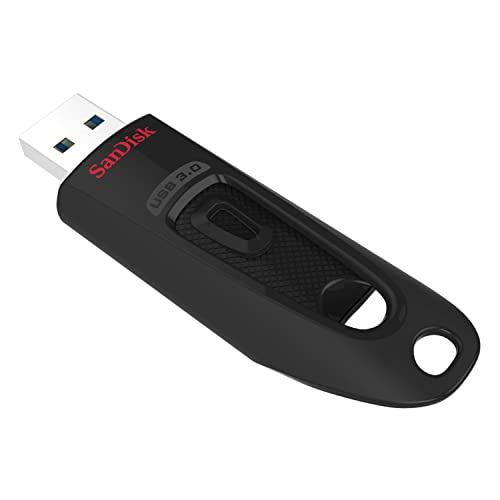
The 512GB Ultra from SanDisk provides ample space for high-volume shoots, allowing photographers to offload extended sessions without swapping drives. With USB 3.0 speeds, it delivers up to 130 MB/s read performance and generally higher write speeds, though actual results depend on host devices and file attributes. The drive is backward compatible with USB 2.0, enabling broad compatibility across cameras, laptops, and desktops. It also supports secure file encryption and password protection, enhancing data security for client work and personal projects.
For professionals who routinely shoot RAW files or 4K video, the 512GB capacity reduces the need to shuttle multiple drives. The higher capacity is a strong match for event photographers, studio shoots, and travel photography where large media libraries accumulate quickly.
Amazon Basics USB C/Dual-Port 256GB

Amazon Basics offers a versatile dual-port design that supports both USB-C and USB-A connections, improving compatibility with modern laptops and older desktops. The 256GB capacity is suitable for photographers who manage large RAW libraries and need room to store multiple shoots before backing up to a cloud or external drive. The default exFAT format helps with cross-device interoperability, and the drive is designed for efficient power usage during portable use. It’s a practical option for those who work across multiple devices and ecosystems.
Key considerations include drive durability, read/write performance, and how easily you can move data between your camera, laptop, and backup drive. The dual-port functionality adds flexibility when working with a range of devices in the field, studio, or office, making it a strong all-around choice for photographers who value compatibility and capacity.
FEWINA 32GB Wood USB 3.0
The 32GB FEWINA wood drive offers a compact, stylish backup option with a magnetic cap for secure closure. While smaller in capacity, its USB 3.0 interface supports quick transfers for smaller projects or on-the-go copy-offs from a camera card. The magnetic cap and wood case provide reliable protection and add a premium aesthetic, which can be appreciated by clients or colleagues looking for a refined presentation during handoffs.
Use cases include quick on-site backups of select shoots, portfolio updates, or delivering smaller photo sets to clients. For photographers who frequently travel light or need a supplementary drive, the 32GB FEWINA is a convenient companion to a larger high-capacity drive.
Buying Guide: Key Considerations For Photographers
- Capacity vs. workflow: Balance capacity with your typical file sizes. RAW files and 4K video require more space; consider a mix of high-capacity drives for backups and smaller drives for on-the-go curation.
- Transfer speed: Look for USB 3.0/3.1/3.2 compatibility and published read/write speeds that match your hardware. Real-world performance varies by host device and file type; prioritize higher sustained write speeds for faster offloads.
- Reliability and endurance: Choose drives with robust build quality, good warranty terms, and features like encryption for sensitive client work. Consider drives with proven durability for travel and field use.
- Durability and design: For on-location work, consider rugged or protective designs (e.g., wooden boxes with magnetic caps) that guard against drops and dust while offering convenient handling.
- Compatibility: Ensure the drive supports both USB-C and USB-A if your devices span modern laptops and older desktops. ExFAT compatibility helps cross-platform use.
- Security: If client confidentiality matters, select drives offering password protection or encryption. This reduces risk when transporting sensitive imagery.
- Organization and backup strategy: Pair high-capacity drives for master backups with portable drives for client delivery. Maintain a consistent naming and folder structure to streamline workflows.
- Portability vs. capacity: Smaller drives are easier to carry on shoots; larger drives reduce the number of devices you must manage during long sessions.
In selecting the best USB flash drive for photography, weigh speed, capacity, durability, and compatibility against your typical shooting scenarios. The options listed provide a spectrum from premium wooden designs to high-capacity, security-enabled drives, enabling you to tailor your gear to your workflow and client requirements.