Best USB Cameras for Telescopes: Top Picks for Astrophotography
The following USB camera options are among the most suitable for telescope enthusiasts seeking to start or enhance astrophotography. Each product offers plug-and-play usability, real-time viewing, and compatibility with common software. The selections cover a range of budgets and optical goals—from lunar and planetary imaging to detailed deep-sky sessions—so you can choose a camera that matches your equipment and skill level.
| Product | Brand | Key Benefit |
|---|---|---|
| SV105 Telescope Camera | SVBONY | Beginner-friendly, quick video capture |
| SV305C Pro Telescope Camera | SVBONY | High sensitivity with USB 3.0 |
| SV205 Astrophotography Camera | SVBONY | Low-light clarity and real-time viewing |
| 4K Wireless Telescope Camera (Telonixium) | Telonixium | Wireless viewing with a built-in screen |
| 64GB Digital Eyepiece Telescope Camera | Unalace | WiFi control and 2K video |
SV105 Telescope Camera By SVBONY
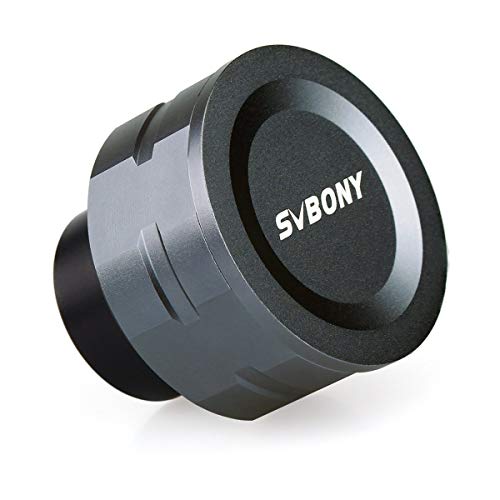
The SV105 is positioned as a straightforward entry point for astronomical imaging. It serves as an electronic eyepiece suitable for beginners who want to explore astrophotography, especially lunar and planetary targets. Users can record quick videos by simply pointing at the Moon or a bright planet and transferring real-time views to a laptop or PC. The device emphasizes plug-and-play connectivity with no driver installation required for basic use. For Windows, SharpCap Capture is recommended; Linux users may opt for AstroDMx Capture, and Android support exists via USB Camera software. This camera provides clear planetary views and approachable workflow for aspiring stargazers.
ELP 4K USB HDMI Camera With Zoom

This 4K USB/HDMI camera features a 5-50mm variable focus lens with 10x zoom capabilities, offering flexible distance shooting and adjustable brightness and clarity by rotating the lens. It supports high-resolution output up to 3840×2160 at 30fps, making it suitable for both planetary and terrestrial viewing. The unit is designed for easy integration with notebook or desktop setups via USB-C power and simultaneous HDMI display, appealing to users who want a standalone, high-resolution eyepiece alternative or companion to their telescope system.
SVBONY SV305C Pro Telescope Camera

The SV305C Pro represents a higher-performance option within the SVBONY line, featuring a USB 3.0 interface, 2MP IMX662 sensor, and a 1.25″ format. It emphasizes ultra-high sensitivity and low readout noise to capture clearer planetary details, particularly in low-light conditions. With a high frame rate, the camera can deliver smooth images at 1920×1080 resolution and up to 107 FPS, enabling crisp, real-time planetary viewing and video capture for enthusiasts seeking sharper outcomes than entry-level models.
SVBONY SV205 Astrophotography Camera
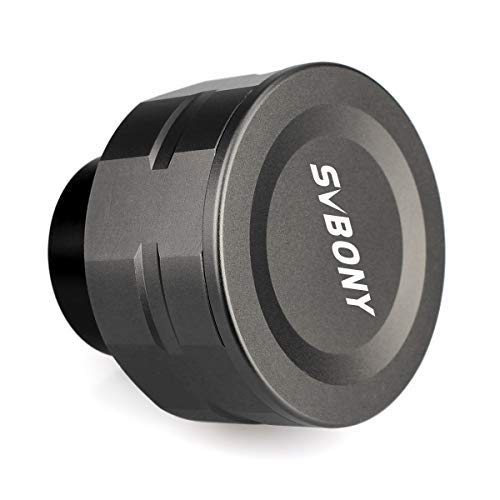
The SV205 is designed for real-time observation with a focus on low-light performance. It supports 2K/1080p video at up to 30FPS and offers an MJPG stream or YUV uncompressed options, enabling flexible post-processing. The camera integrates easily with a computer to share the view of the Moon, planets, and terrestrial targets. Its dark-light compensation technology helps maintain image clarity in dim skies, making it a practical choice for beginners and hobbyists who want reliable performance during night sessions.
64GB Digital Eyepiece Telescope Camera (Unalace)

This Unalace device combines a 2K video capability with a 16MP still image option and built-in WiFi for remote viewing and control. It fits eyepieces with 25–50mm diameters and includes a 25–50mm eyepiece adapter. The unit offers a built-in WiFi hotspot, allowing direct smartphone connection for live streaming and settings adjustments without requiring internet access, which is convenient for field observations or outreach sessions with minimal setup.
Buying Guide: Key Purchase Considerations For USB Telescope Cameras
- Sensor and resolution: Look for cameras with higher sensor sensitivity (e.g., IMX-series sensors) and resolutions that fit your telescope’s optical quality. Higher frame rates help capture fleeting moments of planetary rotation.
- Interface and speed: USB 2.0 is common in entry-level cameras; USB 3.0 or higher offers faster data transfer, reducing bottlenecks during live viewing or video capture.
- Software compatibility: Ensure compatibility with widely used capture software such as SharpCap, AstroDMx Capture, or other platform-specific tools. Consider Linux and Android support if you use those ecosystems.
- Ease of use: Plug-and-play models are ideal for beginners. Some cameras offer driver-free operation with optional software for enhanced features.
- Field usability: Weight, mount compatibility (1.25″ vs 2″), dual-use with terrestrial targets, and built-in features like remote view via WiFi can influence practicality for field use.
- Low-light performance: Cameras with anti-noise performance and effective dark-frame or short-exposure capabilities help maintain clarity during dim-sky imaging.
- Creativity vs. automation: If you plan time-lapse or automated sessions, prioritize models with robust app controls and stable wireless connections for consistent runs.
- Warranty and support: Confirm manufacturer support and accessible troubleshooting resources, especially for beginners exploring astrophotography.
- Price-to-performance balance: For newcomers, entry-level models with straightforward workflows may deliver the best upfront value, while advanced users may benefit from higher sensitivity and higher frame rates.
When selecting a USB camera for a telescope, consider your target objects (Moon and planets versus faint deep-sky targets), your current telescope setup, and your preferred workflow. This combination of factors helps identify the best fit—balancing image quality, ease of use, and future expansion as skills grow.