Best Small Camera Stabilizer: Handy Gimbals for Smooth Shots
When steady, cinematic footage is essential but space and budget are limited, a compact camera stabilizer can be a game changer. This guide showcases compact stabilizers ranging from lightweight smartphone gimbals to versatile handheld grips that expand your setup. Each option below is designed to reduce shake, improve balance, and help you capture smooth video whether you’re traveling, vlogging, or filming on location.
The following quick-reference table highlights five recommended small camera stabilizers, covering purpose-built gimbals and stabilizing grips that fit a variety of cameras and phones. Use the table to compare compatibility, weight, and standout features at a glance.
| Product | Brand | Key Use | Notable Feature |
|---|---|---|---|
| DJI RS 3 Mini | DJI | All-around handheld gimbal for cameras | 2 kg payload capacity and vertical shooting |
| HOHEM iSteady X3 SE | hohem | Phone stabilization for travel and vlogging | Detachable remote control, compact foldable design |
| COMITOK L7C Pro | COMITOK | Smartphone stabilization with AI tracking | 9.0 AI tracking and foldable portability |
| GENS Handheld Stabilizer | GENS | Universal grip for DSLRs and mirrorless | Foldable design with extra mounting holes |
| ChromLives Camera Handle Grip | ChromLives | Low-cost handheld stabilization | Wide platform, 1/4″-20 compatible |
DJI RS 3 Mini: 3-Axis Gimbal Stabilizer
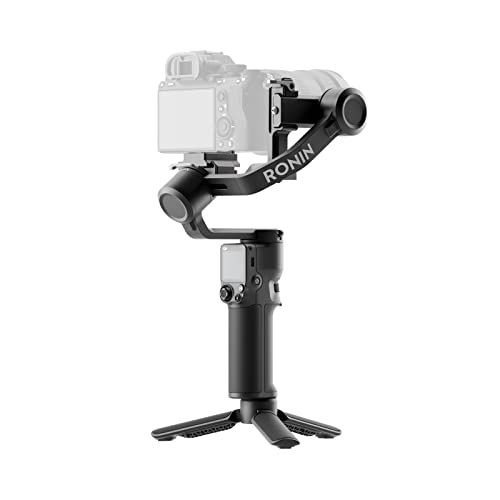
The DJI RS 3 Mini is a compact, professional-grade 3-axis gimbal designed for a wide range of cameras, including Canon, Sony, Panasonic, Nikon, and Fujifilm setups. It weighs 795 g (1.75 lb), making it easy to carry for extended shoots. A strong high-torque motor system supports up to 2 kg (4.4 lb) payload, enabling versatile lens choices while maintaining stable footage in dynamic conditions. Native vertical shooting simplifies portrait-oriented capture, ideal for social media and quick-turnaround projects.
Key considerations include its balance between portability and payload capability. For travelers and content creators who need robust stabilization without a heavy rig, the RS 3 Mini offers strong performance with travel-friendly form. Bluetooth shutter control adds convenience, letting you trigger cameras remotely even when the gimbal is out of frame. Potential trade-offs involve setup complexity for first-time users and ensuring your specific camera/lens pairing stays within the 2 kg limit.
hohem iSteady X3 SE: Portable 3-Axis Phone Gimbal

The hohem iSteady X3 SE is a foldable 3-axis gimbal tailored for smartphones, boasting a detachable remote control and a compact footprint. Its upgraded stabilization technology aims to deliver ultra-smooth footage even during movement, making it suitable for travel vlogging, family events, and outdoor adventures. The detachable remote expands creative options for selfies and group shots from a safe distance, while the foldable design supports portability for on-the-go filming.
Consider how the weight and balance of your phone affect performance. While the X3 SE is optimized for phone use, larger devices or case setups may influence balance and power draw. The remote’s readability and connection range can also impact usability in crowded environments. Overall, this model offers strong value for casual creators prioritizing portability with capable stabilization.
COMITOK L7C Pro: AI-Tracking Smartphone Gimbal

The COMITOK L7C Pro offers a 3-axis stabilization system with 9.0 AI tracking through its companion app. This enables hands-free shooting with face or object tracking, supporting dynamic compositions without manual adjustments. The gimbal is lightweight, folding to a compact size that travels easily and expands for use in more expansive setups. Its folded dimensions and light weight are designed for quick setup and ready-to-go shooting in varied environments.
Potential downsides include reliance on app performance for tracking accuracy and potential learning curve to leverage the AI features effectively. When used properly, the L7C Pro enables smoother follow shots and centered framing, which is especially helpful for solo creators who want hands-free operation during shoots or vlogging sessions.
GENS Handheld Stabilizer: Universal U-Shaped Grip
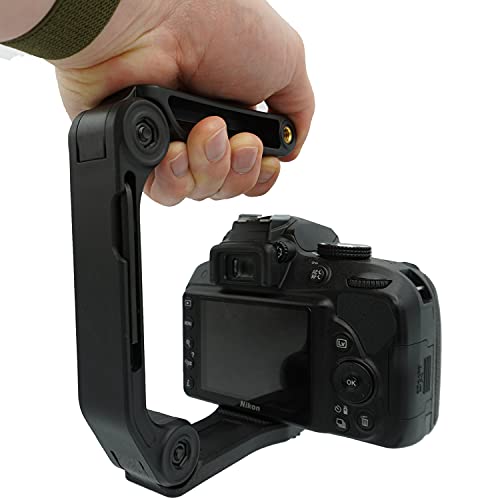
The GENS handheld stabilizer uses a universal U-shaped grip that supports DSLRs, mirrorless cameras, and camcorders with a 1/4″-20 thread. Its adjustable base plate allows precise camera positioning, and the textured pad minimizes camera shake while protecting the device. The foldable design enhances portability and storage, making it a practical option for action shooters and creators who need a sturdy grip for low-angle shots or on-the-go filming.
Consider compatibility with your existing gear in terms of weight distribution and mounting interfaces. While the GENS grip provides stability and flexibility, heavier camera setups may require additional counterbalance or support. For basic setups or as an accessory to reduce hand fatigue, this stabilizer is a simple, affordable choice.
ChromLives Camera Handle Grip: 1/4″-20 Universal Mount

The ChromLives camera handle grip provides a universal 1/4″-20 mounting option, enabling quick attachment to DSLRs, cameras, smartphones, and action cameras. Its broader platform aims to improve stability and reduce finger fatigue during longer shoots, while compatibility with various devices encourages versatile use. This lightweight grip is a budget-friendly option for hobbyists and creators who want a simple stabilization aid without investing in a full gimbal.
As with budget grips, there is a trade-off between simplicity and precision. While it improves stability, it does not offer active stabilization like a motorized gimbal. For basic tracking shots, panning, or casual vlogging, this handle grip provides practical value and quick setup.
Buying Guide: Key Purchase Considerations
When selecting a small camera stabilizer, consider the following factors to match your shooting style and gear:
- Payload and device compatibility: Ensure the stabilizer can support your camera or phone, including lenses and accessories. Heavier setups require higher payload capacity and robust motors.
- Portability and weight: If you travel often or shoot on the go, prioritize lightweight, foldable designs that fit in a backpack or carry-on.
- Stabilization type: Gimbals provide active motorized stabilization for dynamic movement; grips and handles offer passive stabilization and improved ergonomics. Decide which aligns with your shooting goals.
- Battery life and charging: For motorized gimbals, check runtime and ease of charging. Some models support USB charging or external power banks.
- Controls and connectivity: Bluetooth, app-based control, and remotes can affect your workflow. Consider how you’ll operate the gimbal during shoots or selfies.
- Ease of setup and balance: Beginners may prefer models with quick setup and intuitive balancing. More advanced users might accept a steeper learning curve for greater control.
- Accessories and expandability: Look for extra mounting points, cold shoe mounts, and compatibility with tripods or monopods to grow your setup over time.
- Price and value: Compare feature sets against your budget. While professional-grade stabilizers cost more, entry-level options offer solid stabilization for hobbyists and beginners.
Depth of use varies by product type. For travel and vlogging, a compact mobile gimbal with AI tracking or detachable remote control can capture steady footage without a bulky rig. For DSLR or mirrorless setups, a universal grip or foldable stabilizer provides improved handling and reduced shake, especially in low-angle or high-motion scenes. A careful balance between stabilization capability, weight, and ease-of-use will guide you to the right small stabilizer for your needs.