Best Single-Use Camera Film Developing: Quick Guide to Easy Analog Photography
Single-use cameras remain a simple, reliable way to capture moments on traditional 35mm film. This guide highlights top options that pair well with quick development services, letting you enjoy classic photos without technical hurdles. Below you’ll find five solid choices, each with distinct strengths—from vibrant color and easy handling to reliable flash for indoor shots.
| Product | Why It’s Great |
|---|---|
| Kodak Funsaver One Time Use Film Camera (2-pack) — Kodak | Value pack, bright Kodak 800 speed film, vibrant color |
| KODAK FunSaver 35mm Single Use Camera | Classic, user-friendly, compact design |
| Fujifilm QuickSnap Flash 400 One-Time-Use | ISO 400, built-in flash, reliable under varied lighting |
| Ilford XP2 Super Single Use Camera | Black-and-white with built-in flash for versatile moods |
| RETO Retocolor Prism 400 35mm | Color negative with built-in flash, 27 exposures |
Kodak Funsaver One Time Use Film Camera (2-pack) — Kodak

Designed for convenience, the Kodak Funsaver two-pack bundles two single-use cameras, making it ideal for events, travel, or family outings. Each unit comes preloaded with 800 speed film and 27 exposures, delivering bright colors and sharp detail in everyday light. The cameras are straightforward to operate: point, shoot, and send for development without worrying about settings. The bundled option is well-suited for beginners or casual shooters who want multiple ready-to-go chances at capturing memories. When it comes time to develop, local labs or online services commonly accept 27-exposure color film for quick turnaround.
Key considerations:
– 27-exposure, ISO 800 color film for vibrant results in varied lighting
– Simple, no-fuss design aimed at quick capture
– Two-pack offers flexibility for multiple occasions
KODAK FunSaver 35mm Single Use Camera
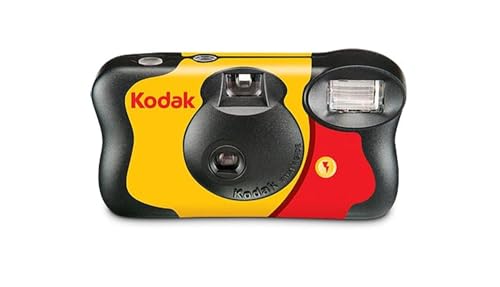
The classic FunSaver camera from Kodak is a compact, lean option for straightforward photos. This single-use camera is tailored for everyday moments and light travel, offering dependable results without the complexity of adjusting exposure or focus. While the exact film type isn’t always listed, Kodak’s FunSaver line is designed for reliable color reproduction and ease of development, making it a popular choice for schools, parties, and quick-shot memories. It balances portability with sufficient photo quality for most consumer labs.
Key considerations:
– 35mm format, simple point-and-shoot operation
– Compact design for travel and events
– Reliable color film experiences suitable for standard development services
Fujifilm QuickSnap Flash 400 One-Time-Use Camera
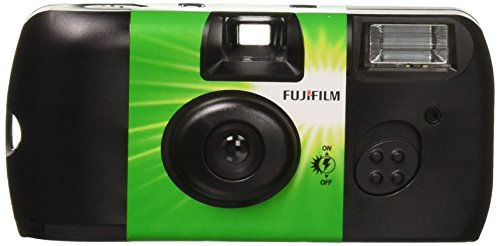
The Fujifilm QuickSnap Flash 400 is a reliable option for photos in mixed lighting. Pre-loaded with ISO 400 film and 27 exposures, this disposable camera includes a built-in flash with a practical range, increasing the odds of well-exposed indoor and outdoor shots. Its straightforward use makes it a favorite for events, family outings, and quick photo sessions where you want predictable results. QuickSnap’s compact form factor and consistent performance help simplify the process from capture to development.
Key considerations:
– ISO 400 film for versatile lighting performance
– Integrated flash supports indoor and dusk photography
– Easy to use with dependable, consistent results
Ilford XP2 Super Single Use Camera with Flash

Ilford XP2 Super offers a unique black-and-white experience using color-compatible processing labs. With built-in flash, this disposable camera is designed to handle a range of lighting conditions—from sunny streets to dim interiors. XP2 Super uses a dedicated ISO 400 film and is compatible with standard C-41 development, enabling simple processing at many labs. The monochrome look provides a timeless, documentary-style aesthetic, making it a strong choice for street photography or journaling moments with a classic feel.
Key considerations:
– Black-and-white XP2 film processed via C-41 labs
– Built-in flash for versatile lighting
– ISO 400 provides a balance of grain and clarity
RETO Retocolor Prism 400 35mm Disposable Camera

Retocolor Prism is a color-packed disposable camera with 27 exposures on ISO 400 film. It includes a built-in flash for flexible shooting from daylight to evening scenes, and the focus-free lens is designed to deliver ready-to-develop results without manual adjustments. Its straightforward operation makes it suitable for family events, quick travel snapshots, and classrooms where simplicity matters. The color-negative film offers a traditional warm color tone that many film enthusiasts still appreciate.
Key considerations:
– ISO 400 color film with built-in flash
– Focus-free, beginner-friendly design
– Simple development workflow and dependable color results
Buying Guide: Key Purchase Considerations for Single-Use Film Cameras
- Film type and ISO: Higher ISO (like 800) suits low light but can be grainier; ISO 400 is versatile for day and indoor use. Decide based on common shooting conditions.
- Flash presence: Built-in flash helps with indoor photos and evenings. Ensure the flash range matches your typical distances.
- Exposure and number of shots: Most disposables offer 27 exposures; some half-frame or reusable options can double shots. Consider how many photos you expect to take on an outing.
- Development workflow: Color vs. black-and-white films may require different processing labs. Check if your preferred lab accepts the film type you choose (C-41 processing for color; standard B/W options vary).
- Handling and portability: For events or travel, a compact, lightweight camera reduces bulk. Multi-pack bundles provide extra units for kids, groups, or backup shots.
- Cost considerations: Disposable cameras are affordable and widely available; factor in development costs and turnaround times when planning use cases.
- Use-case alignment: For vacations, parties, or street photography, choose a camera with reliable color reproduction, flash quality, and ease of use to maximize the chances of satisfying results without technical complexity.
Overall, the best choice depends on your typical shooting scenarios, desired film look, and how you plan to handle development. The options above cover colorful, straightforward snapshots, reliable flash-enabled shots, and classic monochrome aesthetics, providing a practical range for most American film photographers seeking simple development workflows.