Best Shutter Release Cables for Film Cameras and More
Shutter release cables are essential for preventing camera shake during long exposures, bulb photography, and precise macro work. This guide reviews five reliable options that fit a wide range of film and early digital cameras, emphasizing build quality, compatibility, and lock/bulb features. Each product section includes practical details to help you compare performance and select the right cable for your camera lineup.
| Product | Brand | Length | Notes |
|---|---|---|---|
| Pastlla 15.7″ Threaded Release Cable | Pastlla | 15.7″ (40 cm) | Bulb-lock; ideal for compact setups |
| Pastlla 28″ Threaded Release Cable | Pastlla | 28″ (70 cm) | Longer reach for tripod work |
| eTone 100cm Release Cable | eTone | 100 cm (39″) | Wide compatibility with many cameras |
| JJC Mechanical Shutter Release Cable | JJC | Various lengths | Bulb-lock; multiple camera compatibility |
| Fotasy 100cm Mechanical Cable | Fotasy | 100 cm | Bulb-lock; versatile for film/digital |
Pastlla 15.7″ Threaded Release Cable
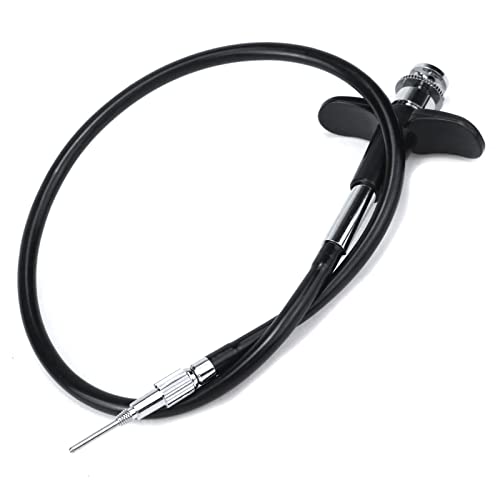
The Pastlla 15.7″ shutter release cable is designed for both traditional film bodies and digital cameras with shutter release holes. It features a 40 cm length, a threaded connection, and a bulb-lock style mechanism. The unit is constructed from plastic and metal to resist corrosion and provide a long service life. This compact option suits desk setups, macro work, and travel-friendly kits where a shorter reach is sufficient.
Pastlla 28″ Threaded Release Cable

Pastlla’s 28″ (70 cm) threaded release cable extends reach for taller tripods or distant subjects. It is designed for cameras with standard threaded shutter release inputs and is built from anti-corrosive materials intended for long-term use. The longer cable helps maintain steady shots during environmental restrictions or when engaging distant bulb exposures.
eTone 100cm Shutter Release Cable

The eTone shutter release cable is a 100 cm (39″) extension designed to fit most mechanical film cameras and many modern digital bodies with standard thread connectors. It supports bulb exposures and features a practical locking function to prevent accidental disengagement. This cable provides ample reach for studio setups or outdoor shoots where a longer, stable line is beneficial.
JJC Mechanical Shutter Release Cable Cord With Bulb-Lock

This JJC cable emphasizes a robust mechanical design with a bulb-lock feature, compatible with a range of Fujifilm, Sony, and other camera models listed in its product scope. It is intended to minimize camera shake during macro, telephoto, or long-exposure work and includes a locking function to keep the release secure during critical shots.
JJC Bulb-Lock Cable For Various Models

This JJC model covers a wide set of cameras, including many Fuji X-Series and Sony RX models, with a threaded shutter input and a locking mechanism. It is designed to prevent camera shake during macro photography and long exposures, and its compatibility scope makes it a flexible choice for mixed gear kits.
Fotasy 100cm Mechanical Cable With Bulb-Lock

The Fotasy 100 cm cable is a top-quality manual locking release suitable for film, digital, and professional video equipment. It eliminates camera shake for precise shots, with a tapered threaded end that screws directly into the shutter button. Its bulb-lock design is beneficial for long-exposure and macro applications across multiple camera systems.
Fotasy 70cm Mechanical Cable With Bulb-Lock
The 70 cm Fotasy cable provides a compact option with a bulb-lock design suitable for film and digital cameras requiring steady trigger control. It mirrors the same build philosophy as the longer model, focusing on reducing shake and improving exposure precision for long or macro shots.
Buying Guide: Key Purchase Considerations For Shutter Release Cables
- Compatibility: Check your camera’s brand, model, and whether the shutter input uses a standard 2.5 mm thread or a proprietary connector. For film cameras, ensure the cable threads fit your shutter button.
- Length: Short cables are great for desk setups and compact studios; longer cables (70–100 cm) are useful for macro work, long exposures, or tripod-based photography where you need to stay away from the viewfinder.
- Bulb-Lock Function: A bulb-lock design prevents the shutter from returning to the closed position during long exposures, offering stability and consistency for time-lapse or astrophotography.
- Locking Mechanism: A reliable lock helps prevent accidental cable disconnections during shoots. Look for models marketed as locking or with a secure engagement.
- Build Materials: Durable plastics and metals resist wear and corrosion. Lightweight options are good for travel, while metal constructions may offer greater longevity in rough environments.
- Compatibility Range: Some cables list broad compatibility with brands like Fujifilm, Sony, Leica, Nikon, and Canon. If you own multiple camera bodies, prioritize cables advertised as versatile or multi-brand.
- Usage Scenarios: Consider whether you need a cable for macro photography, long exposures, or bulb exposures. Some cables emphasize anti-shake performance for telephoto shots, while others focus on stability during macro work.
- Value And Longevity: Compare bundled features (length, locking, and included adapters) to determine long-term value. A slightly higher-priced cable with robust locking and longer lifespan may be more economical over time.
- Brand Reputation And Support: Reputable brands often provide clearer compatibility notes and better after-sales support.
Across the options reviewed, users should weigh the importance of length versus portability, the presence of a bulb-lock feature, and the camera models they plan to support. For studios with multiple camera bodies, a versatile, longer cable might simplify gear management. For field work, a shorter, compact cable can minimize weight. Material quality and locking reliability are key to ensuring consistent performance during critical shots.