Best Night Vision Deer Camera Picks for 2026: Top Trail Cams for Wildlife Monitoring
Finding reliable night vision deer cameras is essential for wildlife monitoring, hunting prep, or securing your property after dark. This guide highlights five top-rated trail cameras with strong night vision capabilities, solid trigger speeds, and durable builds for outdoor use. Each model includes distinct strengths—from solar charging to 4G cellular connectivity—so you can compare features and choose what best fits your area, weather, and privacy preferences. Below, you’ll see concise product sections and a practical buying guide to help you decide which camera delivers the best evidence when the critters come out after dusk.
| Product | Brand | Key Benefit | Best For |
|---|---|---|---|
| MAXDONE Solar Trail Camera | MAXDONE | Solar Powered, WiFi6 & App Control | Year-round outdoor monitoring |
| Dargahou 4K Trail Camera | Dargahou | Ultra-high 4K resolution, low glow night vision | Detailed wildlife footage |
| WOSODA 2 Pack Trail Cameras | WOSODA | Fast 0.3s trigger, 30MP photos | Multiple locations |
| GardePro E6 Trail Camera | GardePro | Wi‑Fi, 48MP stills, 1296p video | Remote monitoring |
| GardePro A3S Trail Camera | GardePro | 100ft night vision, 64MP | Stealth surveillance |
MAXDONE Solar Trail Camera: Solar Power, Night Vision
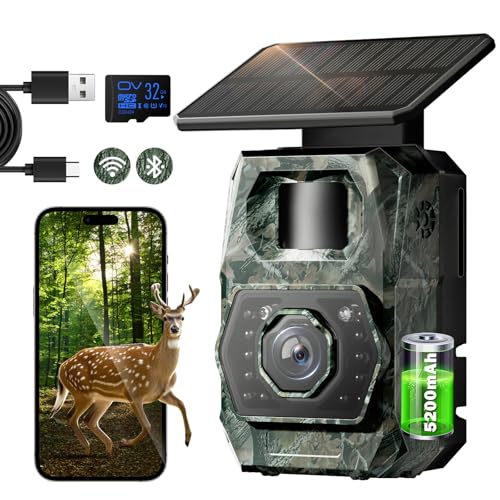
The MAXDONE solar-powered trail camera integrates a built-in 5200mAh rechargeable battery with solar charging to minimize maintenance. It is designed for outdoor wildlife monitoring, hunting, and nature observation across all seasons. With WiFi6 and Bluetooth, the camera creates a fast, stable hotspot with a compatible phone up to 55 feet away, enabling secure photo and video transfer via a dedicated app. A key feature is its clear 65-foot night vision capability, delivering sharp 48MP stills and 1296P video in darkness with low-glow infrared to avoid startling animals. The built-in hotspot is for phone access only; it does not connect to home Wi-Fi. This model aims for energy efficiency and year-round readiness in rugged environments.
Why it stands out: Solar charging reduces recurring battery costs and maintenance, while the app-based workflow keeps setup and monitoring simple from the field. The 65-foot night vision range is suitable for distant animal activity and quick-scene capture during nocturnal movements. The privacy-centric hotspot approach ensures data remains on-device when sharing through the app. This is a strong option for wildlife watchers who frequently deploy cameras in remote or tree-canopy settings.
Dargahou 4K Trail Camera With Low Glow Night Vision

The Dargahou camera emphasizes ultra-sharp 4K video and 48MP stills, paired with low-glow infrared LEDs for discreet night operation. It supports a 33-foot real-time preview via the Trail Cam Go app, enabling remote viewing and local photo/video capture without needing home Wi-Fi. The night vision system is designed to preserve natural nocturnal behavior by minimizing flash and noise, ensuring that fast wildlife moments aren’t missed. Built for rugged outdoor use, this model provides a balance of high-resolution media, user-friendly controls, and reliable night performance.
Benefits to note: Real-time app access supports flexible field monitoring, while the high-resolution output offers clear documentation of rare moments. This camera aims to capture more detail in nocturnal scenes, which is valuable for researchers or serious hunters seeking high-quality evidence.
WOSODA 2 Pack Trail Cameras With Night Vision

The WOSODA duo emphasizes a fast 0.3-second trigger speed and 60-foot detection range, designed to capture fleeting wildlife moments. They record 30MP stills and 1080P HD video, with 850nm Low Glow infrared for night operation that minimizes disturbance to animals. The kit includes two 32GB memory cards, which supports extended field use without frequent retrieval. These cameras are built for multi-location scouting and consistent nocturnal surveillance, offering a practical blend of speed, image quality, and dependable night vision.
What to consider: The two-camera bundle is useful for monitoring multiple feeders, trails, or a property perimeter. The lower glow infrared reduces the chance of animals flushing from activity and helps maintain natural behavior for better trail evidence.
GardePro E6 Trail Camera: Wi-Fi, 48MP, No Glow Night Vision

The GardePro E6 combines a Wi-Fi connection with a high-quality 48MP image sensor and 1296P video, offering efficient wireless management via the free GardePro Mobile app. It emphasizes a reliable antenna for stable signal and quick data transfer, reducing interruptions during field use. The camera captures crisp nighttime footage with no glow, enabling discreet observation of deer and other wildlife up to a substantial distance. This model is well-suited for users who want convenient remote operation without sacrificing image fidelity or night performance.
Key strengths: Low-power Wi-Fi helps preserve battery life while enabling direct phone control, previews, and quick media sharing. The 1296P video and 48MP stills deliver high-detail evidence for wildlife monitoring, security applications, or research projects that require precise documentation of nocturnal behavior.
GardePro A3S Trail Camera: 64MP, 100ft Night Vision
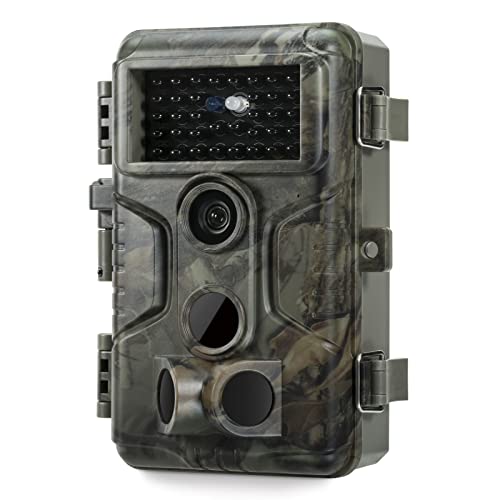
The GardePro A3S presents 64MP imagery with 1296P video and no-glow night vision up to 100 feet. It features a Sony Starvis sensor and an advanced infrared LED system, delivering vivid, crisp nighttime captures with reduced noise and better color accuracy in twilight hours. The fast 0.1-second trigger ensures rapid response to movement, while waterproofing supports use in diverse weather. This model is suitable for stealthy nighttime surveillance across larger plots or remote hunting grounds where detail and reach matter.
Buying Guide: Night Vision Trail Camera Essentials
- Night vision range and lighting: Look for no-glow infrared or low-glow LEDs to minimize disturbance while maintaining visibility at practical distances (30–100+ feet).
- Resolution and video: Higher MP stills (48–64 MP) and 1080p–1296p video provide sharper evidence, but consider storage needs and processing when choosing core specs.
- Trigger speed and recovery: Fast 0.1–0.3 second triggers reduce missed moments; shorter recovery times prevent gaps between captures.
- Power options: Solar, rechargeable, or standard batteries affect field longevity, maintenance, and deployment flexibility.
- Connectivity: Wi-Fi, Bluetooth, or cellular (4G/5G) connectivity enables remote access; note data plans and coverage in your area.
- Durability: IP ratings, weather sealing, and rugged housings matter for long-term outdoor use in rain, snow, or dust.
- Privacy and data handling: Some cameras offer app-based streaming with local data retention; prefer devices that minimize exposure to external servers if privacy is a concern.
- Multi-camera setups: If patrolling large properties, consider models that pair well with bundles or provide stable multi-camera management.
- App ecosystem and support: An intuitive companion app, easy firmware updates, and responsive customer support can shorten setup time and improve reliability.
When selecting a night vision deer camera, weigh the importance of remote monitoring against the need for ultra-high resolution. For some users, solar power and long field depth take priority; for others, real-time mobile access and cellular alerts are essential. The five picks above illustrate a range of approaches—from solar-powered efficiency and robust night vision to high-res imaging and remote control—so you can align a camera with your site conditions and monitoring goals.