Best Mid Range Mirrorless Cameras and Lenses for Crisp Photography
Choosing the best mid range mirrorless camera or lens is essential for photographers and videographers seeking quality without excessive bulk or cost. This article reviews top options from leading brands like Nikon, Canon, Sony, and Panasonic, highlighting versatile zoom ranges, fast apertures, and image stabilization. Below is a summary table of selected products with key features for quick comparison.
| Product | Brand | Key Features |
|---|---|---|
| Nikon NIKKOR Z 24-70mm f/2.8 S | Nikon | Constant f/2.8 aperture, Multi-Focusing System, Ideal for wide photo/video use |
| Canon EOS RP Full-Frame + RF 24-105mm Lens | Canon | Compact/full-frame, Optical image stabilization, Versatile zoom range |
| Nikon NIKKOR Z 28-75mm f/2.8 | Nikon | Lightweight, Constant f/2.8 aperture, FX/DX compatible |
| Panasonic LUMIX G7KS 4K Mirrorless Camera | Panasonic | 16MP, 4K video & photo modes, Advanced autofocus system |
| Sony Alpha a6400 Mirrorless Camera | Sony | Fastest 0.02 sec autofocus, Real-time eye AF, 4K video & touchscreen |
Nikon NIKKOR Z 24-70mm f/2.8 S Mid-Range Zoom Lens

The Nikon NIKKOR Z 24-70mm f/2.8 S lens is a compact, professional-grade zoom lens tailored for Nikon’s Z-series mirrorless cameras. It features a constant maximum aperture of f/2.8 throughout its versatile zoom range, ensuring consistent exposure and beautiful low-light performance. Equipped with a new Multi-Focusing System powered by dual AF drive units, this lens delivers fast and precise autofocus, ideal for both photo and video work. Lightweight yet robust, it’s designed for extensive shooting environments, making it an indispensable mid-range choice for serious photographers.
Canon EOS RP Full-Frame Mirrorless Camera with RF24-105mm Lens

The Canon EOS RP is a compact and lightweight full-frame mirrorless camera, bundled with the RF 24-105mm f/4-7.1 STM lens. This combination provides a flexible zoom range suited for travel and vlogging. The lens features optical image stabilization capable of up to 5 stops of shake correction—helpful for steady handheld shooting. Its close focusing ability with a maximum magnification of 0.4x allows for detailed macro-like shots. The camera and lens kit offers an accessible entry into full-frame photography backed by Canon’s renowned imaging technology.
Nikon NIKKOR Z 28-75mm f/2.8 Compact Zoom Lens

The Nikon NIKKOR Z 28-75mm f/2.8 lens is an excellent option for photographers who want a lighter and more compact alternative to typical f/2.8 mid-range zooms. It weighs nearly 30% less than the 24-70mm f/2.8 S and measures only 4.8 inches when retracted. Delivering a fast constant aperture of f/2.8 across its zoom range, it provides plenty of control over lighting and depth of field. The lens supports Nikon Z series cameras in both FX (full-frame) and DX (APS-C) formats, enhancing its versatility.
Panasonic LUMIX G7KS 4K Mirrorless Camera with 14-42mm Lens Kit

The Panasonic LUMIX G7KS is a digital mirrorless camera designed for users who prioritize high image quality without DSLR bulk. It offers a 16-megapixel sensor and supports 4K ultra HD video recording with multiple pause-and-save photo modes for creative shooting. The autofocus system is robust, featuring face and eye detection, plus various focus modes including single, flexible, continuous, and manual options. Coupled with a 14-42mm lens, it’s suitable for everyday photography and spirited videography alike.
Sony Alpha a6400 APS-C Mirrorless Camera with Real-Time Eye AF
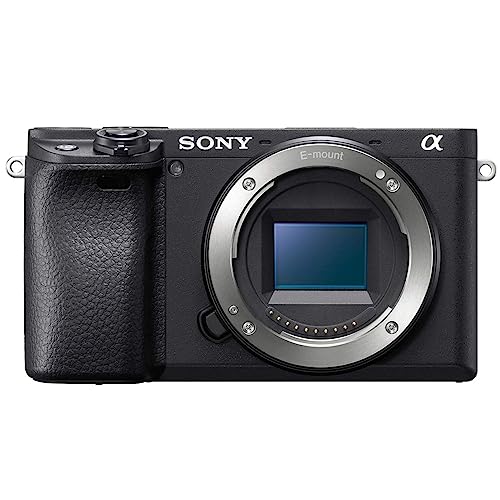
The Sony Alpha a6400 leads with cutting-edge autofocus speeds, boasting a blazing 0.02-second response time complemented by real-time eye autofocus and object tracking. Its 24.2-megapixel APS-C sensor ensures high-quality images and 4K video recording capabilities. With 425 phase and contrast detection points covering 84% of the sensor, this mirrorless camera excels in capturing fast-moving subjects accurately. Continuous shooting reaches up to 11 frames per second, making it ideal for dynamic photography situations.
Buying Guide: Key Considerations for Mid Range Mirrorless Cameras
When selecting a mid-range mirrorless camera or lens, consider the following critical factors to ensure you make the best choice for your needs:
Sensor Size and Resolution
Mirrorless cameras often come with APS-C or full-frame sensors. Full-frame sensors generally provide better low-light performance and dynamic range but are larger and pricier. APS-C sensors offer good image quality with a smaller camera body. Resolution impacts detail level, with options typically ranging from 16 to 24+ megapixels in this class.
Lens Compatibility and Zoom Range
Lenses like the Nikon 24-70mm and Canon 24-105mm kits offer versatile focal lengths for various shooting styles — from wide-angle landscapes to medium telephoto portraits. Constant aperture lenses (e.g., f/2.8) maintain exposure throughout the zoom range, which benefits low-light and creative control.
Autofocus Performance
For action, wildlife, or event photography, autofocus speed and accuracy are crucial. Advanced systems, such as the Sony a6400’s 0.02-second AF with real-time eye tracking or Panasonic’s face/eye detection, improve sharpness and tracking reliability.
Image Stabilization
Built-in lens or sensor stabilization reduces camera shake, allowing for sharper images at slower shutter speeds. Stabilization of 4 to 5 stops can significantly improve handheld shooting results, especially in video or low-light conditions.
Video Capabilities
Many mid-range mirrorless models support 4K recording. Features such as flip-up touchscreens, multiple 4K photo modes, and clean HDMI output enhance videography options. Assess your intended use to pick appropriate video specs.
Weight and Portability
Mirrorless cameras are known for their ergonomic size and reduced weight compared to DSLRs. However, lenses vary significantly in size—compact lenses like the Nikon Z 28-75mm are preferable for travel and street photography.
Price and System Ecosystem
Compatibility with existing lenses and accessories can sway your decision. Major brands offer different lens mounts and ecosystems, so consider future upgrades and availability of desired lenses and peripherals.
By weighing these aspects, you can select a mid range mirrorless camera or lens that balances performance, portability, and cost for your photographic needs.