Best Micro Four Thirds Mirrorless Cameras for Sharp Images and Quick Lifestyles
The micro four thirds mirrorless system remains a versatile choice for enthusiasts and creators seeking compact bodies with strong lens ecosystems. This guide highlights five notable options, each built around a 4/3 sensor and mirrorless design, offering solid image quality, video capabilities, and user-friendly features for everyday use and travel.
| Product | Brand | Key Benefit |
|---|---|---|
| OM SYSTEM Olympus E-M10 Mark IV | OM SYSTEM | 20 MP sensor, 5-axis IS, selfie-friendly features |
| Panasonic LUMIX G100 (DC-G100DKK) | Panasonic | 4K video, advanced audio, WebCam capability |
| Panasonic LUMIX G100 (DC-G100KK) | Panasonic | Similar core features with different kit options |
| Panasonic LUMIX G97 | Panasonic | Creative shooting modes, Live View Composite, strong IS |
| Panasonic LUMIX GH7 | Panasonic | Pro-grade video features, 32-bit and RAW-capable workflow |
Note: Each product section links to its Amazon listing for more details, specifications, and purchasing options.
OM SYSTEM E-M10 Mark IV Overview

The Olympus E-M10 Mark IV leverages a 20 MP Live MOS sensor and a compact Micro Four Thirds body. It features Bluetooth connectivity for Always-on and background pairing, and a dedicated Smartphone app (OI Share) to streamline sharing and remote control. The flip-down touchscreen supports selfie-focused photography with a dedicated Selfie mode that activates automatically when the monitor flips down, making it a practical option for vlogging and casual selfies in everyday settings. Image stabilization helps reduce camera shake in hand-held shots, and 4K video recording broadens multimedia capabilities in a compact package.
Key considerations include its robust stabilization system and user-friendly selfie workflow, which can be advantageous for travel bloggers, content creators, and social media enthusiasts seeking a lightweight Micro Four Thirds setup with reliable performance.
Panasonic LUMIX G100 DC-G100DKK (Black)

The LUMIX G100 focuses on approachable creativity with 4K photo and 4K video capabilities, enhanced by built-in tracking and optimized audio. It supports iA mode for automatic scene-appropriate settings while offering manual controls for gradual skill development. The Micro Four Thirds system maintains broad lens compatibility with a versatile lens lineup, and the included 12-32mm kit lens suits casual travel and everyday photography. A standout feature is the easy webcam integration for crisp video calls and livestreams, expanding its use beyond traditional photography.
Consider this model if you want a balance of beginner-friendly operation, strong video fundamentals, and flexible connectivity for modern content workflows.
Panasonic LUMIX G100 DC-G100KK (Black) — Alternate Kit

This variant mirrors the G100’s core strengths with a potentially different kit configuration. It retains 4K video, intelligent auto modes, and seamless live streaming capabilities, making it suitable for creators who value consistent performance in a small, portable body. The combination of Micro Four Thirds compatibility and a compact kit lens makes it well-suited for travelers and vloggers who prioritize portability without sacrificing image quality.
Panasonic LUMIX G97 Overview
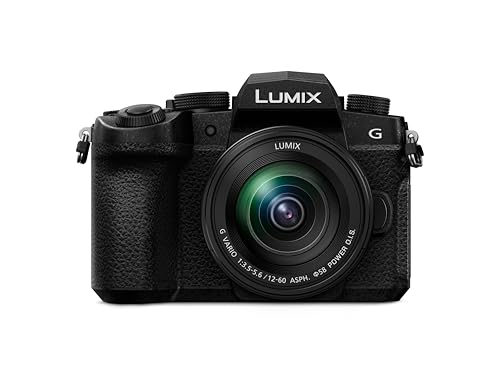
The LUMIX G97 is positioned as a compact hybrid camera with a higher-resolution output and a suite of creative tools. Features like Live View Composite Mode enable multi-exposure effects in real time, while a 5-stop 5-axis Dual I.S.2 system helps stabilize images and video across challenging shooting conditions. Built-in picture styles let users tune color and tone without extra apps, providing a straightforward workflow for content creators who want a polished result directly from the camera.
This model serves well for photography enthusiasts who value creative control and reliable stabilization in a portable Micro Four Thirds body.
Panasonic LUMIX GH7 — Pro Video Capabilities
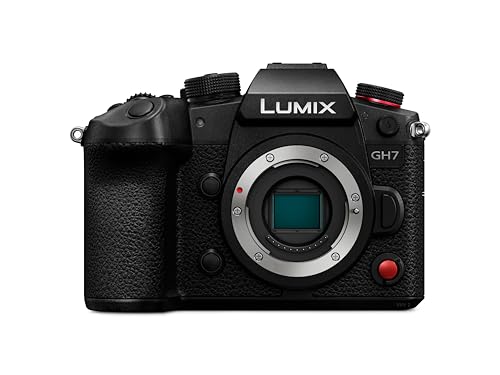
The GH7 represents a higher-end option within the Micro Four Thirds ecosystem, emphasizing advanced video workflows and high-fidelity capture. It introduces modern internal recording capabilities and a robust post-production pathway, including 32-bit float recording options when paired with appropriate accessories. The 25.2 MP BSI sensor and expansive dynamic range support rich, detailed imagery, making it a strong choice for videographers and hybrid shooters who demand flexible, professional-grade performance from a compact camera system.
Buying Guide: Key Purchase Considerations For Micro Four Thirds Mirrorless Cameras
- Sensor and image quality: Micro Four Thirds sensors offer a balance between compact size and image quality. Look for higher megapixel counts and improved dynamic range if you shoot in varied lighting or shoot RAW for post-processing.
- Stabilization: In-body or lens-based stabilization is crucial for handheld photography and video. A 5-axis system provides steadier performance across stills and motion, especially with longer lenses or low-light conditions.
- Video features: If video is a priority, evaluate 4K capabilities, frame rates, and any advanced codecs or RAW options. Also consider audio features and external mic support for richer sound.
- Autofocus and tracking: Reliable subject tracking and responsive AF performance help with fast-moving subjects, street photography, and vlogging scenarios.
- Connectivity: Built-in Bluetooth or Wi-Fi, plus easy smartphone integration and webcam functionality, can streamline content creation and remote control.
- Lens ecosystem: The Micro Four Thirds system benefits from a mature lens lineup. Consider future upgrades with versatile zooms and fast primes to extend your shooting range.
- Portability vs. features: Smaller bodies are convenient for travel, but ensure the camera still provides the controls and features you need for your preferred shooting style.
- Future-proofing: If you plan to grow with the system, choose cameras that receive regular firmware updates and offer expanding features compatible with new accessories and lenses.