Best Marine Image Stabilized Binoculars for Stable Viewing on Deck
Choosing image-stabilized binoculars for marine use means prioritizing shock resistance, stability, and reliable clarity in bright sun and choppy seas. This guide reviews five top options that blend Canon’s and Nikon’s stabilized technology with rugged construction. Each product section highlights practical strengths, core features, and how they perform in nautical conditions.
| Product | Brand | Magnification / Objective | Best For |
|---|---|---|---|
| Canon 12×36 Image Stabilization III Binoculars | Canon | 12x / 36mm | Birdwatching, general marine viewing |
| SIG SAUER ZULU6 HDX PRO 18×50 | Sig Sauer | 18x / 50mm | Long-distance spotting, wildlife |
| Canon 4625A002 15×50 IS | Canon | 15x / 50mm | Powerful magnification, rugged use |
| Nikon STABILIZED 12×25 | Nikon | 12x / 25mm | Lightweight, everyday use |
| Canon 10×42 L IS WP | Canon | 10x / 42mm | Wet conditions, travel-ready |
Canon 12×36 Image Stabilization III Binoculars

Canon’s 12×36 IS III binos are compact enough to handle on a rolling deck while delivering steady, detailed views. The built-in image stabilization aligns with Canon EF lens-grade technology, helping reduce the jitter caused by waves and movement at sea. The 12x magnification is balanced for marine use, offering enough reach without sacrificing brightness in moderate lighting. A solid choice for casual birding, coastal watching, and quick assessments from the helm.
SIG SAUER ZULU6 HDX PRO 18×50
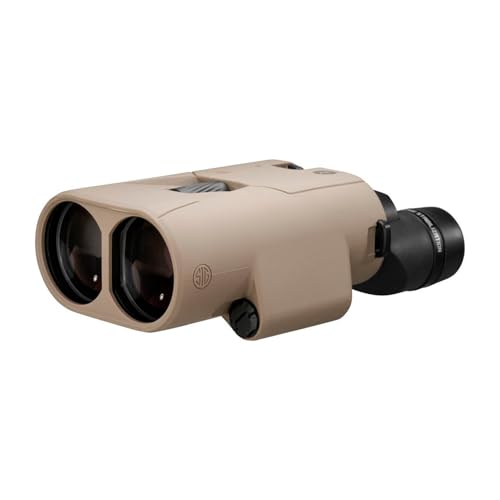
The ZULU6-HDX PRO series emphasizes stabilization and optical clarity for demanding conditions. With 18x magnification and 50mm objectives, you gain reach and light gathering during dawn or dusk channel crossings. OmniScan OIS technology adapts stabilization to your movement, reducing shake more effectively as you pace or scan. The HDX PRO lens system minimizes glare and enhances color fidelity, making distant buoys, hulls, or wildlife easier to identify in bright sunlight.
Canon 4625A002 15×50 IS

The 15×50 IS model from Canon combines a strong zoom with Optical Image Stabilizer to counter hand movements and small vibrations at the touch of a button. This makes it a capable option for marine observers who want more detail at moderate distances without sacrificing stability. The higher magnification helps with distant sightings on open water, while stabilization minimizes image shake during brief, unsteady moments on a deck.
Canon 10×42 L IS WP

The Canon 10×42 L IS WP is designed for marine environments where weather and spray require durable, water-resistant gear. The 10x magnification provides a stable, readable image with decent field of view, and water protection ensures reliability near spray zones or rain squalls. Padded carrying options aid in transport between decks, making it suitable for daily use aboard boats and yachts.
Nikon STABILIZED 12×25
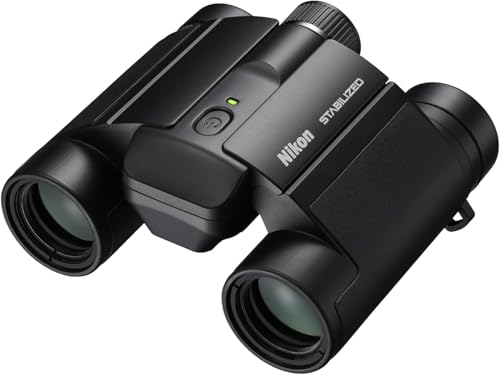
Nikon’s 12×25 stabilized binoculars emphasize a compact, light design with electronic image stabilization. They’re ideal for sailors who value portability and quick, stable viewing for routine deck checks, wildlife spotting along the coast, or port approaches. The multicoated lenses offer bright, true-to-life colors, and a slim form factor makes them easy to stow in travel bags or aboard smaller vessels.
Buying Guide: Key Purchase Considerations
- Stabilization technology: Look for optical or electronic stabilization that reduces hand-shake and platform movement. OmniScan-style digital stabilization or established Canon/Nikon stabilization systems generally deliver dependable performance at sea.
- Magnification vs. field of view: Higher magnification reveals distant targets but narrows the field of view and amplifies shake. Balance magnification (8x–18x) with a usable field of view for deck use and quick target acquisition.
- Objective size and brightness: Larger objectives (40–50mm) gather more light for dawn/dusk viewing but add bulk. For bright days on open water, 40–50mm is often ideal; for compact decks, 30–42mm is easier to handle.
- Durability and weather sealing: Marine environments demand water resistance, fog-proofing, and rugged housings. Look for rubber armor, sealed O-rings, and protective coatings on lenses.
- Weight and balance: Heavier binos can cause fatigue on long watches. Consider models with comfortable grips, balanced weight distribution, and reliable eye relief for eyeglass wearers.
- Battery dependence: Some models rely on batteries for stabilization. Assess battery life, availability, and maintenance needs, especially on extended voyages.
- Carrying accessories: A sturdy case, strap, and lens caps protect optics during transit and rough seas. Ensure you have a comfortable, secure carrying setup for daily use.
- Warranty and service: Marine-grade gear often travels through harsh environments. A solid warranty and accessible service centers help maintain performance over time.
These considerations help buyers choose binoculars that combine stabilization with practical marine usability. When selecting among the options above, weigh magnification against portability, the level of stabilization you need for your typical sea conditions, and how much extra weight you’re willing to carry on deck.