Best Japanese Medium Format Cameras for Serious Photography
For photographers seeking superior image quality and advanced controls, Japanese brands offer flagship medium format systems that balance accessibility with professional features. This article highlights five standout options, spanning high-resolution bodies, robust weather sealing, and sophisticated autofocus. Each entry includes core specs, notable capabilities, and practical considerations for choosing a system that fits your workflow.
Summary of chosen products
| Product | Brand | Sensor / Resolution | Notable Features | Category |
|---|---|---|---|---|
| Fujifilm GFX50S II GF35-70mm Kit Black | Fujifilm | 51.4 MP | IBIS, 19 Film Simulations, versatile controls | Entry-level Medium Format |
| Pentax 645z Medium Format DSLR Camera | Pentax | 51.4 MP | Tiltable LCD, robust body, high-resolution capture | Medium Format DSLR |
| Pentax 645D 40MP | Pentax | 40 MP | Weather sealed, rugged field design | Medium Format DSLR |
| Fujifilm GFX 100 | Fujifilm | 102 MP | Back-illuminated sensor, 16-bit output | High-Resolution Medium Format |
| Fujifilm GFX 100S | Fujifilm | 102 MP | Compact design, advanced AF, 6-stop IBIS | High-Res Medium Format |
Fujifilm GFX50S II GF35-70mm Kit Black

The Fujifilm GFX50S II combines a large 51.4-megapixel sensor with a redesigned in-body image stabilization system. This 20% smaller and 10% lighter IBIS setup delivers up to 6.5 stops of stabilization, enabling sharp handheld shots at slower shutter speeds. Ergonomics mirror familiar mid-range camera design, featuring a top-plate LCD, a refined focus lever, and a comfortable handgrip. The camera supports a wide exposure control set and 19 Film Simulations for creative looks right in-camera.
Key considerations: The GFX50S II is positioned as an accessible gateway into large-format image quality. Lens choices like the GF35-70mm offer a versatile walkaround focal range, suitable for landscapes, portraits, and street photography. Consider battery life and lens availability when planning travel or extended shoots. Its size and weight are manageable for many field workflows, though true large-format aesthetics may invite a tripod for ultra-detailed work.
Pentax 645z Medium Format DSLR Camera Body Only

The Pentax 645z pairs a 51.4 MP CMOS sensor with a DSLR-style body, delivering a robust option for studio and field work. It features a tiltable live view LCD, which can aid composition from difficult angles. The 645z emphasizes a balance of high resolution with practical handling and a rich set of controls for exposure, color, and dynamic range. Its weather-sealed build helps protect against challenging environments, supporting longer sessions in variable conditions.
Key considerations: The 645z’s imaging performance is strong for studio portraits and landscape projects, but it may be heavier than mirrorless rivals. Compatibility with Pentax lenses and accessories matters for cost of ownership and available focal lengths. Consider battery life and autofocus performance in low light, as well as the availability of updated firmware and service options.
Pentax 645D 40MP Medium Format Digital SLR

The Pentax 645D offers a 40 MP CCD sensor designed for high-resolution output. This body emphasizes rugged field performance with weather sealing and a 3-inch LCD for live view framing. It records 14-bit RAW files in PEF and DNG formats, providing flexibility for post-processing. The camera is designed to deliver detailed imagery with dynamic range suitable for landscape and studio work.
Key considerations: The 645D’s sensor technology and color rendition reflect its era, and its CCD architecture may contrast with newer CMOS sensors in modern bodies. Weight, battery life, and the availability of service support are important factors. If shooters require newer autofocus performance or video features, this model is more of a archival or budget-retro option rather than a primary modern system.
GFX 100 Medium Format Digital Camera
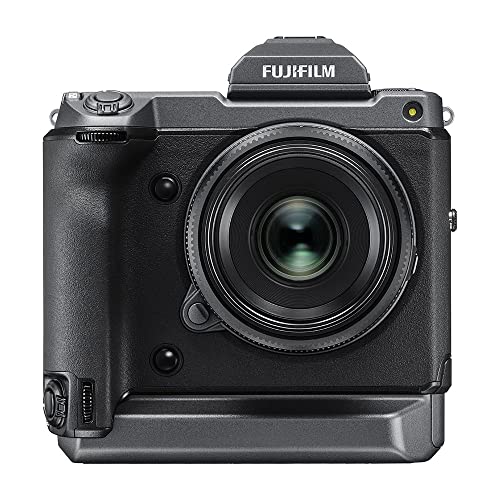
The Fujifilm GFX 100 elevates medium-format capabilities with a 102 MP back-illuminated sensor and a high-speed processing engine. It supports 16-bit color output, delivering rich color fidelity and expansive dynamic range. The body uses magnesium alloy construction and is weather sealed, designed for demanding environments. It also supports 4K/30p video and advanced autofocus features, including face/eye detection and fast subject tracking. A built-in vertical grip option enhances handling in portrait orientation or studio setups.
Key considerations: The GFX 100 targets users who demand top-resolution stills and capable video. Its size and weight are more substantial than compact mirrorless competitors, so transport and battery management are crucial. Lens availability for the G-mount is a factor for budget and creative direction, with a wide range of prime and zoom options spanning landscape to portrait work.
Fujifilm GFX 100S Body – Black

The Fujifilm GFX 100S blends the high-resolution capabilities of the GFX 100 with a more compact body and improved handling. Its 102 MP sensor benefits from a refined X-Processor 4 engine, delivering fast processing, accurate color, and strong dynamic range. The camera features a stabilized system that works with GF lenses to offer up to around six stops of stabilization, enabling sharper handheld imagery in lower light. Autofocus is fast and reliable, with AF performance optimized for a variety of subjects, including moving scenes in portrait and product work.
Key considerations: The 100S is well-suited for studio work, landscape photography, and demanding travel assignments where image quality is paramount. Its lighter form factor compared to older medium-format bodies helps reduce fatigue. When planning shoots, evaluate the lens lineup and availability, as well as the total system cost and support for field use.
Buying Guide: Key Purchase Considerations and Comparisons
Purpose and workflow: Determine whether you need maximum resolution for large prints, advanced color grading, or reliable performance in challenging environments. Studio work may favor high-res sensors and robust control layouts, while field work benefits from lighter bodies and longer battery life.
Sensor technology and image quality: Larger sensors deliver better dynamic range and depth of field control. Consider whether a 51 MP, 102 MP, or other resolution best aligns with your target output size and post-processing needs. Back-illuminated sensors can offer improved low-light performance and detail retrieval.
Autofocus and speed: For moving subjects, prioritize cameras with fast AF systems, accurate Eye/Face detection, and reliable tracking. A blend of physics, processor speed, and lens performance determines real-world usability in portraits, wildlife, or action photography.
Ergonomics and handling: Medium format cameras tend to be heavier and bulkier. Test grip comfort, control layout, and the practicality of viewfinders and tilting screens in your typical shooting scenarios. A comfortable handgrip and intuitive control dial can reduce fatigue over long sessions.
Weather sealing and robustness: If you shoot outdoors or in challenging climates, weather sealing and overall build quality matter. Magnesium alloy bodies and sealed lenses help protect against dust, moisture, and cold.
Lens ecosystem and versatility: The availability and range of GF and other compatible lenses influence your creative reach. Consider focal lengths, macro capability, and whether you prefer prime-lens superlatives or flexible zooms for travel and studio work.
System compatibility and future-proofing: Look at how a camera fits within your current gear, including existing bags, tripods, and lighting setups. Firmware updates and service options can extend the life of your investment and improve performance over time.
Cost of ownership: Medium-format systems generally require a higher upfront investment and accessory costs. Evaluate total ownership, including memory, storage, calibration tools, and maintenance, to understand long-term cost implications.