Best HD Monitors for DSLR Cameras in 2026
Answer: External 7-inch or 5-7 inch HD field monitors significantly improve framing, focus, and exposure when shooting with DSLRs. They are best suited for videographers using stabilizers, gimbals, or handheld rigs who need reliable waveform, focus peaking, and color accuracy. The following picks are among the most versatile for DSLRs, offering 4K HDMI inputs, long battery life, and lightweight designs for on-the-go shooting. A quick summary table of the top five products follows to help you compare at a glance.
Summary Table of Top Picks
| Product | Key Strength | Best For |
|---|---|---|
| FEELWORLD FW759 | Slim 7″ IPS, 4K HDMI input | Travel videography and on-the-go shoots |
| NEEWER F700 | 2000 nit brightness, true HDR tools | Bright outdoor scenes and detailed monitoring |
| NEEWER F100 | 450 nit, long runtime with F750 battery | Indoors and handheld rigs on a budget |
| FEELWORLD FW759PRO | 7″ touchscreen, 4K HDMI, color accuracy | Studio or mobile rigs needing touch control |
| FEELWORLD S55E | 5.5″ IPS, LUTs and waveform | Compact setups and beginners upgrading from built-in screens |
FEELWORLD FW759 7 Inch DSLR Field Monitor
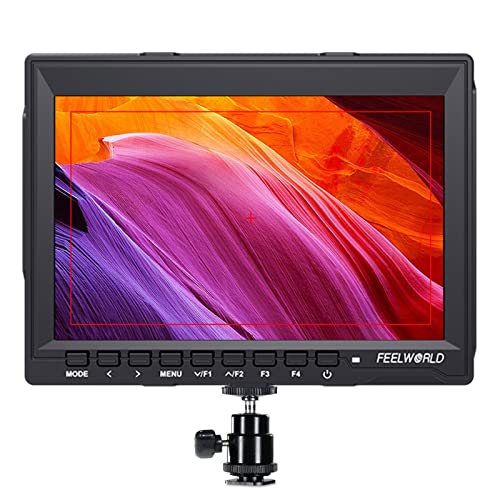
The FEELWORLD FW759 offers a 1280×800 IPS display with 400 nits brightness, delivering accurate color reproduction for DSLR work. Its ultra-slim 17 mm profile weighs about 300 g, making it a practical companion on stabilizers and gimbals. It supports 4K HDMI input, enabling smooth compatibility with most DSLRs and camcorders. Best for: on-the-go shoots where lowering weight and bulk is critical. Limitation: brightness and viewing angles may be modest in bright outdoor conditions without sunshade, especially in direct sun.
NEEWER F700 7″ Field Monitor With 2000nit Brightness

The NEEWER F700 stands out for its 2000-nit brightness, making it highly suitable for bright outdoor shoots. It features a 7-inch IPS panel at 1920×1080, with a robust backlight and a 180° adjustable bracket for flexible viewing. It offers 4K HDMI loop in/out and a rich suite of monitoring tools, including waveform and histogram, plus 3D LUTs. Best for: outdoor videographers who need visibility in strong sun. Caution: higher brightness can drain batteries faster than lower-brightness models.
NEEWER F100 7″ Camera Field Monitor (Updated)
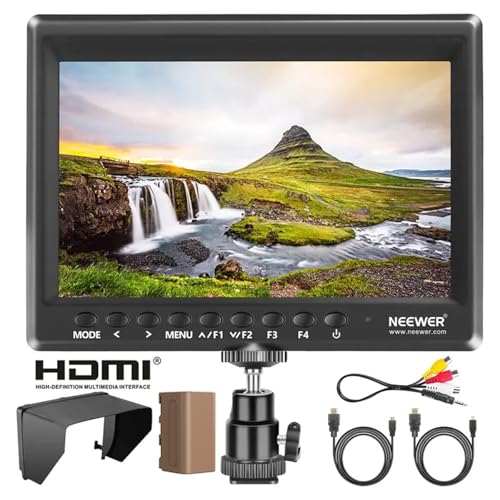
The 7-inch NEEWER F100 provides a practical 1280×800 IPS display with 450 nits brightness and a 16:10 aspect ratio. It supports a wide range of formats up to 1080p, and includes features like Peaking, Check Field, and Histogram for precise exposure and focus. Best for: indoor studios and budget-conscious shooters who still need professional tools. Limitation: battery life is moderate; consider external power options for longer shoots.
FEELWORLD FW759PRO 7 Inch Touchscreen Monitor

The FW759PRO adds a 7-inch touchscreen with a 1280×800 IPS panel and 178° viewing angles. It features Rec.709 color, 4K HDMI input, and an AV input, providing flexible connectivity for DSLR workflows. Best for: users who prefer direct touch control on set and need a compact, reliable monitor. Caution: touch responsiveness can vary in cold outdoor environments; keep the device warm if filming in chilly conditions.
FEELWORLD S55E 5.5 Inch Field Monitor
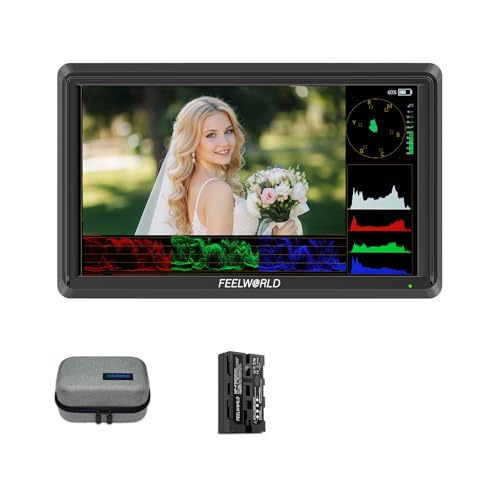
The FEELWORLD S55E weighs about 175 g and uses a 5.5-inch 1920×1152 IPS display with 1000:1 contrast. It includes 3D LUTs, waveform, vectorscope, and focus peaking. Best for: compact rigs and beginners upgrading from built-in screens. Limitation: smaller screen size means less room for critical composition checks at a distance.
Buying Guide
- Screen size and resolution: Choose based on how you shoot. Larger screens improve accuracy of focus and framing, while smaller, lighter monitors reduce rig weight.
- Brightness and outdoor visibility: For outdoor use, brightness (nits) is crucial. 1000+ nits is advantageous in direct sunlight; 400-500 nits may suffice indoors.
- HDMI input/output and formats: Ensure the monitor supports your camera’s HDMI format (4K/1080p) and consider loop-through if you want to pass signal to a recorder.
- Color tools and waveform: Peaking, zebra, histogram, false color, and waveform help prevent exposure mistakes and missed focus.
- 3D LUT support: Useful for on-set color grading and previewing final looks, especially when shooting in log profiles.
- Battery and power: Check battery type, runtime, and whether you can power from camera batteries or USB power banks for longer shoots.
- Mounting and portability: Slim profiles and lightweight builds reduce load on rigs. Look for 1/4″-20 mounting points and sunshades for outdoor shoots.
How to choose between models
- Best for outdoor shooting with bright sun: pick models with very high brightness like 2000 nits or more, plus a sunshade and rugged casing.
- Best for portable rigs and on-the-go filming: favor slim, lightweight Monitors such as 7″ or smaller with long battery life.
- Best for studio or controlled environments: consider touch-enabled monitors with true color and robust waveform tools to streamline post-production decisions.
FAQ
- Do I need a field monitor with 4K input for a DSLR? Not strictly; many DSLRs output 1080p, but 4K input ensures future-proofing if your camera supports 4K through HDMI.
- Is LUT support important for beginners? Yes, it helps preview color grades and understand how footage will look after color correction.
- Can I power monitors with camera batteries? Some models accommodate NP-F style batteries or USB power; check compatibility before purchase.
- Will a brighter monitor improve focus accuracy? Brightness aids visibility outdoors, but other tools like focus peaking and magnification are equally important for focus accuracy.
- Do I need a sunshade? A sunshade improves outdoor visibility and reduces glare on most daylight shoots.
- Which monitor is best for beginners? A compact, affordable model with essential tools (peaking, histogram, LUTs) balances ease of use and professional features.