Best Gimbal Head for Monopod: Top Picks for Stable Telephoto Shots
Choosing the right gimbal head for a monopod is essential for achieving smooth panning, precise tracking, and balanced support for large telephoto lenses. The following selections emphasize stability, ease of use, and compatibility with Arca-Swiss systems to fit American photographers — from wildlife and birding to sports and landscape work. Below you’ll find five strong options with quick links and key features to help you compare at a glance.
| Product | Brand | Max Load | Key Benefit |
|---|---|---|---|
| NEEWER GM102 Gimbal Head | NEEWER | 33 lb / 15 kg | 360° panning and full axis control |
| Zelnoox Monopod Gimbal Head | Zelnoox | 100 lb | Side saddle design with Arca-Swiss clamp |
| Wimberley MH-100 MonoGimbal | WIMBERLEY | Varies, high capacity | Made in USA, rugged stability |
| WEYLLAN PH3 MonoGimbal Head | WEYLLAN | 22 lb / 10 kg | All-metal, CNC precision, Arca Swiss |
| NEEWER GM101 Gimbal Tripod Head | NEEWER | 30 lb / 13.6 kg | 360° pan, smooth bearing movement |
NEEWER GM102 Gimbal Head for Tripod Monopod

NEEWER GM102 provides robust stability for telephoto setups up to 33 pounds (15 kg). CNC-machined aluminum alloy construction delivers rigidity essential for wildlife and birding work. Its 360° pan base, combined with a swing arm and quick-release design, allows comprehensive horizontal and vertical rotation. Built-in spirit level helps verify a level setup at a glance, simplifying field adjustments. Note: when tightening knobs, support the camera with one hand to prevent accidental drops. The bottom 3/8″ threaded hole enables mounting on tripods, monopods, or sliders, offering flexible integration into existing rigs. This model emphasizes secure, precise movement across all axes for dynamic subjects.
Key features include a three-axis adjustment framework and a dedicated Arca-type compatibility, which accelerates plate swaps and ensures a secure fit for heavy lenses. The design supports bird watchers who track rapid air movements and photographers who pan across expansive landscapes. The sturdy construction reduces vibration, promoting steadier frame capture during long sessions. If you routinely switch between portrait and landscape orientations, GM102’s adaptable head geometry helps maintain balance without reconfiguring the entire rig.
Monopod Gimbal Head – Side Saddle Tilt with Arca-Swiss Plate

Zelnoox’s Monopod Gimbal Head features a side-saddle tilt and an Arca-Swiss dovetail clamp, designed for heavy telephoto lenses and medium formats. Its gimbal-type design enables the lens to rotate around its center of gravity, facilitating precise balance and smooth tracking of distant subjects. With a rugged yet lightweight build (approximately 330 grams), this head blends portability with performance, making it a compelling option for field shooters who require a compact setup without sacrificing stability. The Arca-Swiss clamp supports a wide range of lenses, delivering versatility for various configurations.
Wimberley MH-100 MonoGimbal Head
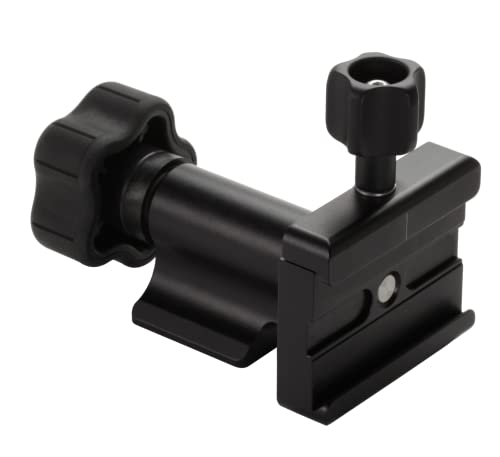
The Wimberley MH-100 MonoGimbal Head is a compact, USA-made solution designed to handle very large lenses with ease. Its gimbal-type design enables rotation around the center of gravity, optimizing balance and control for critical wildlife and sports shots. The rugged construction emphasizes stiffness and reliable tilt movement in a surprisingly light body (the unit is known for carrying substantial load while remaining portable). The Arca-Swiss style clamp broadens compatibility with many lenses in the medium-to-telephoto range, enhancing overall handling comfort and efficiency in field settings.
WEYLLAN PH3 MonoGimbal Head

WEYLLAN PH3 MonoGimbal Head is crafted from premium aluminum alloy with CNC manufacturing for enhanced rigidity and durability. It presents a lightweight profile (about 0.9 pounds / 410 grams) while supporting up to 22 pounds (10 kg). The head features an integrated Arca-Swiss dovetail on the base, plus a safety stop screw set to enable secure use with other quick-release clamps. A 3/8″ threaded hole enables tripod or monopod mounting compatibility. Its gimbal-type design centers gravity to improve control when navigating large lenses, ideal for birding, wildlife, and distant landscape captures where precision is critical.
NEEWER GM101 Gimbal Tripod Head
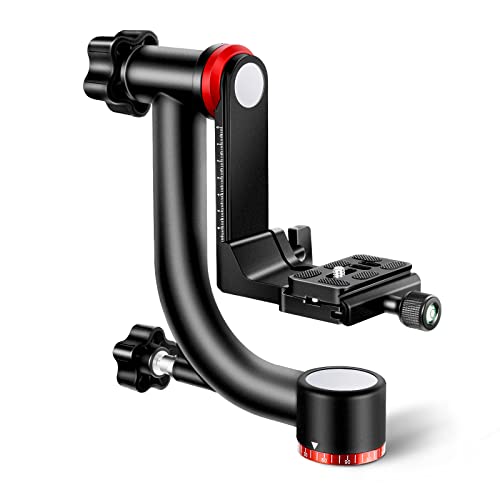
NEEWER GM101 Gimbal Tripod Head supports up to 30 pounds (13.6 kg) and emphasizes balanced, smooth camera movement on vertical and horizontal axes. Its 360° panning base allows panoramic shooting with reliable lock controls. The bearing-like structure supports high-precision adjustments and reduces resistance when tracking fast-moving subjects in wildlife and sports photography. A 1/4″ and 3/8″ socket combination at the bottom expands compatibility with most tripods and monopods, making GM101 a versatile option for photographers building a broader rig around a telephoto lens setup.
Buying Guide: Key Considerations for Choosing a Monopod Gimbal Head
- Weight capacity: Match the head to your heaviest lens setup. Exceeding the load rating can introduce stability issues and vibration, especially on longer sessions.
- Balance and pan ease: Look for 360° panning, smooth vertical tilt, and a reliable locking mechanism to minimize drift during tracking.
- Arca-Swiss compatibility: Most high-end heads use ARCA quick-release plates or clamps, enabling quick lens swaps and consistent alignment across your gear.
- Material and build: CNC-machined aluminum bodies provide rigidity and durability while remaining relatively light for field use.
- Installation options: Confirm 3/8″ threaded bottom holes for tripod or monopod mounting, and ensure the clamp design accommodates your lens center of gravity.
- Portability: If you travel or hike to shoot, a lighter head with a compact profile can reduce fatigue and improve mobility without compromising stability.
- Ease of use: Consider side-saddle tilt designs and ergonomic knobs that you can adjust with gloves, especially in cold weather or long shoots.
- Compatibility with existing gear: Review whether the head integrates well with your current tripod or monopod legs and whether any adapters are required for optimal balance.
- Maintenance: Regularly check tightening knobs and the level indicator, and ensure lubrication remains consistent to prevent sluggish movement.
In evaluating options, consider the typical subjects you shoot, the weight of your telephoto lenses, and your preferred shooting style. Wildlife and bird photography benefit from heads that offer precise balance and effortless panning, while sports shooters may prioritize quick lens transitions and stable tracking across rapid actions. For those who require a blend of rugged build and Arca-Swiss versatility, several entries above provide strong performance with a balance of weight capacity and maneuverability. The selections also cover a range of budgets and form factors to suit different field conditions, from compact travel rigs to more robust, professional setups.
Overall, the best gimbal head for a monopod will align with your lens weight, balance needs, and workflow preferences. The models highlighted here emphasize reliable stability, smooth movement, and flexible mounting, helping you capture sharper wildlife, sports, and landscape imagery with less fatigue and greater consistency in the field.