Best Full-Frame Sensor Cameras for Every Budget and Need
The following article highlights top full-frame sensor cameras available on the market, focusing on models that balance image quality, speed, video capabilities, and portability. Each pick is evaluated for stills, video, autofocus, and overall value, helping you choose a model that fits your photography and content creation goals.
| Product | Brand | Sensor MP | Key Strength |
|---|---|---|---|
| Canon EOS R6 Mark II | Canon | 24.2 MP | High-speed autofocus and 40 fps shooting |
| Canon EOS R8 | Canon | 24.2 MP | Lightweight, easy for content creation |
| Canon EOS R6 Mark II Kit with RF24-105mm | Canon | 24.2 MP | Strong hybrid performance and versatility |
| Canon EOS RP | Canon | 26.2 MP | Compact full-frame option |
| Sony Alpha 7 IV | Sony | 33 MP | Advanced video features and processing |
Canon EOS R6 Mark II Mirrorless Camera (Body Only)

The Canon EOS R6 Mark II uses a full-frame 24.2 MP CMOS sensor with the DIGIC X processor, delivering sharp images with solid high-ISO performance. It supports Dual Pixel CMOS AF and has robust subject tracking for moving subjects. The electronic shutter can reach up to 40 fps at 20 MP, enabling decisive captures in fast-action scenarios, from sports to wildlife. This model emphasizes speed without sacrificing image quality, making it suitable for hybrid shooters who value both photography and video capabilities.
Key strengths include versatile autofocus, reliable color science, and efficient processing. The combination of a capable sensor and powerful processor helps manage noise and detail across a variety of lighting conditions. It is well-suited for photographers who demand reliable performance in demanding environments.
Canon EOS R8 Mirrorless Camera Body
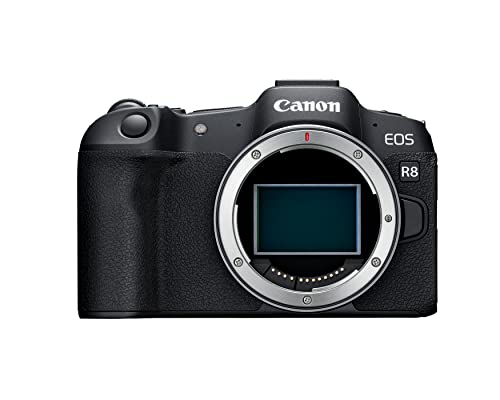
The Canon EOS R8 is a lighter, more compact full-frame option that still leverages a 24.2 MP CMOS sensor and the DIGIC X processor. It features a high-refresh-rate EVF and a vari-angle touchscreen for easy framing and vlogging. Dual Pixel CMOS AF II covers a large area and detects people, animals, vehicles, and other subjects with deep learning enhancements. The R8 balances portability with advanced autofocus, making it a strong pick for content creators and enthusiasts who travel frequently.
Video performance is solid, with capable autofocus during live streaming and recording. While smaller in body, it does not skimp on processing power, enabling crisp stills and dependable 4K recording as part of a well-rounded full-frame kit.
Canon EOS R6 Mark II With RF24-105mm Kit

This kit pairs the R6 Mark II with an all-around RF24-105mm F4-7.1 is STM lens, delivering a compact, versatile hybrid system. The camera maintains a 24.2 MP full-frame sensor and DIGIC X processing, with impressive ISO performance and fast AF. The kit lens supports a broad focal range ideal for portraits, landscapes, and everyday shooting. Mechanical and electronic shutter options provide flexibility for different shooting styles and environments.
RAW burst shooting and pre-shooting capabilities help capture decisive moments. The combination of speed, autofocus accuracy, and lens versatility makes this package a strong choice for hybrid shooters who want a ready-to-shoot setup without buying multiple lenses upfront.
Canon EOS RP Full Frame Mirrorless

The EOS RP offers a lightweight path into full-frame imaging with a 26.2 MP sensor and a compact body. It supports RF lenses and EF/EF-S lenses via an adapter, broadening your potential lens options. The camera emphasizes ease-of-use for beginners and enthusiasts who want a practical full-frame option without heavy gear. Its image quality stays strong in a variety of lighting, making it suitable for travel photography and everyday shoots.
Video capabilities are solid for the class, with reliable performance for creators who mix stills with limited video workflows. The RP’s portability is its signature advantage in a full-frame lineup.
Sony Alpha 7 IV Full-Frame Mirrorless

The Sony Alpha 7 IV uses a 33 MP full-frame sensor with the BIONZ XR processing engine, delivering high-resolution stills and strong overall performance. It supports 4K 60p, 10-bit 4:2:2 video with full pixel readout, and advanced autofocus that tracks subjects across scenes. The camera is a robust option for hybrid shooters who demand image detail and professional video options in a single, versatile body.
With expanded color science, faster processing, and rich video features, the A7 IV sits as a contemporary all-arounder that appeals to photographers who also create high-quality video content. Its balance of resolution, speed, and processing makes it a strong player in the full-frame market.
Sony Alpha 7 II
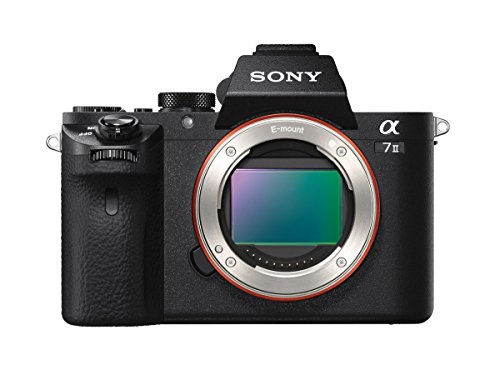
The Sony Alpha 7 II adds an early example of in-body image stabilization in full-frame form, helping to reduce camera shake and produce sharper images with any lens. It captures scenes at 24.3 MP and leverages Sony’s mirrorless advantages for lens flexibility and autofocus performance. While older than newer models, it remains a solid option for users seeking a more economical path into full-frame imaging with stable performance and a broad ecosystem of lenses.
For shooters prioritizing stabilized stills and a wide lens selection, the A7 II provides a reliable, long-term platform with a proven track record in various genres from portraits to landscapes.
Buying Guide
Sensor and Image Quality
Look for a full-frame sensor with sufficient megapixels to meet your needs. More MP can help with cropping and detail, but it also requires good lenses and processing to avoid noise. Consider the balance between resolution and low-light performance.
Autofocus And Speed
Subject detection, tracking performance, and high burst rates are critical for action, sports, and wildlife. Dual Pixel CMOS AF and advanced AF algorithms help maintain focus on moving subjects in both stills and video.
Video Capabilities
If you create video, check 4K recording options, 10-bit color, frame rates, and heat management. Some bodies excel at continuous recording, while others emphasize hybrid photography with solid video features.
Portability And Ergonomics
Weight and size affect day-to-day use and travel. Lighter bodies are easier to handle, but ensure the grip and control layout suit your shooting style. Consider lens compatibility and whether you may expand your kit later.
Lens Ecosystem
A robust lens lineup adds long-term value. Consider existing lenses you own and future expansion plans. RF, EF, and native Sony lenses offer varying levels of compatibility and performance.
Workflow Compatibility
Check file formats, color science, and editing software support. A camera that integrates smoothly with your preferred editing and cloud workflows will save time in post-production.
Budget And Value
Balance your budget with the features you need most. Some bodies offer excellent value for hybrids, while others target dedicated videographers or high-resolution still shooters. Consider accessory costs, such as lenses, memory cards, and stabilization options.