Best Full-Frame DSLR Cameras From 2016 That Still Matter Today
Answering the question of which full-frame DSLR from around 2016 is still worth considering, this guide highlights five solid options that balance image quality, speed, and versatility. These cameras are best for serious enthusiasts, portrait and landscape shooters, and videographers who want robust stills and 4K or high-quality HD video capability. The following sections present each product with what you should know to decide which model fits your needs now.
Product Snapshot: 5D Mark IV (Canon) — Best for Versatile Professionals

The Canon EOS 5D Mark IV is a 30.4 MP full-frame DSLR with 4K video, designed for content creators and professionals who need both stills and video performance. It uses Canon’s DIGIC 6+ processor for faster operation and supports an ISO range of 100-32000, expandable to 50-102400. With full-frame image quality and Dual Pixel AF, it’s well-suited for portraits, landscapes, and documentary work. Best for photographers who want a proven workhorse with strong video capabilities.
- Best for: Portraits, landscapes, and hybrid photo/video work.
- Why chosen: Strong sensor, 4K video, reliable autofocus, and robust build.
- Caution: Higher-end workflow can be heavier and pricier than newer mirrorless options.
Product Snapshot: Nikon D610 (Renewed) — Best for Value-Oriented Full-Frame

The Nikon D610 renew brings a 24.3 MP full-frame sensor, solid AF system, and a dependable battery of features in a refreshed body. It offers a 3.2-inch LCD and a base ISO range that supports versatile shooting in various lighting. It’s a good pick for photographers who want to step into full-frame with a lower cost and a used or renewed warranty path. Best for: budget-conscious shooters who still want FX-format image quality.
- Best for: Budget-conscious buyers seeking full-frame performance.
- Why chosen: Solid image quality and a practical feature set at a lower price point.
- Caution: Renewed items may vary in condition and may lack some original accessories.
Product Snapshot: Nikon D610 (Body Only) — Best for Starter Full-Frame Experience

This body-only option centers on the essential full-frame experience with a 24.3 MP sensor and a 39-point AF system to support precise focusing. It delivers reliable performance for still photography and general-purpose shooting. Best for: photographers who want a traditional DSLR feel with FX-format leverage without the latest bells and whistles.
- Best for: Traditional DSLRs with full-frame quality.
- Why chosen: Enduring image quality and a straightforward control layout.
- Caution: Older autofocus system compared to newer models may feel slower in challenging scenes.
Product Snapshot: Canon EOS 5D Mark III — Classic Full-Frame Workhorse
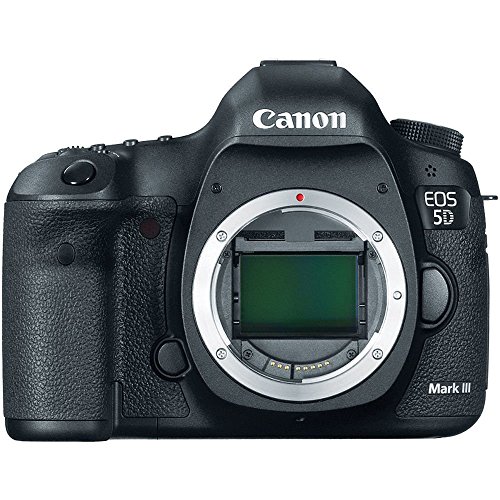
The Canon EOS 5D Mark III pairs a 22.3 MP full-frame CMOS sensor with a 61-point AF system and 1080p Full-HD video. It remains a reliable option for those who value robust still-image quality and dependable performance in a proven, durable body. Best for: photographers who prefer Canon’s ergonomics and a mature autofocus system for portraits and environmental work.
- Best for: Long-form shooting and Canon-native workflows.
- Why chosen: Reliable AF, strong color response, and extensive lens ecosystem.
- Caution: Lacks 4K video; older sensor technology compared to newer 5D models.
Product Snapshot: Nikon D5 — Best for Speed in a Pro-Grade Full-Frame

The Nikon D5 is a flagship option known for high-speed performance and advanced AF in a durable body. With an 20.8 MP FX-format sensor and the EXPEED 5 processor, it’s designed for fast-action shooting and demanding environments. Best for: sports, wildlife, and event photographers who need rapid autofocus and reliable performance in challenging conditions.
- Best for: Action, speed, and professional use cases.
- Why chosen: Strong autofocus, fast data processing, and rugged build.
- Caution: Higher price point and larger file sizes can require substantial storage and processing power.
Buying Guide: How to Choose a 2016-Era Full-Frame DSLR Today
What matters most when selecting a modern classic full-frame DSLR from 2016? Consider image quality, autofocus performance, video capabilities, lens options, ergonomics, and how the camera fits your intended subjects. For portraits and landscapes, a high-resolution sensor and reliable color science are key. For action or events, speed and AF accuracy should drive your choice. If you plan to shoot video, check whether 4K support and Dual Pixel AF are features you’ll use often.
- Sensor resolution: Higher megapixels capture more detail but can increase file sizes; balance with your storage and post-processing workflow.
- Autofocus system: A larger AF point count and cross-type points help with tracking moving subjects, especially in lower light.
- Video capabilities: 4K offers more future-proof footage; however, ensure your computer and editing software can handle it efficiently.
- Build and ergonomics: A durable body with a comfortable grip improves long sessions and reduces fatigue.
- Lens ecosystem: Access to a wide range of high-quality lenses is crucial for maximizing image quality across subjects.
Frequently Asked Questions
- What is the main advantage of a full-frame DSLR from this era?
– The larger sensor provides better dynamic range and low-light performance compared to APS-C models, with superior depth of field control for portraits and landscapes. - Is 4K video available on these cameras?
– Some models, like the Canon 5D Mark IV, offer 4K video; others focus on Full HD or do not offer 4K. Check individual product specs for video formats. - Should I buy a renewed Nikon D610 or a new Canon 5D Mark III?
– If you prioritize cost savings and FX-format imaging, a renewed D610 can be attractive; if you prefer Canon ergonomics and Dual Pixel AF, the 5D Mark III remains solid for stills and video. - Which camera is best for portraits?
– The Canon 5D Mark IV and Nikon D5 both deliver strong portrait performance due to high image quality, refined AF, and good color reproduction. - Do these cameras support modern memory cards and long-term workflows?
– Yes, these bodies support contemporary cards and established workflows, but verify card type compatibility and firmware updates before purchase. - Which model offers the best all-around value today?
– The decision depends on brand preference, lens system, and your balance of stills versus video. The 5D Mark IV generally provides a strong mix of resolution, AF performance, and video features, while the D610 options appeal to budget-conscious buyers seeking full-frame depth and history with Nikon glass.
Quick Buying Guide: Quick Reference Table
| Model | Best For | Key Strength | Notable Limitation |
|---|---|---|---|
| Canon EOS 5D Mark IV | Portraits, landscapes, hybrid shooters | 4K video, Dual Pixel AF, high resolution | Heavier, pricier |
| Nikon D610 (Renewed) | Value seekers | Full-frame FX, solid performance | Renewal condition varies |
| Nikon D610 (Body Only) | Starter full-frame | Simple interface, FX quality | Older AF compared to newer models |
| Canon EOS 5D Mark III | Canon enthusiasts | Reliable AF, robust build | No 4K video |
| Nikon D5 | Action and sports | Speed and pro-grade AF | Higher price |
These five options illustrate the range of full-frame DSLRs popular around 2016 and how they still fit today’s needs. When choosing, align the model with your primary subjects, whether that’s portraits, landscapes, action, or hybrid photo/video work. The right camera depends on your preferred brand ecosystem, lens lineup, and whether you place higher value on speed, resolution, or video capabilities.