Best Fast SD Cards for Cameras: High-Speed Options for 4K Capture
When shooting with modern cameras, fast SD cards help you offload footage quickly, reduce buffering, and maximize performance in 4K and above. This guide highlights five high-speed options that consistently deliver reliable read and write speeds for serious photographers and videographers. Each choice aligns with common fast-card standards like UHS-I, UHS-II, C10, U3, and V30, and many models pair well with adapters or readers for maximum throughput.
Summary of chosen products
| Product | Capacity | Speed Highlights |
|---|---|---|
| SanDisk 128GB Extreme PRO SDXC UHS-I | 128 GB | Up to 200 MB/s read; 90 MB/s write |
| SanDisk 256GB Extreme PRO SDXC UHS-I | 256 GB | Up to 180 MB/s read; 130 MB/s write |
| SanDisk 128GB Extreme PRO SDXC UHS-II | 128 GB | Up to 300 MB/s read/write |
| Lexar 128GB Professional 1667x SD Card | 128 GB | Read up to 250 MB/s |
| SanDisk 256GB Extreme SDXC UHS-I | 256 GB | Up to 200 MB/s read; 140 MB/s write |
SanDisk 128GB Extreme PRO SDXC UHS-I
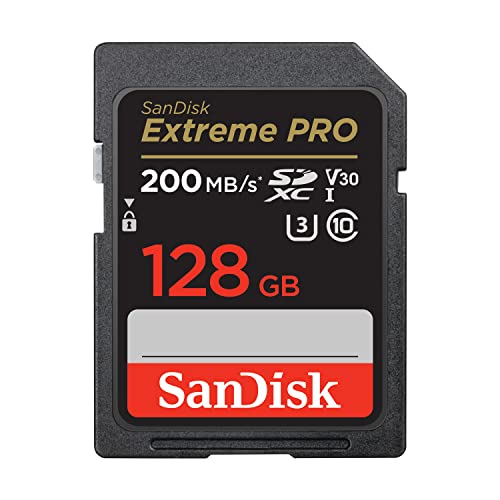
The SanDisk 128GB Extreme PRO SDXC UHS-I delivers high offload speeds suitable for 4K recording and burst photography. It features up to 200 MB/s read speeds and up to 90 MB/s write speeds, aimed at minimizing buffer delays in demanding workflows. QuickFlow Technology helps maximize performance on capable devices, with compatibility considerations depending on host equipment. The card is typically paired with SanDisk PRO-READER SD for ultimate speed gains when used with supported systems. This capacity is well-suited for photographers who shoot high-resolution stills and extended video sequences.
SanDisk 256GB Extreme PRO SDXC UHS-I

This 256GB Extreme PRO card emphasizes speed and capacity for extended shooting sessions. It offers up to 180 MB/s read and up to 130 MB/s write speeds, backed by SanDisk QuickFlow Technology to accelerate offload times. The card is marketed as compatible with the SanDisk PRO-READER SD and microSD to help maximize throughput. It is a strong choice for camera rigs that require larger storage without frequent card swaps, especially in 4K or high-bitrate modes.
SanDisk 128GB Extreme PRO SDXC UHS-II

The 128GB Extreme PRO SDXC UHS-II card targets photographers and videographers who demand the fastest possible transfer rates. With up to 300 MB/s read and write speeds, it helps reduce wait times during large 4K or 8K footage workflows and fast-CV bursts. UHS-II cards require compatible cameras or readers to achieve peak speeds and may show the best performance when used with a UHS-II-enabled host and a capable reader. This card is ideal for professionals who prioritize minimal downtime between shoots.
Lexar 128GB Professional 1667x SD Card

Lexar’s 128GB Professional 1667x SD Card uses UHS-II technology to push read speeds up to 250 MB/s, with classroom-grade performance for professionals handling rapid-fire shooting or 4K video. The 1667x rating equates to around 250 MB/s in practical terms, supporting extended shoots without frequent card swaps. Its large capacity and high-speed performance make it a solid option for DSLR and mirrorless cameras that can leverage UHS-II speeds, providing reliable results for demanding shooters.
SanDisk 256GB Extreme SDXC UHS-I

The SanDisk 256GB Extreme SDXC UHS-I card balances capacity with fast performance. It offers up to 200 MB/s read and up to 140 MB/s write speeds, supported by SanDisk QuickFlow Technology on select capacities. This card also notes compatibility with the SanDisk PRO-READER SD for maximum speeds when used with appropriate gear. It is a practical choice for busy photographers who need substantial storage without sacrificing speed during critical shooting sessions.
Buying Guide
Key purchase considerations help match cards to camera systems and shooting needs. First, consider the card’s speed class and UHS rating (UHS-I vs UHS-II) and the device’s ability to exploit those speeds. UHS-II cards deliver higher peak speeds but require compatible cameras or readers to realize the benefits. Second, capacity matters for longer shoots or high-bitrate formats; higher capacities reduce swap frequency but may come with larger price premiums. Third, consistency and durability matter: look for cards with good real-world write speeds under sustained workloads and solid build quality. Fourth, Verify compatibility with your camera model and whether your card needs a specific reader to unlock maximum throughput. Fifth, consider ecosystem features like SanDisk QuickFlow Technology and availability of high-performance readers for the fastest offloads. Finally, assess whether you primarily shoot stills, video, or a mix, and choose a card that aligns with your typical file sizes and workflow. In many cases, pairing a fast card with a capable reader, and possibly an extra card for backups, provides the most reliable setup for professional use.