Best Double Element Close-Up Lenses for Macro Photography
For photographers aiming to reveal tiny details, double element close-up lenses offer enhanced sharpness and magnification without a dedicated macro lens. This guide highlights five top options, outlining what makes each suitable for close-up work on common DSLR and mirrorless bodies. Read on to compare build quality, optical performance, and practical use cases across brands and diopters.
| Product | Brand | Diopter / Magnification | Mount / Size | Key Benefit |
|---|---|---|---|---|
| 10x High Definition 2 Element Close-Up (Macro) Lens | Digital Nc | +10 | 67mm | Beveled design, high clarity, multi-coated |
| ProMaster +3D Achromatic Close-Up Lens | ProMaster | +3D | 72mm | Lightweight, bright image, attaches like a filter |
| ProMaster +5D Achromatic Close-Up Lens | ProMaster | +5D | 77mm | Higher magnification with clear rendering |
| Close-Up Lens Enhanced (+10) For Canon RF 24-105mm | Hila Optics | +10 | Unspecified | Apochromatic design, compact for on-the-go use |
| Close-Up Lens Enhanced (+10) For Nikon Z MC 105mm | Hila Optics | +10 | Unspecified | Advanced coating, minimal aberrations |
10x High Definition 2 Element Close-Up Lens — Digital Nc (67mm)

The 10x High Definition 2 Element Close-Up Lens from Digital Nc features a beveled design aimed at intimate macro work. Built with high-index/low-dispersion glass, it emphasizes sharpness and color fidelity across close focusing distances. Fully multi-coated surfaces reduce reflections and improve contrast, while threaded construction ensures compatibility with a wide range of lenses. This option is well suited for nature subjects, jewelry, and textures demanding meticulous detail.
ProMaster +3D Achromatic Close-Up Lens 72mm

The ProMaster +3D Achromatic Close-Up Lens functions as a screw-in diopter that attaches like a filter to a camera lens, enabling closer focusing with minimal loss of brightness. It provides a bright, unfiltered image in the viewfinder and avoids significant light restriction. This makes it a practical, budget-friendly option for photographers experimenting with macro subjects such as flowers, small insects, and jewelry.
ProMaster +5D Achromatic Close-Up Lens 77mm

This higher-magnification 5D close-up lens from ProMaster uses achromatic optics to reduce color fringing and maintain brightness. Like the +3D model, it threads onto DSLR lenses, enabling closer focusing with a simple swap in the field. It is best for small subjects where enhanced magnification and edge-to-edge sharpness are important, such as tiny flora and jewelry details.
Close-Up Lens Enhanced (+10) For Canon RF 24-105mm F4-7.1 USM

Designed for Canon users, this +10 close-up lens emphasizes extreme close focusing with an apochromatic design and multilayer nano coating. It promises reduced chromatic aberration and improved color accuracy while maintaining a compact form factor for field macro work. A minimum focusing distance of a few centimeters and a wide working range make it suitable for jewelry, flowers, and insects in natural settings.
Close-Up Lens Enhanced (+10) For Nikon Z MC 105mm
This +10 close-up lens for Nikon Z MC 105mm f/2.8 provides a detailed close-up capability with advanced optics and a Nano-coated finish. The design emphasizes natural color rendition and minimized fringe, offering reliable macro performance for small subjects such as jewelry or insects. Its compact build makes it a convenient option for on-location macro shoots while preserving overall image quality.
10x High Grade 2 Element Close-Up Diopter — Sony RX10 IV
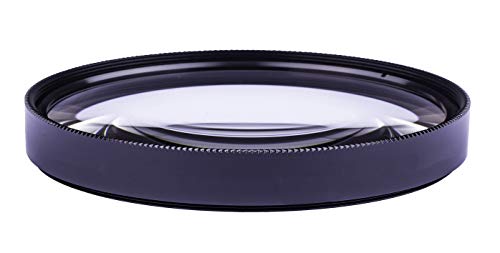
Sony users can benefit from this high-grade (+10) two-element close-up diopter with beveled design, high-index/low-dispersion glass, and a fully multi-coated surface. The lens assembly is threaded for integration with compatible Sony lenses and is designed to preserve edge-to-edge sharpness while delivering strong magnification. Field-ready and easy to carry, it suits travel macro work and everyday shooting alike.
10x Close-Up Lens For Leica D-LUX / Leica V-LUX (Digital Nc)
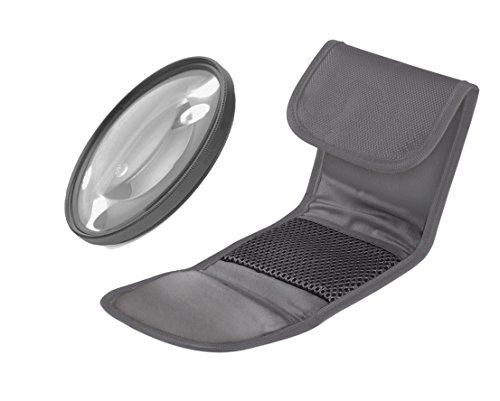
This Digital Nc close-up lens is designed for Leica camera compatibility, featuring a +10 magnification and a two-element optical system. It emphasizes high-definition performance, multi-coated glass, and robust threading for reliable macro work with compact Leica bodies. Ideal for capturing fine textures in flowers, jewelry, and insects with Leica imaging systems.
10x Close-Up Lens For Leica D-LUX (Typ 109)

Another Digital Nc option for Leica users, this +10 close-up lens aims to deliver sharp macro detail with high-clarity optics. Its fully multi-coated design helps reduce flare and preserve faithful color reproduction when shooting close to subjects. A practical pick for photographers working with Leica bodies who want quick macro access without swapping lenses.
Buying Guide: Key Purchase Considerations
When selecting a double element close-up lens, consider compatibility with your primary lenses, magnification needs, and image quality trade-offs. Here are essential factors to evaluate:
- Magnification and working distance: Higher diopters yield greater magnification but shorten working distance. Choose a diopter that matches your subject size and shooting distance requirements.
- Optical quality: Look for high-index / low-dispersion glass, multi-coating, and apochromatic or achromatic designs to minimize chromatic aberration and color fringing.
- Mount compatibility: Ensure the lens threads or mount system matches your lenses (e.g., 67mm, 72mm, 77mm, or specific camera brands).
- Image brightness: Some close-up lenses may reduce light transmission. Models with superior coatings help maintain brightness and contrast in the viewfinder and on the sensor.
- Size and portability: For field macro work, compact designs and light weight improve handling and travel practicality.
- Durability and construction: Threaded designs and robust housings reduce the risk of movement during shooting and provide better long-term reliability.
- Subject suitability: Certain diopters target specific subjects (flowers, jewelry, insects). Match the lens to your common macro subjects for best results.
- Coatings and color accuracy: Nano or multi-layer coatings reduce reflections and preserve color fidelity, benefiting high-contrast scenes.
Comparing Perspectives: Which Option Fits Your Macro Style?
For beginners or casual shooters, affordable ProMaster +3D or +5D options offer straightforward macro capability with minimal light loss and easy attachment. For enthusiasts seeking maximum magnification with robust optical performance, Digital Nc +10 diopters paired with compatible lenses provide sharp textures and rich detail, especially on landscapes or jewelry textures. For compact system users (Canon RF, Nikon Z, Leica), the specialized +10 options from Hila Optics or Digital Nc target field portability and consistent results across a range of subjects. Consider your primary camera system, preferred subjects, and how often you shoot macro to determine the best balance of magnification, image quality, and portability.
Practical Quick Tips
- Stabilize your camera with a tripod or a steady hand, especially at higher magnifications where even tiny motions blur detail.
- Use manual focus to fine-tune critical macro sharpness and then shoot with a small aperture to increase depth of field where possible.
- Experiment with different subject distances to discover the most flattering working distance for your chosen diopter.
- Capture in RAW if possible to maximize post-processing latitude for sharpness and color corrections.
- Protect your lenses and close-up attachments from dust and fingerprints; use a lens hood or protective filter if needed in bright environments.