Best Color Negative Film Options for Rich, True-to-Life Colors
Color negative film lets photographers capture scenes with vivid tones, natural skin colors, and broad tonal ranges. This guide highlights top color negative film options currently favored by enthusiasts and professionals, covering a range of ISO speeds and film stocks. Each product section includes key features to help you compare at a glance and decide which film fits your shooting style, lighting conditions, and desired print results.
Summary of chosen products:
| Product | Brand | Format | Typical Use |
|---|---|---|---|
| Kodak Ultramax 400 Color Print Film 36 Exp. 35mm DX | KODAK | 35mm, 36 exposures, 3-pack | Versatile everyday photography with balanced color and contrast |
| FUJIFILM 400 Color Negative Film (35mm) | Fujifilm | 35mm, 36 exposures | Vibrant colors, strong contrast, reliable skin tones |
| Fujifilm 200 Color Negative Film (3-Pack) | Fujifilm | 35mm, 36 exposures per roll | Fine grain, balanced color for everyday scenes |
| Kodak Portra 400 Color Print 35mm | GRDE | 35mm, 36 exposures | Exceptional skin tones and smooth grain |
| Kodak Ektar 100 Professional | KODAK | 35mm, 36 exposures | Ultra-fine grain, high color saturation |
Kodak Ultramax 400 Color Print Film
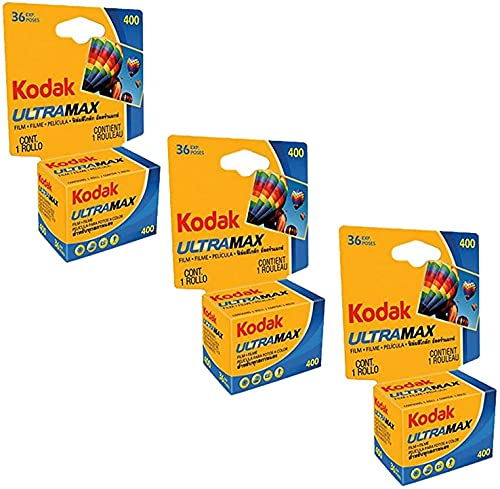
Kodak Ultramax 400 is a versatile day-to-day color negative film designed for 135-format 36-exposure rolls. The 3-pack option provides cost efficiency for bulk shooters. It is formulated to deliver well-balanced color, natural skin tones, and reliable performance in a variety of lighting conditions. As a consumer-friendly option, Ultramax suits travel, street photography, and family snapshots where dependable results are essential.
Key characteristics drawn from the product listing include its 36 exposures per roll and its general suitability for standard daylight and mixed lighting. This film is commonly used by enthusiasts who want bright colors without overly aggressive saturation, along with dependable sharpness and grain control for prints and scans.
FUJIFILM 400 Color Negative Film (35mm)

Fujifilm 400 Color Negative Film is known for vibrant color reproduction and strong contrast, making it a reliable choice for landscapes, portraits, and everyday photography. With 36 exposures per roll and ISO 400, it performs well in a variety of lighting conditions, including moderate indoor light and bright outdoor scenes. The film’s color rendition typically yields lively skies, lush greens, and accurate skin tones on a wide range of subjects.
This option is suitable for travel photographers and hobbyists who want robust color and good latitude. The listing emphasizes high quality color, rich contrast, and well-preserved detail across a spectrum of scenes.
Fujifilm 200 Color Negative Film (3-Pack)

This 3-pack provides ISO 200 film with fine grain and reliable color reproduction, ideal for portraits, landscapes, and street photography in good lighting. The film’s broad exposure latitude helps maintain details in shadows and highlights, while delivering natural skin tones and balanced color. It’s a solid choice for photographers prioritizing gentle contrast and clean textures in everyday shooting.
Kodak Portra 400 Color Print 35mm

Kodak Portra 400 is renowned for its fine grain and exceptionally natural skin tones, making it a staple for portrait work and cinematic-looking imagery. The 36-exposure format suits weddings, events, or travel assignments where consistent tonal rendition is essential. The film’s color palette tends toward soft yet accurate hues, preserving detail in mid-tones and highlights.
Although marketed under the GRDE listing, Portra 400 remains a go-to for photographers seeking a refined color science and reliable performance in mixed lighting conditions.
Kodak Ektar 100 Professional
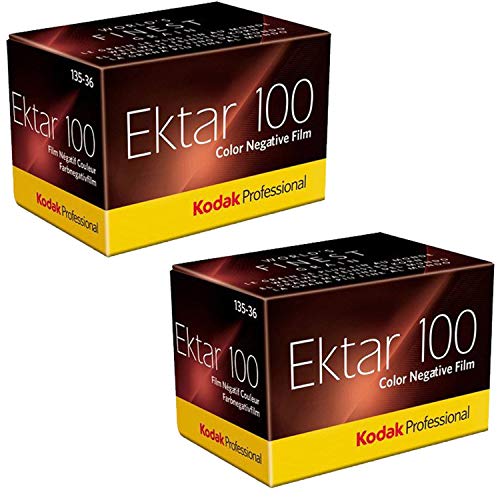
Kodak Ektar 100 is a color negative film known for ultra-fine grain and vivid color reproduction. With ISO 100, it excels in bright light and controlled lighting environments, enabling very sharp enlargements and striking color saturation without sacrificing detail. It is favored by landscape and nature photographers who require high definition and punchy tones for large prints.
Buying Guide: Key Considerations for Color Negative Film
Choosing the right color negative film depends on several factors, including light conditions, desired grain, and post-processing workflow. Consider the following perspectives:
- ISO and lighting: Higher ISO films (like ISO 400) perform better in mixed or lower light, while ISO 100–200 films excel in bright daylight and yield finer grain.
- Grain and sharpness: Films vary in grain structure. If you plan large prints or tight crops, prioritize films with fine grain (e.g., Ektar 100) for maximum sharpness.
- Color response and skin tones: Portra 400 is renowned for natural skin tones, while Ektar 100 delivers vivid color with bold saturation. Choose based on subject matter and mood.
- Latitude and exposure tolerance: Films with wider exposure latitude help prevent blown highlights or blocked shadows in challenging lighting.
- Grain handling and scanning: Scanners and printing labs interpret grain differently. Test a small batch to gauge how your workflow handles color, contrast, and grain.
- Economics and availability: Multi-packs offer cost benefits. Availability may vary by region and retailer, so consider alternatives with similar characteristics.
In practice, color negative film choices often balance contrast, color rendition, and grain size. Enthusiasts may mix stocks to cover a range of shooting scenarios—from bright landscapes to intimate indoor portraits—without compromising on overall color fidelity.