Best Budget Slow-Motion Cameras From 2016 That Still Deliver
If you’re searching for a reliable, affordable camera from 2016 that can shoot smooth slow-motion video, you’re in the right place. This guide highlights five solid options with strong autofocus, good image quality, and notable slow-motion capabilities for different budgets and uses. Best for hobbyists, weekend filmmakers, and enthusiasts who want cine-style footage without breaking the bank.
| Product | Key Slow-Motion Capabilities | Best For |
|---|---|---|
| Sony Alpha a6300 | Up to 11fps, 4K video, fast AF | Action shooters on a budget |
| Sony Alpha a6500 | 4K, 5-axis stabilization, 24.2MP | More stable handheld shooting |
| Sony RX10 III | HFR up to 960 fps, 24-600mm lens | All-in-one travel camera |
| Canon EOS 80D | Dual Pixel AF, high-contrast viewfinder | Versatile DSLR with reliable AF |
| Notes | All 2016-era models with solid video features |
Sony Alpha A6300 Mirrorless Camera With 4K Video
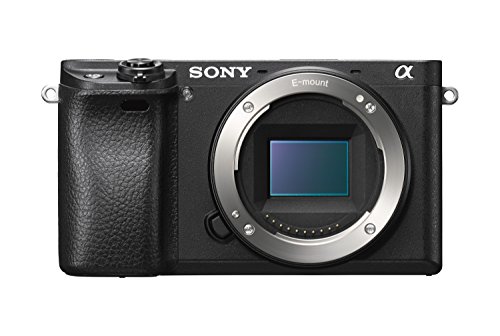
The Sony Alpha a6300 is a compact mirrorless body designed for fast autofocus and strong video features. With up to 11fps shooting and 24.2 MP resolution, it offers sharp stills and responsive AF performance. This model is best for photographers who also want 4K video in a lightweight package. Use it for street photography, sports, and travel where speed matters. Caution: body-only option means you’ll need compatible lenses and accessories to maximize slow-motion benefits.
Sony Alpha A6500 Mirrorless Camera Body

The Sony a6500 adds 5-axis in-body image stabilization and higher ISO performance to the lineup. With 24.2MP resolution and up to 51,200 ISO, it handles low light while maintaining crisp motion in video. Its fast autofocus (0.05 sec) and robust lens ecosystem make it a better choice for creators who need steadier clips and greater versatility in varied lighting. Best for run-and-gun shooters and vloggers who require reliable stabilization in post-2016 gear.
Sony DSC-RX10 III Cyber-shot Digital Still Camera

The RX10 III is a true all-in-one option with a 24-600mm Zeiss lens and a stacked CMOS sensor. It delivers 4K video and high-frame-rate options up to 960fps for slow-motion capture. Its bright lens and advanced autofocus support fast action recording at long focal lengths. Choose this if you want an all-in-one travel-friendly camera with built-in slow-motion versatility; limitation: smaller sensor size compared with true interchangeable-lens systems.
Canon EOS 80D Digital SLR Camera Body

The Canon EOS 80D offers robust Dual Pixel CMOS AF for smooth live-view focusing and a strong electronic viewfinder experience. It excels in color handling, reliable autofocus across a wide area, and solid build quality. For slow-motion enthusiasts, the camera’s video capabilities pair well with Canon’s usability and color science. Best for enthusiasts who prefer a DSLR with proven performance and a broad lens ecosystem. Limitation: not as compact as mirrorless options for tight travel shoots.
Buying Guide
What features matter most for slow-motion video?
Look for a camera that can record high frame rates without excessive rolling shutter. Consider the available bit rates, the sensor size, and whether the camera can output clean 4K or Full HD at high frame rates. Interchangeable lenses add flexibility for depth of field and motion capture.
Should you choose a mirrorless or DSLR?
Mirrorless cameras generally offer lighter bodies and better autofocus in video, while DSLRs provide longer battery life and a familiar handling style for traditional photographers. If slow-motion is a priority, prioritize autofocus speed, frame-rate options, and stabilization.
How important is stabilization for slow motion?
In-body or lens stabilization reduces motion blur in handheld shots. For slow-motion, stabilization helps maintain smooth motion at high frame rates, especially with longer focal lengths.
What about lens ecosystems and future-proofing?
Lens availability and compatibility influence long-term cost. Sony’s E-mount and Canon’s EF/EF-S ecosystems offer broad options, whereas built-in zooms like in the RX10 III provide convenience but less creative flexibility in focus control.
Which model fits different buyer types?
- Best for action shooters on a budget: Sony a6300
- Best for stabilized handheld video: Sony a6500
- Best all-in-one travel camera: Sony RX10 III
- Best value DSLR with dependable AF: Canon EOS 80D
Quick comparison
- Resolution: a6300 and a6500 offer 24.2 MP; RX10 III uses a 20.1 MP 1″ sensor; EOS 80D offers 24.2 MP.
- Frame rates: all provide strong video options, with RX10 III leading in very high slow-motion (up to 960 fps) modes.
- Stabilization: a6500 has in-body stabilization; other models rely on lenses or body-only stabilization systems where available.
FAQ
Q: Which camera is best for slow-motion filming on a budget?
A: The Sony a6300 offers fast autofocus and capable 4K video at a lower price point among the five.
Q: Do I need a stabilizing system for smooth slow-motion?
A: Stabilization improves handheld footage, especially at high frame rates; consider in-body or lens stabilization when possible.
Q: Is a DSLR better than a mirrorless for video?
A: It depends on user comfort and lens availability. Mirrorless cameras often provide faster autofocus and lighter designs for video work.
Q: Which camera has the most versatile slow-motion options?
A: The Sony RX10 III offers the widest built-in slow-motion range with its high frame-rate modes, along with a long-zoom lens.
Q: What should I consider about buying a 2016-era camera today?
A: Assess sensor performance in low light, availability of compatible lenses, repair and parts support, and whether the camera still meets your video quality needs.