Best Card Reader for Cameras: Fast, Portable Options for Photo and Video
For photographers and videographers, a reliable card reader is essential for quick transfers from SD, microSD, CF, and MS cards. This guide highlights top USB and USB-C readers that work across Windows, Mac, iOS, and Android devices, with emphasis on speed, compatibility, and plug-and-play convenience. Below you’ll find five well-rounded choices with practical details to help you pick a model that fits your workflow, whether you’re in the studio, on location, or traveling light.
| Product | Brand | Card Types | Interfaces | Key Benefit |
|---|---|---|---|---|
| SmartQ C368 USB 3.0 Card Reader | SmartQ | SD, Micro SD, MS, CF | USB 3.0 | Four-in-one versatility with plug-and-play use |
| BENFEI 4in1 USB-C/USB 3.0 Card Reader | BENFEI | SD, Micro SD, MS, CF | USB-C and USB 3.0/2.0 | Dual-port compatibility, fast transfers |
| Anker 2-in-1 USB-C Card Reader | Anker | SD, Micro SD | USB-C | Compact design with dual slots |
| xdgeLoad USB-C SD Card Reader | xdgeLoad | SD, Micro SD | USB-C | Bi-directional transfer and dual-slot design |
| CULGC SD/TF and USB Reader | CULGC | SD, Micro SD, USB drives | USB-C + Lightning | Dual interface for Apple and non-Apple devices |
Note: The table highlights core capabilities. Real-world speeds depend on card type, device USB version, and system compatibility. All listed items are designed for plug-and-play use without requiring extra software on supported devices.
SmartQ C368 USB 3.0 Card Reader

The SmartQ C368 is a four-in-one card reader supporting Micro SD, SD, MS, and CF cards. It offers standalone read capability, enabling direct data access without drivers. Its USB 3.0 interface promises higher transfer speeds compatible with USB 3.0 and 2.0 host ports, making it a versatile option for travelers and on-site shoots where quick card offloads are essential. Compatible with Windows, Mac OS, and Linux, it emphasizes broad system compatibility and plug-and-play convenience.
BENFEI 4in1 USB-C/USB 3.0 Card Reader

BENFEI’s integrated 4-in-1 design handles SD, Micro SD, MS, and CF cards via USB-C or USB 3.0. It supports up to UHS-I speeds and is backward compatible with USB 2.0. The dual USB-C/USB 3.0 design means compatibility with modern laptops, tablets, and some smartphones, enabling fast transfers and broad device support. It touts stable data transfers and simultaneous reading/writing across four cards, which is useful for photographers who work with multiple card formats.
Anker 2-in-1 USB-C Card Reader
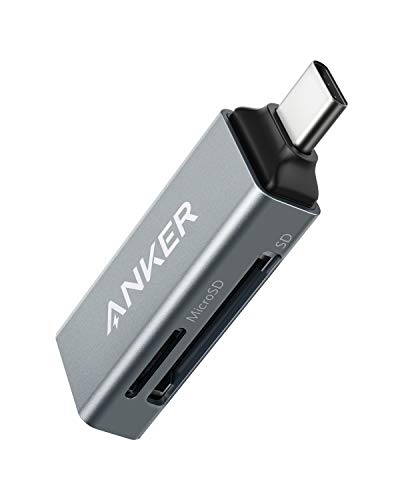
The Anker reader combines a standard and microSD slot in a compact, travel-friendly form factor. It’s optimized for USB-C devices, including recent MacBooks and Android devices, enabling quick transfers from camera cards to a laptop or phone. Its simple, lightweight design makes it a solid choice for on-the-go workflows where space and weight matter, while maintaining reliable compatibility with common camera card formats.
xdgeLoad USB-C SD Card Reader

The xdgeLoad reader features a dual-slot, USB-C interface designed for seamless transfers of SD and Micro SD cards. It supports bi-directional transfer and is built to work with iPhone, iPad, Mac, and cameras. The device emphasizes a clean, single-port connection that minimizes port blockage—usable in outdoor shoots or travel when you need a tidy setup with stable performance.
CULGC SD/TF and USB Card Reader

The CULGC reader combines USB-C and Lightning interfaces, supporting SD, Micro SD, and USB drives. It aims at multi-device versatility, especially for Apple ecosystems and newer laptops, while offering high-speed data transfer up to 5 Gbps. The dual-interface approach helps photographers who use both iOS devices and traditional computers, enabling smoother workflow transitions between devices in the field.
Buying Guide: Key Considerations for Card Readers
- Compatibility: Check that the reader supports your primary card formats (SD, microSD, CF, MS) and is compatible with your devices (Windows, Mac, iOS, Android, USB-C laptops).
- Transfer Speed: USB 3.0/3.1 and USB-C readers offer faster transfers. Real-world speeds depend on card class (UHS-I/II) and host port.
- Power and Bus Design: Bus-powered readers rely on the host device for power. Some units include integrated power features or better power management for high-capacity cards.
- Portability: For on-location work, consider size, weight, and whether the reader supports multiple card types in a compact chassis.
- Durability: If you work outdoors or in harsh environments, look for rugged housings or protective casings and water/dust resistance features.
- Future-Proofing: USB-C or dual-interface models offer broader compatibility with new devices and future cameras.
- Software Requirements: Most readers are plug-and-play, but a few may need drivers on older systems. Verify compatibility with your operating system version.
- Simultaneous Access: Some readers support reading multiple cards at once; this can save time when offloading large shoots.
- Apple Ecosystem: If you frequently transfer to iPhone or iPad, ensure the reader includes Lightning or USB-C support for your setup.
When selecting a card reader for camera work, balance speed, format support, and device compatibility with your typical workflow. A versatile 4-in-1 reader is advantageous for mixed gear, while a compact USB-C reader may excel for quick transfers on laptops and mobile devices. The options above provide a spectrum from ultra-portable to multi-card, catering to professional photographers and enthusiasts alike.