Best Cameras That Use Cellular Data for Remote Monitoring
This guide highlights top cellular-enabled cameras that work without traditional Wi‑Fi, ideal for remote properties, job sites, farms, and rural locations. Each option uses a built‑in SIM and solar or battery power for true wireless operation. Below is a quick snapshot of five standout models, followed by in‑depth sections and a practical buying guide to help you compare plans, power options, and coverage.
| Product | Brand | Power | Key Feature |
|---|---|---|---|
| 4G LTE Cellular Security Camera No Internet Needed | HOSAFE.COM | Solar/Battery | 270° PTZ, 2K Color Night Vision, 360° Live View |
| SEHMUA 4G LTE Cellular Solar Security Camera | SEHMUA | Solar | 360° Live View, 2K Color Night Vision, Built‑in SIM |
| Tefrio No WiFi Security Camera with 4G SIM | Tefrio | Solar | 360° Live View, 2K Color Night Vision, Real‑time Alerts |
| LIWAN 4G LTE Cellular Security Camera | LIWAN | Solar | 2K Color Night Vision, 2‑Way Talk, PIR Motion |
| Loatos Trail Camera With Built‑In SIM | Loatos | Solar/Battery | 2K Live Feed, Unlimited Data Plans |
4G LTE Cellular Security Camera No Internet Needed

The HOSAFE.COM device is a completely wireless security camera designed for locations without traditional power or internet access. It relies on a solar panel and rechargeable battery, connecting to 4G LTE via its own SIM card. This design delivers a wire-free installation suitable for job sites, remote farms, or vacation properties. Its PTZ capability (270° pan, 90° tilt) and a 2K color night vision system deliver broad coverage and clear daytime and nighttime imagery. Four LED spotlights further enhance visibility, enabling color footage after dark. A built‑in PIR sensor drives motion detection, triggering alerts to a connected phone as soon as activity is detected. This model is ideal where wired options aren’t feasible and cellular service is available in the area.
Strengths include true wireless setup, high‑quality 2K video, and versatile viewing angles. Potential considerations involve data plan costs and ensuring steady cellular signal in the installation area. The device’s solar power means energy independence, but users should confirm sun exposure and battery management to maintain around‑the‑clock operation. Overall, it’s a solid pick for remote surveillance where wiring would be costly or impractical.
SEHMUA 4G LTE Cellular Solar Security Camera

The SEHMUA cellular camera is designed for remote sites with no Wi‑Fi and no external power. It comes with a built‑in 4G SIM and a 32GB memory card, plus a solar power solution to maintain operation without wiring. The camera supports 360° live viewing and 2K color night vision, delivering detailed footage around the clock. A PIR motion sensor helps minimize false alerts by detecting human, vehicle, or animal movement, and a built‑in two‑way audio system enables real‑time communication. An important consideration is the optional data plan—while an included SIM offers a seven‑day trial, ongoing service requires a subscription that the user must manage via the app to suit their monitoring needs.
In practice, SEHMUA provides a reliable off‑grid security solution with strong daytime and nighttime imagery, remote management via cellular networks, and solar independence. Users should assess 4G coverage at the installation site and be prepared to manage data plan costs based on usage and number of cameras deployed.
Tefrio No WiFi Security Camera With 4G SIM

The Tefrio camera is engineered for off‑grid operation, powered by solar energy and a built‑in battery. It requires a 4G network connection rather than Wi‑Fi and is positioned as a practical solution for remote locations such as farms, cabins, or driveways. Its 360° live view and 2K color night vision deliver comprehensive coverage at any hour. Real‑time alerts push to a connected device when motion is detected, enabling prompt responses. The device emphasizes ease of setup in non‑wired environments and supports ongoing monitoring through a dedicated mobile app. As with similar models, confirming 4G coverage and data plan options is essential before purchase.
Pros include robust off‑grid performance and wide coverage. A potential drawback is ongoing data subscription requirements, which vary by plan. This model suits users who need seamless remote monitoring without power or Wi‑Fi infrastructure and can tolerate subscription management for cellular data.
LIWAN 4G LTE Cellular Security Camera
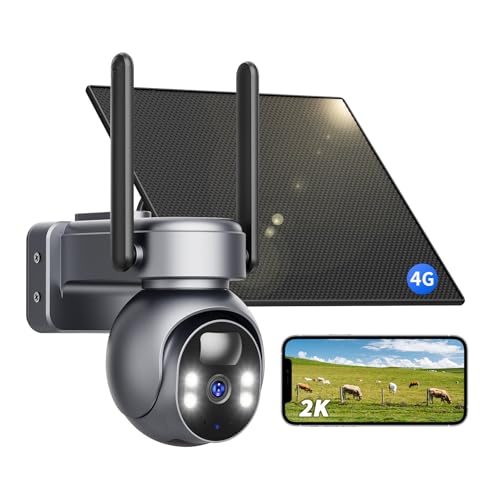
LIWAN offers a no‑WiFi, off‑grid security camera with a built‑in SIM card and solar power. The device is designed for challenging sites such as job sites, ranches, barns, and remote warehouses. Its 2K color night vision and PIR motion detection help capture clear footage and reduce false alarms, while two‑way talk enables on‑site communication. The solar panel and rechargeable battery provide ongoing power, which is critical for places lacking dependable electrical infrastructure. The plan structure requires a subscription for unlimited data, with a note that private SIMs are not supported. This model aims to balance long‑term reliability with flexible, scalable data options.
Key considerations include ensuring compatible network bands for your region and evaluating data plan pricing against anticipated camera count and activity levels. The LIWAN camera is well‑suited for sites needing durable hardware and energy‑efficient operation in a solar environment.
Loatos Trail Camera With Built‑In SIM

The Loatos cellular trail camera includes a built‑in SIM and is optimized for major U.S. networks (Verizon, T‑Mobile, AT&T). It offers a 2K live feed with multiple users able to view simultaneously, and a 940nm infrared system to minimize disturbance during night recording. The device is solar powered and designed for remote scouting or wildlife monitoring. A key advantage is the available unlimited data plan options, including a two‑year plan at a fixed monthly rate, which can be cost‑effective for long‑term users. The camera ships with a 32GB memory card, enabling immediate storage and playback of captured media.
This model emphasizes data plan versatility and cloud storage options via AI features, which can improve event accuracy and reduce unnecessary alerts. Pros include strong live streaming capabilities and off‑grid reliability; users should confirm signal strength in the deployment area and compare data plan lengths and costs to determine the best long‑term value.
Buying Guide: Key Purchase Considerations For Cellular Security Cameras
- Network Coverage: Verify 4G LTE/5G availability and the appropriate bands at the installation site. Rural areas may rely on specific carriers with stronger signal strength.
- Power Source: Solar panels and rechargeable batteries offer true wireless operation, but sun exposure, panel size, and battery capacity affect uptime. Consider backup power options for extended cloudy periods.
- Video Quality: 2K or higher video resolution enables clearer identification at distance, especially for daytime and color night footage. Assess storage needs and data usage tied to higher resolutions.
- Motion Detection: PIR sensors and AI-based detection help minimize false alerts. Evaluate detection ranges and the ability to differentiate people, vehicles, and animals.
- Data Plans: Many cameras include a trial SIM or require ongoing data subscriptions. Compare monthly vs. yearly plans, per-camera costs, and whether cloud storage is included or optional.
- Security and Privacy: Ensure devices support secure pairing, password protection, and firmware updates. Consider camera placement to avoid unnecessary exposure to the public network.
- Environmental Durability: Look for IP ratings (e.g., IP65/IP66) and temperature tolerances suitable for the installation climate, whether harsh sun, rain, or freezing conditions.
- Ease of Use: Mobile app interfaces, remote viewing, and multi‑user access affect day‑to‑day management. Check for features such as live view, instant push alerts, and cloud backups.
- Privacy Regulations: Be mindful of local laws governing surveillance and data retention, especially in shared properties or job sites with visitors.
- Scalability: If you plan multiple cameras, evaluate data plan tiering, central monitoring capabilities, and whether the system supports centralized management across devices.
In summary, cellular security cameras provide viable, maintenance‑light surveillance for off‑grid locations. Pros include true wireless operation, broad coverage, and flexible placement. Cons can involve ongoing data costs and reliance on cellular signal. For best results, match the camera to your site’s power and network conditions, evaluate data plans carefully, and consider future scalability when choosing between single‑unit setups and multi‑camera systems.