Best Drone Camera Attachments for Aerial Filming and FPV
Finding the right camera accessory can improve stability, image quality, and control for drone pilots. This article highlights five versatile camera modules and mounts you can attach to drones, covering FPV cameras, lightweight mini cams, and mounting extensions. Each option offers different sensor sizes, lenses, and compatibility to suit hobbyists and beginners alike. Read on to compare features, weight, and practical use cases, plus a buying guide to help you choose the best match for your drone and intended flights.
| Product | Brand | Key Benefit | Best For |
|---|---|---|---|
| Readytosky Mini 1000TVL FPV | Readytosky | Low-weight FPV with NTSC/PAL switch | First-person FPV setups |
| Drone with Camera – Wheat Run | Wheat Run | Stability features and trajectory flight | Beginner to intermediate flying |
| Readytosky 2000TVL FPV Mini Camera | Readytosky | Starlight HDR sensor, high resolution | Low-light flying |
| Readytosky 1200TVL FPV Camera | Readytosky | Compact size with CMOS sensor | Compact builds |
| DUMBORC RC Car Camera 5.8Ghz FPV | DUMBORC | Mini FPV camera for versatile mounting | DIY projects beyond drones |
The following selections emphasize reliable image quality, compact form factors, and straightforward mounting. Each product section provides a concise overview, a direct link to the Amazon listing, and practical considerations for drone compatibility and usage scenarios. All information is based on listed features and typical FPV and mounting needs.
Readytosky Mini 1000TVL FPV Camera

The Readytosky 1000TVL FPV camera provides a compact, lightweight option suitable for tight drone builds. It features a 1/3″ CCD sensor and a 2.8mm wide-angle lens, offering a broad field of view. The device supports NTSC and PAL, allowing compatibility with various transmitters and video receivers. With a 5-20V power range, this camera is adaptable to common drone power systems. Its emphasis on color quality and stability makes it a practical pick for FPV pilots prioritizing real-time feedback and reliable performance in DIY setups.
Ideal uses include micro or toy-grade drones where weight is a constraint, as well as custom FPV rigs where a switchable video standard reduces integration friction. The high sensitivity of the 1/3″ CCD helps maintain clear images in moderate lighting. When selecting a mounting position, consider vibration isolation to preserve image clarity and minimize rolling shutter effects during fast maneuvers.
Wheat Run Drone With Camera
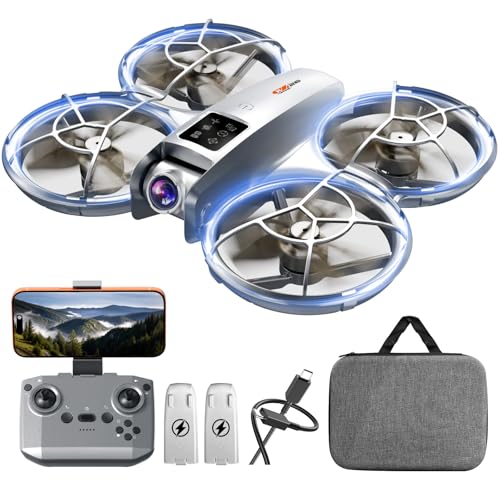
This Wheat Run drone emphasizes stability features and user-friendly flight aids. It includes optical flow positioning to help hover precisely and reduce drift, which is valuable when capturing stable video or photos in variable wind conditions. The brushless motor design contributes to smoother flight performance and longer-lasting operation, while full-coverage propeller guards add a safety layer during indoor or beginner outdoor flights. The combination makes it suitable for learners seeking reliable aerial footage without complex setup.
In practice, the drone’s altitude hold and hover stability support steady framing for beginners learning camera angles. For drone-to-camera mounting, ensure the camera housing is securely attached and balanced, avoiding any skew that could affect flight control. The included guarding helps protect both the drone and bystanders during practice sessions or family flights.
Readytosky 2000TVL FPV Mini Camera

The Readytosky 2000TVL FPV mini camera uses a 1/1.8″ Starlight HDR sensor and a 2.1mm lens, aimed at delivering high-definition imagery with low-light performance. The 16:9 aspect ratio and the separate OSD feature support make it suitable for pilots who want clearer video feeds for monitoring flight telemetry and camera framing. The camera’s low power consumption helps extend flight times on smaller builds where every milliwatt counts.
When integrating, verify the mounting orientation to preserve the intended field of view. Starlight sensors excel in shaded or twilight environments, but adequate illumination remains beneficial. The compact design simplifies placement on multi-rotor frames with limited space, and it pairs well with lightweight VTX and antennas to maintain agility on racing or cinematic FPV flights.
Readytosky 1200TVL FPV Camera
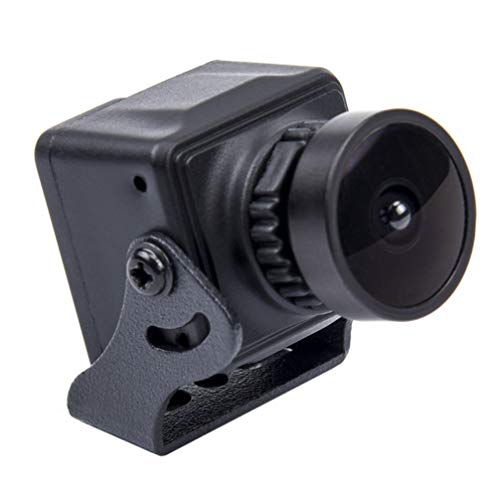
The Readytosky 1200TVL FPV camera is a compact, CMOS-based option with a 2.5mm lens. Its small footprint suits lightweight builds and quick swaps in custom rigs. The 1200TVL resolution offers a balance between clarity and bandwidth efficiency, making it a practical choice for FPV racers or aerial videographers who want crisp images without excessive data load. The design emphasizes ease of installation, appealing to hobbyists who frequently adjust their gear.
Key mounting considerations include ensuring a flat, vibration-minimized surface to prevent image jitter. The camera’s CMOS sensor is generally more tolerant of motion, but securing the unit with anti-vibration dampers can further improve image stability during sharp turns or high-speed passes.
DUMBORC RC Car Camera 5.8Ghz FPV

This mini FPV camera from DUMBORC is designed for 5.8GHz video transmission with 48 channels and a 25mW output. Its ultra-lightweight profile (about 4.5 g) makes it suitable for a variety of platforms beyond drones, including RC cars and boats. The compact form factor allows easy integration into small frames or custom builds where weight savings matter. The kit includes a camera bracket for quick mounting, offering flexibility in positioning for different flight styles or ground applications.
When planning a drone integration, confirm compatibility with your VTX frequency and ensure the camera’s mounting location minimizes prop wash and vibration. Since the unit is designed for DIY projects, additional shielding or power conditioning may improve performance in high-interference environments.
Hooshion Multifunctional Clamp Mount Extension
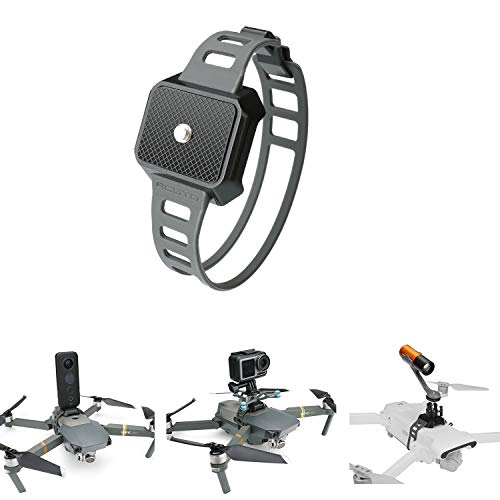
The Hooshion clamp mount provides a universal attachment solution for a range of Mavic and other drone models, along with compatibility for action cameras and display/open-frame sensors. Its silicone-based construction aims to resist wear and tear, with adjustable mounting options to fit different fuselage shapes. The product supports stable installation through multiple fixed configurations, reducing vibration-induced blur and ensuring the camera remains in frame during dynamic maneuvers.
In practice, this extension mount can be valuable for adding an extra camera or repositioning an existing one without major frame modifications. Ensure the clamp does not interfere with propellers or gimbal systems, and verify the weight distribution to maintain flight stability on heavier builds.
BTG DJI Mavic Air 3S/ Air 3 Action Camera Mount
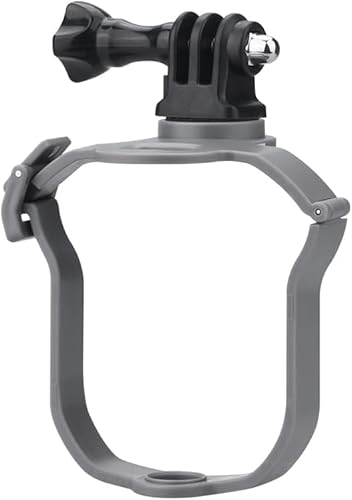
This BTG mounting solution targets popular drones like the Mavic Air 3S and Air 3, extending compatibility to action cameras and Insta360 accessories. The kit’s standard 1/4-inch screw compatibility enables quick installation of cameras and lights with bottom mounting holes. It includes a gift adapter and supports devices with 1/4-inch mounting holes, making it adaptable for additional optics or night lighting gear. The mount is designed for straightforward installation on certain DJI platforms and other brands with similar mounting patterns.
Practical considerations include ensuring that any added weight does not compromise flight time or balance. Check the bottom screw alignment and ensure the device’s footprint does not collide with the drone’s venting or gimbal range. For multi-camera setups, plan a secure power and data path to avoid interference during rapid maneuvers.
Top Race Drone Clip Remote Control Object Launcher

The Top Race Drone Clip offers a specialized payload release capability for most mid-size to heavy-lift drones, enabling product launch or drop operations with a 300-foot control range. This accessory is designed for quick installation around the drone frame, using included straps to secure it during flight. The system supports launches up to two pounds, which broadens potential uses for tasks like drop-testing or payload delivery demonstrations.
For drone pilots evaluating payload attachments, consider regulatory and safety guidelines for dropping devices from the air. Ensure secure integration of the clip to avoid accidental releases and that the payload’s center of gravity remains within the drone’s flight envelope. Battery management and flight planning should account for the added drag and weight during operation.
Buying Guide: Key Purchase Considerations
Choosing the right camera attachment for a drone depends on weight, sensor performance, and compatibility with your flight controller and transmitter. Consider the following:
- Weight and balance: Lighter cameras reduce strain on power systems and improve handling, especially on smaller quads. Ensure the added weight does not shift CG beyond the drone’s design tolerances.
- Sensor quality: Higher TVL or HDR capabilities improve perceived image clarity, particularly in mixed lighting. For night or dusk flying, look for sensors with enhanced low-light performance.
- Power requirements: Verify compatible voltage ranges and ensure the camera power draw aligns with the drone’s power system to avoid voltage sag during flight.
- Video standards: NTSC vs PAL compatibility can affect frame rates and display on ground stations; choose accordingly for your transmitter/receiver setup.
- Mounting and vibration: Use dampers or silicone mounts to minimize camera shake. Secure mounting prevents image jitter during aggressive maneuvers.
- Environmental tolerance: If flying outdoors, consider weather resistance, wind resilience, and debris protection for the camera and mount.
- Legal and safety considerations: Be aware of local regulations regarding FPV operation and payload deployments or releases from drones.
In summary, selecting a drone camera attachment should align with the drone’s form factor, your flight style, and the intended use—whether FPV racing, cinematic shots, or payload applications. The options listed above provide a range of sensor types, mounting strategies, and compatibility to help you tailor your setup to your next flight.