Best 50mm F/1.8 Lenses for Crisp Portraits and Low-Light Shooting
Searching for a versatile fixed focal-length lens that delivers sharp portraits, creamy background blur, and solid performance in low light? A 50mm f/1.8 prime is a timeless choice across Canon, Nikon, Sony, and more. This guide highlights five well-regarded options and explains how to pick the right one for your camera system, shooting style, and budget. Each lens below is paired with its notable strengths to help you compare quickly and choose confidently.
| Product | Brand | Focal Length / Aperture | Key Strengths |
|---|---|---|---|
| Canon EF 50mm f/1.8 STM Lens | Canon | 50mm f/1.8 | Portraits, budget-friendly, solid for beginners |
| Canon RF50mm F1.8 STM | Canon | 50mm f/1.8 | Compact, lightweight, great for EOS R mirrorless |
| Sony FE 50mm F1.8 | Sony | 50mm f/1.8 | Compact, excellent for full-frame Sony |
| Nikon NIKKOR Z 50mm f/1.8 S | Nikon | 50mm f/1.8 | Sharp, quiet AF for Z-series mirrorless |
| YONGNUO YN50mm F1.8N for Nikon F | YONGNUO | 50mm f/1.8 | Affordable option with AF/MF and full-frame suitability |
Note: The list includes a mix of Canon, Sony, and Nikon options to cover popular ecosystems. Each lens listed emphasizes a bright f/1.8 maximum aperture that helps separate subjects from backgrounds and perform well in dimly lit scenes without resorting to high ISO levels.
Canon EF 50mm f/1.8 STM Lens – Classic Portrait Prime

The Canon EF 50mm f/1.8 STM is a long-standing favorite among budget-conscious photographers. With a 50mm focal length, it offers a natural perspective suitable for portraits, street photography, and everyday scenes. The wide f/1.8 maximum aperture enables shallow depth of field for subject separation and strong low-light performance. Its compact build and affordable price point make it an attractive entry point for Canon DSLR users. The lens features a moderate angle of view (40º horizontal, 27º vertical, 46º diagonal) and a close focusing distance of 1.15 feet, delivering a usable magnification for closer shots.
Pros: Lightweight design, affordable, reliable performance for beginners and enthusiasts. Cons: Build quality is basic, autofocus can hunt in very low light, and the autofocus motor isn’t as fast as modern high-end primes.
Canon RF50mm F1.8 STM – Compact Canon EOS R Lens

For Canon’s EOS R system, the RF50mm F1.8 STM offers a fixed focal length with a bright f/1.8 aperture in a compact, lightweight package. The STM motor provides smooth, quiet autofocus during both stills and video, making it a practical choice for hybrid shooters who value portability. The lens excels in low-light scenes, event photography, and creative background blur, while its short length keeps camera handling nimble for street and travel shoots.
Pros: Small and portable, strong low-light performance, excellent AF for video. Cons: Autofocus can be slower in very dim light, and the lens isn’t particularly rugged for tough field use.
Sony FE 50mm F1.8 Standard Lens

Sony’s FE 50mm F1.8 is a compact, lightweight prime designed for full-frame Sony E-mount cameras. The bright f/1.8 aperture enables smooth bokeh and reliable performance in lower light. A 7-blade circular aperture contributes to pleasing background blur, making it a versatile option for portraits, street photography, and general purpose shooting. Its compact footprint makes it a popular travel-friendly lens for Sony shooters with a focus on portability.
Pros: Excellent size-to-performance ratio, strong image quality, suitable for entry to mid-level Sony bodies. Cons: Autofocus performance is good but not the fastest among newer Sony primes, and build quality is modest compared to premium lenses.
Nikon NIKKOR Z 50mm f/1.8 S
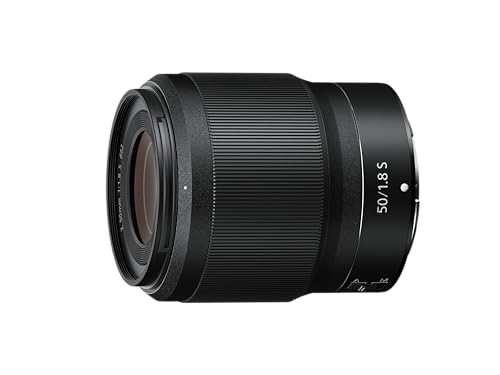
The Nikon NIKKOR Z 50mm f/1.8 S is a premium standard prime for Z-series mirrorless cameras. It delivers sharpness across the frame, fast and quiet autofocus, and excellent performance in low light thanks to a bright f/1.8 aperture. The lens is well-suited for portraits, street photography, and everyday shooting, with a modern design, sturdy build, and minimal distortion. It’s a strong choice for Nikon users seeking high image quality with reliable autofocus performance.
Pros: Outstanding sharpness and contrast, smooth AF, well-balanced for Z-mount cameras. Cons: Higher price relative to third-party options, size is slightly larger than non-S variants.
YONGNUO YN50mm F1.8N – Nikon F-Mount
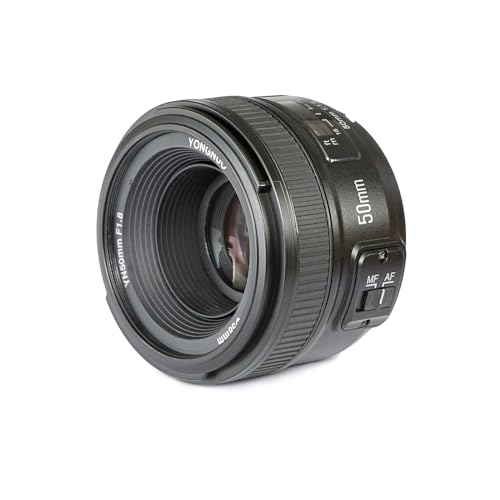
The YONGNUO YN50mm F1.8N is a budget-friendly prime designed for Nikon F-mount DSLRs. It supports both autofocus and manual focus, with a large maximum aperture that enhances low-light performance and depth of field control. It’s a practical option for photographers beginning with Nikon DSLRs or those building a lightweight prime kit without a large investment. The lens includes features like gold-plated contacts for improved conductivity and overall compatibility with Nikon bodies that support AF and MF modes.
Pros: Affordable entry point, versatile AF/MF options, good for beginners and budget-conscious shooters. Cons: Autofocus speed and consistency can vary with camera body, build quality is not premium, and some chromatic aberration can appear at wide apertures.
Buying Guide: How To Pick The Right 50mm f/1.8
Key considerations affect which 50mm f/1.8 lens is best for you. Here are the main factors to evaluate:
- Camera system and mount compatibility: Ensure the chosen lens matches your camera brand and mount (Canon EF, Canon RF, Sony E, Nikon Z, Nikon F, etc.).
- Sensor size and field of view: A 50mm offers a natural perspective on full-frame bodies; on APS-C bodies, it functions as a moderate short-telephoto, effectively increasing the field of view to around 75mm equivalent. If you shoot crop sensors often, consider how that affects framing.
- Image quality and sharpness: Most 50mm f/1.8 lenses deliver strong sharpness when stopped down slightly (f/2.0–f/4). At f/1.8, you’ll often see pleasing bokeh but potential softness at the very edges or in corners on some cheaper designs.
- Autofocus performance: For action, events, and video, AF speed and tracking matter. Third-party options may vary in AF accuracy compared with native glass, depending on the camera body.
- Size, weight, and handling: Lighter lenses improve portability and balance, especially on mirrorless bodies with compact bodies. If you travel often, a compact 50mm prime is appealing.
- Build quality and weather sealing: Entry-level primes tend to be plastic and light; premium designs offer better sealing and stability for outdoor use. Consider your shooting environment.
- Price to performance: Canon RF, Sony, Nikon, and third-party options provide varying value. Decide if you prioritize portability, AF speed, or the absolute sharpness edge for your needs.
Practical tips for getting the most from a 50mm f/1.8 lens:
- Use aperture finesse: At f/1.8, you’ll get a shallow depth of field ideal for portraits. Stopping down to f/2.8–f/4 often improves corner sharpness and overall image quality.
- Stabilization considerations: Many 50mm f/1.8 lenses lack built-in stabilization. If your camera body lacks stabilization, you may need faster shutter speeds or a tripod for low-light scenes.
- Focus methods: If your subject is stationary, manual focusing can be rewarding for precise control. For moving subjects, rely on AF with a single focus point or a small focus-recompose workflow to maintain accuracy.
- Creative uses: The 50mm focal length is well-suited to environmental portraits, street photography, and product shots. The bright aperture helps isolate details and create a cinematic look in video.
Across ecosystems, a 50mm f/1.8 lens remains a practical, affordable choice for building a versatile prime kit. Whether you’re capturing portraits, events, or street scenes, the options listed here provide a range of footprints, AF behaviors, and price points to fit different camera bodies and shooting styles.