Best APS-C Cameras for Video: Top APSC Mirrorless Picks
Choosing an APS-C mirrorless camera for video means balancing image quality, autofocus, and ease of use. The selection below highlights cameras that excel in 4K recording, reliable Dual Pixel AF or similar autofocus, and compact designs ideal for vlogging, travel, or on-the-go production. Each entry includes notable features to help compare performance in real-world shooting.
Summary of chosen products:
| Product | Brand | Key Video Features |
|---|---|---|
| Canon EOS R100 Kit | Canon | 4K video, 24.1MP APS-C, compact body |
| Canon EOS R50 Kit (5811C012) | Canon | 4K video, Dual Pixel AF II, vari-angle touchscreen |
| Sony Alpha ZV-E10 | Sony | 4K with full pixel readout, strong AF system |
| Canon EOS R50 Kit (5812C012) | Canon | 4K video, Dual Pixel AF II, lightweight kit |
| Canon EOS R50 V Kit | Canon | Video-centric features, PZ lens for smooth power zoom |
Canon EOS R100 Mirrorless Camera Kit

The Canon EOS R100 combines a compact body with a 24.1 MP APS-C sensor and a capable DIGIC 8 processor, delivering solid 4K video and crisp stills. Its approachable design makes it a strong starting point for creators who want reliable autofocus and straightforward controls. The camera’s lightweight form supports on-the-go shooting, while the native RF mount enables future lens upgrades without stepping out of the ecosystem.
Key video strengths include 4K recording and Canon’s Dual Pixel AF-style tracking, which helps maintain focus on moving subjects. The included RF-S 18-45mm kit lens offers flexible framing for everything from portraits to landscapes. For beginners, Auto settings and guided menus can shorten the learning curve without sacrificing video quality.
Canon EOS R50 Kit – 18-45mm Lens

The Canon EOS R50 Kit is designed for creators who want a balance of simplicity and performance. With a 24.2 MP APS-C sensor and an advanced DIGIC processor, it handles 4K video and smooth workflow tasks well. The Dual Pixel AF II system provides reliable subject tracking, while the vari-angle touchscreen supports flexible shooting angles for vlogs, tutorials, and on-camera demonstrations.
The included 18–45mm lens covers wide to standard focal lengths, making it a versatile daily kit for travel, interviews, and casual productions. The compact build and light weight help with long shooting sessions, and Canon’s ecosystem supports easy expansion with additional RF lenses in the future.
Sony Alpha ZV-E10 – Vlog Camera
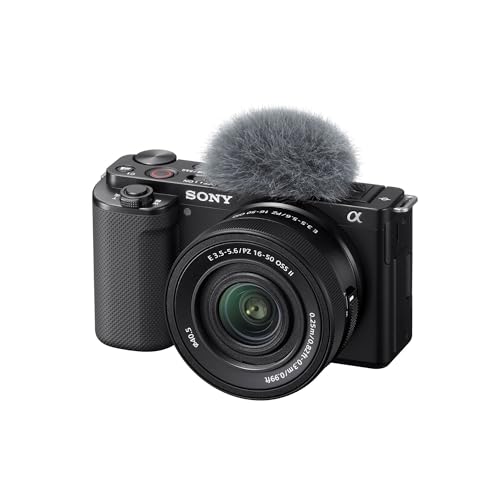
The Sony ZV-E10 is a popular option for video creators who prioritize autofocus performance and a flexible form factor. Its 24.2 MP APS-C Exmor CMOS sensor pairs with a capable BIONZ X processor, enabling sharp 4K video with minimal noise. The camera emphasizes quick focus transitions, making it suitable for talking-head videos, product showcases, and run-and-gun shoots.
Key strengths include a robust autofocus system, practical video features, and a user-friendly interface that supports quick setup for content creators. While it sits outside the Canon ecosystem, its features align well with YouTube and short-form video workflows where reliable tracking and ease of use matter most.
Canon EOS R50 Kit – 18-45mm and 55-210mm Lenses

The Canon EOS R50 Kit with RF-S 18-45mm and RF-S 55-210mm lenses provides a wider focal range for video applications. The camera features a 24.2 MP APS-C sensor with a DIGIC X processor, delivering crisp 4K footage and responsive Dual Pixel CMOS AF II. The kit’s lenses expand options for landscapes, portraits, and travel vlogging, while the lightweight body remains easy to carry on shoots.
Highlights include a versatile zoom range, reliable autofocus across focal lengths, and a streamlined user experience. This kit is well-suited for creators who want a compact system that can grow with their channel as they add more lenses over time.
Canon EOS R100 with RF-S 18-45mm Kit (Another Angle)

This variant of the EOS R100 kit emphasizes beginner-friendly operation with a 24.1 MP APS-C sensor and Dual Pixel AF-like capabilities. The kit lens covers everyday shooting needs, while the compact camera body makes it practical for travel and daily vlogging. It remains a solid introductory option for those who want dependable 4K video in a small footprint.
Buying Guide: Key Purchase Considerations
Choosing the right APS-C camera for video depends on several factors. Consider sensor size and image quality, autofocus performance, and video features that matter for your workflow. The following perspectives help compare options across brands and lenses:
- Autofocus System: Look for reliable subject tracking with eye detection, face detection, and smooth focus transitions when talking or presenting on camera.
- Video Resolution and Frame Rates: 4K is common, with some models offering Full HD high-frame-rate options for slow motion. Ensure the camera can oversample or de-bayer effectively for crisp footage.
- Lens Ecosystem: A kit that includes a versatile zoom (e.g., 18-45mm) provides flexibility for interviews, vlogging, and travel. Consider future RF or E-mount lens compatibility if you plan to expand.
- Body Design: A compact, lightweight body helps with hand-held shooting and mobility. A vari-angle or flip-out touchscreen can simplify vlogging and on-camera monitoring.
- Connectivity: Built-in Wi-Fi or Bluetooth, plus easy transfer to devices, supports quick editing and sharing workflows for creators.
- Accessories: Shoulder bags, memory cards, and extra batteries extend shooting sessions. Look for bundled kits that include essential extras for beginners.
- Budget and Growth Path: For new creators, an approachable kit with good autofocus and 4K capability offers a reliable learning curve. If you anticipate lens upgrades, a system with strong roadmap coverage may be more cost-effective long-term.
All models above provide a mix of beginner-friendly features and solid video capabilities. Your choice should align with your preferred workflow, whether you prioritize ease of use, autofocus reliability, or lens flexibility for future projects.