Best Anamorphic Lenses for DSLR Cameras and Mirrorless Setups
Discover top anamorphic lenses that deliver cinematic widescreen appeal for DSLR and mirrorless cameras. This guide covers practical options from reputable brands, highlighting squeeze factors, image characteristics, autofocus capabilities, and compatibility. Whether you shoot in 2.4:1 or 2.35:1 aspect ratios, these lenses help you achieve trademark oval bokeh, distinctive flares, and richer horizontal field of view. Below, five standout choices are summarized with key specs to help you compare quickly.
| Product | Brand | Mount / Format |
|---|---|---|
| SIRUI 50mm F1.8 1.33X APS-C | Sirui | E Mount / APS-C |
| SIRUI 40mm T1.8 1.33X S35 Autofocus | Sirui | E Mount / S35 |
| SIRUI 24mm Anamorphic 1.33X | Sirui | MFT / APS-C variants |
| SIRUI 35mm T2.9 1.6X Full-Frame | Sirui | RF / E / L mounts |
| GoPro Anamorphic Lens Mod | GoPro | HERO cameras |
SIRUI 50mm F1.8 1.33X APS-C Anamorphic Lens for E Mount

The SIRUI 50mm F1.8 1.33X is designed for E-mount cameras and achieves a wider field of view about 33% beyond a standard 50 mm lens. Its 1.33x squeeze enables a cinematic 2.4:1 look when composing for cinema formats. Built with high-quality glass elements and a compact profile, this lens emphasizes lightweight handling for run-and-gun shoots while offering a distinct blue flare characteristic in certain lighting. Autofocus is supported on modern Sony bodies, helping maintain smooth operation in dynamic scenes. This lens targets filmmakers seeking a ready-to-use anamorphic option with an accessible starting focal length.
SIRUI 40mm T1.8 1.33X Anamorphic Lens, S35 Autofocus

This SIRUI 40mm S35 anamorphic lens uses a 1.33x squeeze to deliver a 2.35:1 cinema frame in 16:9 workflows. It includes an autofocus system with an STM motor, supporting eye detection and subject tracking for smoother video performance. Blue and neutral flare options let you tailor the look to your scene, from clean to distinctly cinematic. The lens is optimized for Sony E-mount cameras and favors creators pursuing a broader field of view without sacrificing autofocus reliability for run-and-gun shoots.
SIRUI 24mm Anamorphic Lens F2.8 1.33X for APS-C
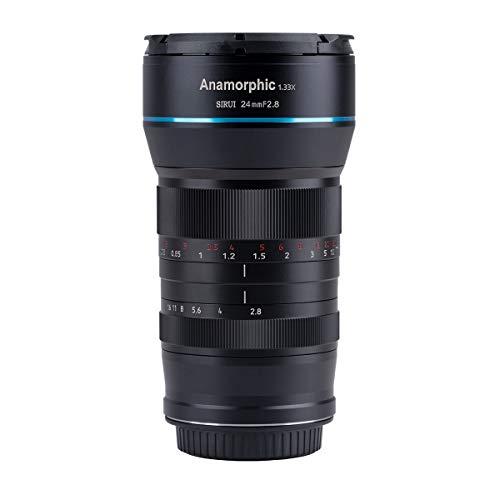
The 24mm option squeezes 1.33x horizontally to yield the classic 2.4:1 wide look, with a wider angle of view that helps capture expansive horizons. A key advantage is the dramatically reduced minimum focusing distance, down to around 0.6 meters, which makes close-in shots feasible in tighter spaces. Beyond video, this lens can elevate still photography with its distinctive anamorphic look—oval bokeh, blue light streaks, and a cinematic silhouette that stands out in 16:9 and 3:2 frames.
SIRUI 35mm T2.9 1.6X Full-Frame Anamorphic Lens

This full-frame anamorphic lens features a 1.6x squeeze, offering the widest horizontal field and the most pronounced cinematic look. It supports multiple mounts (RF, E, L, Z) to pair with popular DSLR and mirrorless camera bodies. The 2.4:1 cinematic output works particularly well in 3:2 or 16:9 modes with excellent flare behavior and creamy oval bokeh—making it a strong choice for projects seeking a classic big-screen aesthetic on full-frame sensors.
GoPro Anamorphic Lens Mod (Cinematic Ultra Wide)

The GoPro Anamorphic Lens Mod is designed for action cameras but is included here as a compact anamorphic option for dynamic shoots. It yields an ultra-wide 21:9 aspect with horizontal flares and reduced distortion at the edges. In-camera de-squeezing allows immediate viewing of the anamorphic effect, simplifying the post-production workflow for quick-turn projects or on-the-go productions where a full cinema setup isn’t feasible.
Buying Guide: Key Purchase Considerations
- System compatibility: Verify your camera mount (EF, RF, E, L, MFT, etc.) and whether the lens supports autofocus or manual focus, and whether any adapters are needed for your body.
- Squeeze factor and aspect ratio: Common options include 1.33x and 1.6x, which influence the final 2.35:1 or 2.4:1 look. Higher squeeze yields more pronounced cinema aesthetics but requires careful framing and desqueezing in post.
- Image quality and glass: Premium glass minimizes distortion, ghosting, and chromatic aberration. Consider lenses with Schott glass elements or other high-end optics for sharpness across the frame.
- Autofocus performance: If you’re shooting run-and-gun or interview-style video, autofocus efficiency matters. Look for STM or similar motor integrations for reliable subject tracking.
- Flares and color rendering: Some lenses provide intentional blue or neutral flares. Decide whether you want a stylized look or a more neutral image with subtle anamorphic characteristics.
- Weight and handling: Anamorphic lenses can be heavier or longer than standard lenses. Ensure your rig can balance the lens with your camera setup for steady handheld use or gimbal work.
- Post-production workflow: Desqueezing is often required. Check compatibility with your editing software and whether you’ll desqueeze in-camera or in post for your preferred pipeline.
- Budget vs. versatility: More affordable 1.33x options are great for beginners; higher-end 1.6x or full-frame designs offer stronger cinematic looks and broader compatibility with professional projects.
- Mount versatility: Lenses that support multiple mounts (RF, EF, E, etc.) provide future-proofing if you plan to upgrade bodies or switch systems.