Best 8mm Camera Film for Classic Footage and Easy Scanning
This guide highlights top 8mm camera films and related gear that help recreate the warm, vintage look of early home movies. The selections cover color negative, color reversal, black-and-white options, and compatible 8mm film formats like Double 8. Each entry notes film type, format, and key attributes to help you compare at a glance. A concise buying guide follows to aid in choosing the right film for your project, whether you’re preserving family memories or exploring retro filmmaking.
| Product | Format | Type | Key Feature |
|---|---|---|---|
| Kodak Super 8 Color Negative VISION3 50D 7203/50′ Cartridge | 8mm | Color Negative | VISION3 50D color chemistry |
| Kodak Super 8 Color Reversal, Ektachrom 100D 7294/50′ Cartridge | 8mm | Color Reversal | Extremely saturated colors, neutral gray scale |
| Foma Fomapan R100 Black & White Reversal Film | 8mm/Double 8 | Monochrome Reversal | True black-and-white reversal film |
| Fujifilm P6-120 8MM (2-Pack) | 8mm | Color | Sharp images, vivid color |
| Sony Standard Grade 8mm Camcorder Videotape Cassette | 8mm Tape | Analog Tape | 120 minutes recording time |
Kodak Super 8 Color Negative VISION3 50D 7203/50′ Cartridge

- Film Width: 8mm
- Film Length: 50 feet (15 meters)
- Perforation: Super 8
- Type: Color negative using VISION3 chemistry
This Kodak option uses Vision3 color negative chemistry designed for Super 8 films, delivering accurate color reproduction and strong exposure latitude. It suits archival projects and home movies intended for restoration or digitization. Availability of a 50-foot cartridge supports longer takes without frequent changes, making it convenient for casual shooters and enthusiasts alike.
Kodak Super 8 Color Reversal, Ektachrom 100D 7294/50′ Cartridge

- Movie Color Reversal Film
- Extremely saturated colors with a neutral gray scale and accurate skin tones
- Processing: E-6
- Format: 8mm, 50 feet
Reversal (color-positive) film like this Kodak option is prized for its bold color rendition and straightforward scanning experiences. The saturated hues and clean skin tones make it a popular choice for retro-style footage and demonstrations of 8mm aesthetics without post-production color grading.
KODAK REELS 8mm & Super 8 Films Digitizer Converter

- Digitizes 3”, 5”, 7”, 8” or 9” reels
- Frame-by-frame scanning to MP4 (no sound)
- 5” onboard LCD for viewing and adjustments
- USB transfer to PC or SD card (SD card not included)
This flatbed-style digitizer turns physical film into digital media without a computer for basic workflows. It’s valuable for preserving vintage footage, allowing quick conversion and sharing. It does not replace high-end archival methods but offers a practical path to modern viewing on TVs or mobile devices.
Kodak Ultramax 400 Color Print Film 36 Exp. 35mm (3 Pack)
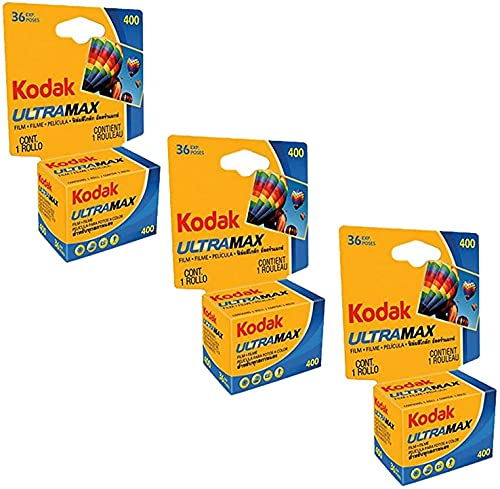
- 3-pack 35mm color print film
- Includes 108 exposures (36 exp per roll)
- DX code compatible for easy camera loading
- Currency of origin: China
Though not 8mm,Kodak Ultramax 400 is included for photographers exploring mixed formats or who want a reliable consumer-grade film for 35mm projects that pair with 8mm-era storytelling when combined in a broader nostalgic reel analysis or hybrid projects.
Foma Fomapan R100 Black & White Reversal Film

- True black-and-white reversal film
- 2x8mm, Double 8 standard, 10 meters
- Frame size: 4.8mm x 3.5mm; 264 pictures per meter
- Not intended for reels
This black-and-white reversal option delivers a classic monochrome look with distinctive grain structure, appealing to creators seeking a vintage, high-contrast aesthetic. Its Double 8 format suits experimental shooters exploring small-format film projects or artful archives.
Sony Standard Grade 8mm Camcorder Videotape Cassette

- 120 minutes recording time
- 8mm camcorder tape format
- Reliable for older consumer-grade equipment
For shooters using an 8mm camcorder, compatible tapes are essential. Sony’s standard-grade option provides ample recording time, though availability may vary by region. It remains a practical choice for preserving ongoing nostalgia projects with older gear.
Buying Guide
Key purchase considerations for 8mm film projects include format compatibility, color versus black-and-white aesthetics, and the intended end-use of the footage. Here are main perspectives to weigh:
- Format compatibility: Decide between 8mm film stock (color negative, color reversal) and Double 8/8mm variants. Reversal films show a positive image with punchy colors, while negative films require color grading during digitization but offer broader processing flexibility.
- Color vs. black-and-white: Color options provide nostalgia with vivid hues, while black-and-white reversal film delivers a classic, timeless look. Consider the lighting environment and the story you want to tell when choosing.
- Processing and digitization: Color negative films often require C-41 or professional lab processing, whereas reversal films can be scanned directly or processed per lab specifications. Reversal films tend to scan with bright contrast, and digitizers like Kodak REELS simplify frame-by-frame work for digital preservation.
- Equipment compatibility: Confirm your 8mm camera’s compatibility with the film width and perforation style (Super 8 vs. standard 8). If you plan to digitize, verify support for your scanner or digitizer’s film formats (including frame size and frame-by-frame transfer options).
- Archival goals: For long-term preservation, choose film stocks with known chemistry and stable archival records. Pair film choices with a reliable digitization workflow to minimize color drift and contrast loss over time.
- Cost and availability: Some film types may be harder to source due to aging stock or limited production. Plan ahead and consider alternative options that match the desired look and archival intent.
When evaluating options, balance the creative look you want with practical considerations like processing requirements, equipment compatibility, and the intended final format. A mix of color and monochrome options can offer flexibility for diverse archival projects or multi-format storytelling.