Best 360 Cameras for VR: Top Picks for Immersive 360° Content
Choosing a 360 camera for virtual reality (VR) storytelling requires balancing resolution, stabilization, field of view, and ease of editing. This guide highlights five notable options that pair strong VR-friendly features with reliable performance in diverse conditions—from action-packed adventures to studio-style tours. Each model offers distinctive strengths, helping you capture immersive footage for VR platforms, livestreams, or professional virtual tours.
| Product | Key Strengths |
|---|---|
| Insta360 X3 | 5.7K 360 Active HDR, dual 1/2″ 48MP sensors, AI reframing, waterproof, strong stabilization |
| DJI Osmo 360 | 1-Inch sensor, 8K 360° video, 170° wide view, robust low-light performance |
| AKASO 360 Weatherproof | 5.7K video, 360° Horizon Lock, AI tracking, rugged weatherproof build |
| Insta360 ONE X2 | 5.7K 360 capture, FlowState stabilization, waterproof, user-friendly editing |
| GoPro MAX (2025) | 5.6K60/5.6K30 options, dual-lens versatility, broad accessory ecosystem |
Insta360 X3: 360 HDR Creativity In Action

The Insta360 X3 combines 5.7K 360 capture with the power of a traditional action camera. It uses dual 1/2″ 48MP sensors to deliver high-resolution 360 photos and video, with 72MP stills options. The camera supports 360 Active HDR for dynamic range, and AI-powered reframing in the accompanying app lets creators select favored angles post-capture. This model is designed for outdoor and action contexts—waterproofed for challenging environments and equipped with stabilization to minimize shake during fast movement. In-the-box essentials include a protective pouch, charging cable, and user guide for setup and quick-start editing.
Key points to consider: 5.7K 360 video provides detailed panoramas, while AI reframing enables flexible storytelling without re-shoots. If you plan motorcycle journeys, winter sports, or on-the-go vlogs, the X3’s stabilization and HDR processing can help maintain a polished VR-ready output. The device’s touch interface and app-based editing streamline post-production, though we note that higher frame rates and post-processing may demand robust editing hardware.
Ideal use cases: immersive travel logs, action sports, and VR-ready tutorials where post-capture angle selection adds production value.
DJI Osmo 360: Concerts, Cityscapes, and Beyond

DJI’s Osmo 360 camera builds on a 1-inch sensor with native 8K 360° video and extensive built-in storage. The larger sensor helps in low-light conditions, delivering crisper panoramas when shooting in twilight or urban nights. With 8K resolution for VR-ready experiences and 105GB of onboard storage, creators can capture expansive scenes and stills with fewer compromises. The camera supports a 4K/120fps mode for slow-motion VR sequences and a wide 170° field of view for heightened immersion. The recorder’s build prioritizes reliability for sports, travel, and live events.
Key considerations: while the 1-inch sensor improves image quality, memory management and file handling at 8K require capable editing workflows. The Osmo 360 is well-suited for VR storytelling that demands high detail, such as interactive tours or immersive cityscapes. It suits creators who value sharp, vibrant VR footage and a straightforward editing pipeline.
AKASO 360 Weatherproof: Rugged 360 for All Terrain

AKASO’s 360 Weatherproof model targets durability without sacrificing 360° capture quality. It records in 5.7K resolution with a 2.29″ touchscreen for quick framing and review. AI features include tracking to maintain focus on subjects, plus 360° Horizon Lock to keep horizons stable during movement. The package typically emphasizes weather resistance, making this option appealing for outdoor adventures, marine environments, or rugged conditions where protections against the elements are important. The in-app stabilization contributes to smoother footage when shooting handheld or mounted on active gear.
Considerations: weatherproofing and stabilization are pivotal for VR footage captured in unpredictable environments. This model suits travelers, field educators, and action-seekers who need reliable performance in varied weather. The touch-focused interface aids quick setup in dynamic shoots, though more advanced editors may appreciate additional color-grading and post-processing controls.
Insta360 ONE X2: Flexible 360 for Pros and Enthusiasts
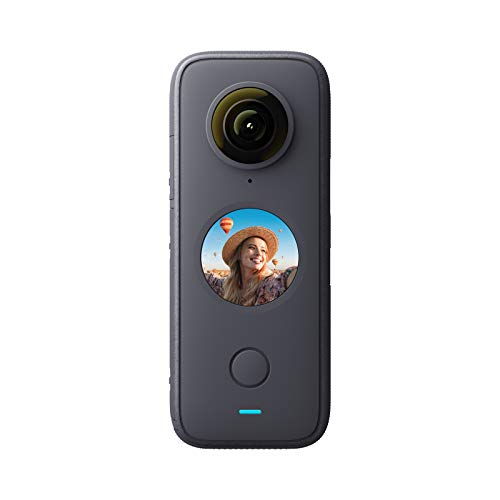
The Insta360 ONE X2 offers robust 360 capture with 5.7K resolution, FlowState stabilization, and waterproof design for versatile use. Its dual-lens configuration enables native 360 video with horizon leveling to minimize drift, while the AI editing capabilities simplify post-capture workflows. The camera’s compact form factor makes it a practical travel partner, and the live streaming feature broadens possibilities for real-time VR experiences or remote collaboration. The X2 supports multiple shooting modes, including single-lens options, enabling broader creative control for VR projects.
Core considerations: the X2 balances portability with performance, offering reliable stabilization and editing flow. For VR creators, its flexibility helps in capturing varied scenes—from action-packed scenes to portraits within a 360 environment. Editors will appreciate compatibility with Insta360’s editing ecosystem, though high-resolution VR footage can require substantial processing power.
GoPro MAX 360: Versatile VR With Accessory Power

GoPro MAX brings dual-lens 360 capture with 5.6K spherical video options, offering seamless transitions between 360 and standard HERO modes. The kit includes a broad accessory lineup, and the 1/4-20 mounting system expands compatibility with existing rigs and mounts. This model supports both 360° immersive footage and traditional action angles, enabling creators to switch perspectives quickly within VR projects. Stability and stabilization are enhanced through GoPro’s in-house stabilization technology, and the camera ecosystem supports streaming and live broadcasting for VR demonstrations.
Concerns and strengths: the MAX is ideal for creators who want a complete ecosystem with accessories and a familiar editing workflow. The dual-lens approach can be advantageous for depth-rich VR scenes, but the device’s weight and battery life should be considered for extended shoots. This option is well-suited for creators who require a mainstream, all-in-one VR solution with strong third-party support.
Buying Guide: Key Purchase Considerations For VR-Centric 360 Cameras
- Resolution And Field Of View: Higher 360 resolutions (5.7K or 8K equivalents) provide crisper VR panoramas, while a wide field of view ensures immersive coverage. Balance resolution with editing capabilities and storage needs.
- Stabilization Technology: Look for FlowState or similar stabilization to minimize shakes without external gimbals. For VR consistency, horizon leveling helps maintain a natural viewing experience.
- Sensors And Dynamic Range: Larger sensors improve low-light performance and dynamic range, reducing noise in challenging environments. Dual-sensor designs can enhance detail in both bright and shadowed areas.
- Durability And Weather Resistance: If you shoot outdoors or in rugged conditions, select weatherproof or ruggedized bodies with protective housings and reliable seals.
- Editing And Post-Production: Assess available apps and desktop software for reframing, color grading, and stitching. A strong editing pipeline reduces post-production time and improves VR quality.
- Content Delivery And Formats: Confirm compatibility with your VR platform (YouTube VR, Oculus, SteamVR, etc.) and whether the camera supports live streaming or timed exports in VR-ready formats.
- Battery Life And Storage: Ensure onboard storage suffices for planned shoots, and consider external storage options. Battery life affects shoot duration, especially for on-the-move VR work.
- Mounting And Portability: If you plan action sports or on-the-go filming, compact size and versatile mounting options are beneficial. Check weight and weather sealing for field use.
- Price-To-Performance Ratio: Compare features against budget. Entry-level models offer good VR entry points, while premium models deliver advanced features for professional work.
- Future-Proofing: Consider firmware updates, ecosystem growth, and compatibility with upcoming VR platforms to ensure your investment remains viable over time.
In summary, the five cameras featured here provide a spectrum of capabilities for VR-focused creators—from premium HDR and high-resolution captures to rugged, weather-ready options. Your choice depends on intended use, preferred workflows, and the importance of stabilization, low-light performance, and editing ease in your VR projects.