Best 3 Axis DSLR Gimbals for Smooth, Stable Video on the Go
The right 3-axis DSLR gimbal can transform handheld filming, delivering steady motion, cinematic pans, and effortless follow shots. This guide highlights top 5 models from trusted brands, with a focus on payload, vertical shooting capability, and easy control features. Whether you shoot travel vlogs or professional cinema, these gimbals help you maximize camera stability without bulky rigs.
- DJI RS 3 Mini
- DJI RS 4
- DJI RS 4 Pro
- DJI RS 4 Combo
- FeiyuTech SCORP 3 KIT
Summary Of Selected Gimbals
| Product | Brand | Payload (Max) | Special Features |
|---|---|---|---|
| RS 3 Mini | DJI | Up to 2 kg (4.4 lbs) | Ultra-compact, lightweight; vertical shooting ready; Bluetooth shutter control |
| RS 4 | DJI | Suitable for many mirrorless setups | 2nd-Gen Native Vertical Shooting; multiple modes via joystick switch; smooth axis arms |
| RS 4 Pro | DJI | 4.5 kg (10 lbs) | Higher torque; vertical switching; remote focus/zoom |
| RS 4 Combo | DJI | 2nd-Gen vertical, versatile payload | Combo package; joystick controls; smooth balancing |
| FeiyuTech SCORP 3 KIT | FeiyuTech | Max 3.5 kg (7.72 lbs) | AI tracking; detachable handle; smart control features |
DJI RS 3 Mini
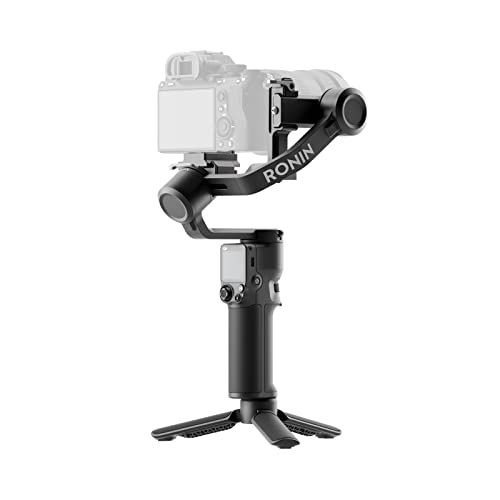
The RS 3 Mini weighs 795 g (1.75 lbs), delivering a compact, travel-friendly form factor that reduces fatigue during long shoots. It supports a load of up to 2 kg (4.4 lbs), enabling a broad range of cameras and lenses while maintaining strong, stable motors for smooth motion. Bluetooth shutter control allows quick photo capture and video recording with easy re-connection after initial pairing, simplifying one-handed operation for dynamic scenes.
DJI RS 4

The RS 4 introduces a 2nd-Gen Native Vertical Shooting feature, enabling quick transitions from horizontal to vertical without extra accessories. A Joystick Mode Switch lets you move between PF, PTF, and FPV modes for different shooting needs, including 3D Roll 360 and Custom modes. Teflon-coated axis arms reduce friction, providing smoother balancing and more consistent performance across the three axes.
DJI RS 4 Pro

The RS 4 Pro expands payload to about 4.5 kg (10 lbs) and increases motor torque by around 20%, supporting heavier mirrorless and cinema cameras with their lenses. It keeps the easy vertical switch, so content creators can rapidly adapt to vertical social content. A new remote focus and zoom motor control feature allows precise lens adjustments from the gimbal, streamlining cinematic workflows.
DJI RS 4 Combo

The RS 4 Combo features 2nd-Gen Native Vertical Shooting and a flexible joystick mode switch for Zoom/Gimbal control. The design emphasizes quick, efficient switching to vertical framing for social clips, while maintaining smooth, precise axis balancing thanks to improved materials and the Teflon-coated axis arms. This model is ideal for creators who want a complete kit with strong vertical shooting capabilities.
DJI RS 4 Pro Combo
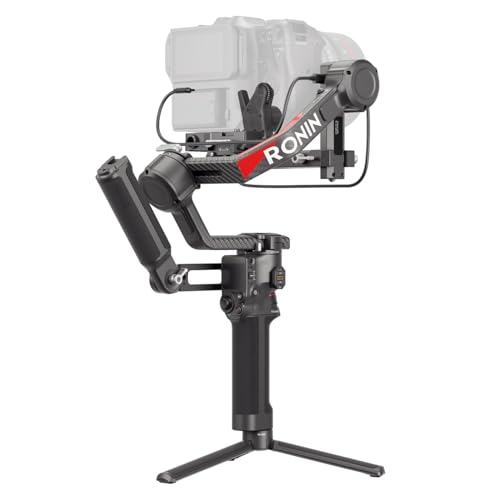
The RS 4 Pro Combo pairs the Pro gimbal with a complete set for professionals, including 4.5 kg payload and 10 lbs class capability. It features 2nd-Gen Native Vertical Shooting and a 20% boost in motor torque. The combo adds enhanced control with remote dual focus and zoom motor control, enabling filmmakers to adjust optics and framing without touching the camera body, a valuable workflow enhancement for dynamic shoots.
FeiyuTech SCORP 3 KIT

FeiyuTech SCORP 3 KIT offers a 3-axis gimbal with a maximum payload around 3.5 kg (7.72 lbs) and built-in AI tracking. A detachable control handle adds ergonomic flexibility, and a compact body with a quick-release plate supports diverse camera setups. The AI tracking module improves subject lock-on, with enhanced field of view and faster target acquisition, useful in dynamic shooting environments.
Buying Guide: Key Considerations For 3-Axis DSLR Gimbals
- Payload and camera compatibility: Ensure the gimbal can support your camera body and lens. If you plan to upgrade gear, choose a model with a higher payload than your current setup.
- Vertical shooting: If you create vertical content for social platforms, prioritize gimbals with native vertical shooting or easy vertical transitions without extra accessories.
- Motor torque and stabilization: Higher torque provides steadier shots with heavier rigs. Look for models with reinforced arms or carbon fiber components for improved stiffness and balance.
- Control interface: Joystick modes, focus/zoom control, and remote operation save time on complex shots. Consider whether you need Bluetooth shutter control or wired connections for your camera.
- Ease of use and weight: Lighter gimbals reduce fatigue, but ensure you still have enough rigidity and battery life for extended shoots.
- Accessories and ecosystem: Consider bundles that include remotes, extra grips, or carrying cases. A broader ecosystem can simplify setup and calibration.
- Maintenance and build quality: Look for smooth axis arms and materials with good wear resistance. A modular design can simplify servicing and upgrades.
- Price-to-performance: Compare motor performance, stabilization quality, and optional features against the price to determine the best value for your needs.
Across the models listed, DJI dominates with tailored vertical shooting modes and strong payload options, while FeiyuTech offers AI tracking and a modular approach for solo creators. When choosing, align the gimbal’s capabilities with your typical shooting scenarios—studio work, travel shoots, or on-the-go documentary filming—and your camera system’s weight and balance requirements.