Best 200Mm Prime Lenses for Sharp Telephoto Shots and Bold Bokeh
Choosing a 200mm prime lens opens up stunning telephoto possibilities for portraits, wildlife, and event photography. This guide highlights top options, including true 200mm primes and capable telephoto performers in the 200mm range, to help American photographers compare sharpness, speed, and control. Each selection includes critical features to consider, such as maximum aperture, autofocus performance, and coatings that minimize flare. Read on to discover lenses that balance image quality with practical use in studio, field, and travel settings.
| Product | Brand | Key Advantage | Image |
|---|---|---|---|
| Sony FE 70-200 mm f/2.8 GM OSS | Sony | Exceptional sharpness and background separation with advanced coatings |  |
| Laowa 200mm f/2 Auto Focus Telephoto | LAOWA | Bright f/2, fast AF, strong background blur | 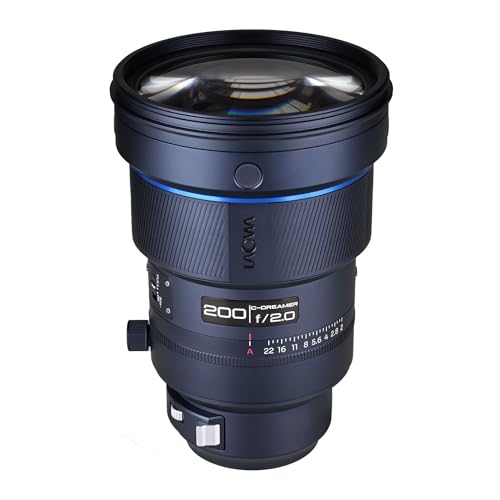 |
| Laowa 200mm f/2 AF FF Telephoto (Canon EF) | LAOWA | Full-frame telephoto with fast aperture and precise AF |  |
| Laowa 200mm f/2 AF FF Telephoto (Canon EF, Gray) | LAOWA | Fast f/2, edge-to-edge sharpness and minimal aberrations | 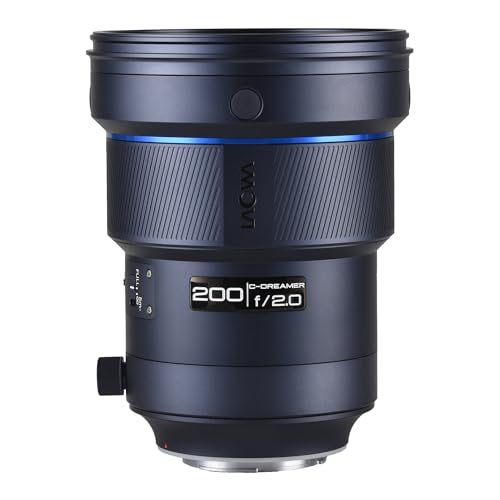 |
| Kase 200mm F5.6 MC Reflex | Kase | Manual focus, compact reflex design with metallic construction |  |
Note: The lenses listed span true 200mm primes and high-utility telephoto options in the 200mm range. Each product page provides mounting compatibility, autofocus behavior, and optical features that influence real-world results. This guide is designed to help you compare performance characteristics and choose a lens that fits your camera system and shooting style.
Sony FE 70-200mm GM: Precision Telephoto Zoom
The Sony FE 70-200mm f/2.8 GM OSS is a high-end zoom designed for full-frame Sony Alpha bodies. Its XA (extreme aspherical) element and three additional aspherical elements deliver outstanding sharpness and contrast across the entire zoom range. A circular 11-blade aperture contributes to smooth bokeh, making it a versatile choice for portraits and action where subject separation matters most. Sony’s Nano AR Coating helps minimize flare and ghosting, preserving detail in challenging lighting. While not a prime, this lens offers flexible framing from 70 to 200mm with fast autofocus and reliable stabilization for dynamic shooting scenarios.
Laowa 200mm f/2 Auto Focus Telephoto for Sony E
This Laowa 200mm f/2 Auto Focus Telephoto is built for full-frame Sony E-mount cameras. Its bright f/2 aperture enables strong subject isolation and smooth bokeh, even in lower light. The lens is engineered for fast, reliable autofocus with a defined focus range limiter, allowing shooters to tailor performance for portraits, wildlife, and event photography. The combination of a large aperture and precise AF makes it a compelling 200mm prime-style option for Sony shooters seeking cinematic separation and sharp subject detail at telephoto distances.
Laowa 200mm f/2 AF FF Telephoto Prime (Canon EF)
The Laowa 200mm f/2 AF FF for Canon EF is a robust full-frame telephoto prime with a fast f/2 aperture. It delivers dramatic subject isolation and a pleasing compression effect ideal for portraits and wildlife. The optical design minimizes aberrations for sharp edges and clean contrast from corner to corner. Accurate autofocus supports fast subject tracking, while the bright aperture supports creative low-light shooting and shallow depth of field, making it a strong choice for professional Canon shooters seeking a dedicated 200mm prime experience.
Canon RF70-200mm F4 L IS USM (Canon RF Mount)

While not a prime, Canon’s RF70-200mm F4 L IS USM offers a compact, lightweight option within the 200mm range for Canon mirrorless shooters. It features a constant f/4 aperture and Optical IS with up to five stops of shake correction. This lens targets portability and reliable performance across a useful telephoto reach, making it a practical choice for travelers who need a versatile telephoto zoom in one light package.
Kase 200mm F5.6 MC Reflex Portrait Lens
The Kase 200mm F5.6 MC Reflex is a compact manual-focus lens using a fixed aperture design. Its all-metal construction emphasizes durability, and the reflex design creates a distinctive bokeh pattern with a unique rendering of highlights. This option appeals to photographers who prefer manual focus control, enjoy a lightweight build, and want a budget-friendly way to explore 200mm telephoto aesthetics.
Buying Guide: Key Considerations For 200mm Telephoto Lenses
- Prime vs. zoom: True 200mm primes typically offer superior sharpness, faster apertures, and smaller, lighter bodies than variable 200mm zooms. However, zooms provide flexible framing without changing position, which can be advantageous in fast-paced environments.
- Aperture and light: A wide maximum aperture such as f/2 or f/2.8 yields better subject isolation and low-light performance, but often adds size and cost. For portraits and wildlife, the aperture choice drives depth-of-field control and background compression.
- Autofocus performance: Fast, reliable AF is crucial for action and wildlife. Look for lenses with advanced AF motors, focus limiters, and coatings that maintain contrast and clarity in challenging lighting.
- Coatings and flare control: Nanotechnology or special coatings reduce ghosting and lens flare, preserving contrast during backlit or high-contrast scenes. This is especially important for outdoor shooting.
- Camera compatibility: Verify mount compatibility (Sony E, Canon EF, Canon RF, etc.). Mirrorless mounts often benefit from more compact designs and improved AF behavior, while DSLR-focused optics may require adapters with cautious consideration of performance.
- Weight and balance: Telephoto primes can be heavy. Consider the lens’s weight, length, and how it balances with your camera body, as well as whether you’ll use a monopod, tripod, or handheld approach.
- In-field usage: For portraits, wildlife, or events, assess weather sealing, focus accuracy in its class, and how well the lens handles color and micro-contrast in real-world scenes.
In summary, the right 200mm lens depends on your camera system and your primary subjects. For photographers who prioritize fast, cinematic portraits with shallow depth of field, a 200mm f/2 style prime like the Laowa options can be compelling. For versatility in a travel or event setup, a robust telephoto zoom such as the Sony 70-200mm GM offers flexible framing with professional-level image quality. For Canon and other system users, the Canon EF variants and the Kase reflex lens provide alternate aesthetics or dedicated manual control. Consider test-firing if possible to compare sharpness, bokeh, and autofocus behavior across your typical subjects.